
Why Skin Loses Firmness After 30 & Solutions
Skincare, Healthy Aging, Skin Firmness
Why Skin Loses Firmness After 30 (And What Actually Helps)
Noticing that your cheeks aren’t quite as bouncy, or that your jawline looks a little softer than it used to? You are not imagining it. After 30, skin firmness naturally starts to decline—but that doesn’t mean you are powerless. Understanding what is happening beneath the surface is the first step to choosing skincare, lifestyle habits, and treatments that genuinely make a difference, instead of wasting money on over‑promises.
Why Skin Loses Firmness After 30: What Is Really Going On
Skin firmness is mostly about what is happening in the deeper layers of your skin, not just what you see on the surface. Think of your skin as a mattress: the outer fabric is your top layer, but the springs and padding underneath are what keep it plump and lifted. After 30, those “springs” start to weaken for several reasons working together over time.
1. Collagen production slows down
Collagen is the main structural protein in your skin—the scaffolding that keeps it firm and resilient. In your 20s, your body produces collagen at a steady pace and repairs damage efficiently. From your late 20s to early 30s, collagen production begins to decline by roughly 1% per year, and existing collagen fibers become more fragile and disorganized. Over time, this means less support from beneath, so skin looks less taut and more prone to fine lines and sagging, especially around the eyes, mouth, and jawline.
2. Elastin and “bounce” are reduced
If collagen is the scaffolding, elastin is the bungee cord. It helps your skin snap back when you smile, squint, or frown. Your body makes most of its elastin early in life, and after that, it is not replaced very easily. Sun exposure, pollution, and time break down these elastic fibers. After 30, you may notice that expression lines take longer to fade when you relax your face—that is your elastin declining. Less elastin means less springiness and a looser, less lifted look over time.
3. Hyaluronic acid levels drop, and skin dehydrates more easily
Hyaluronic acid is a naturally occurring molecule that acts like a sponge, holding water in your skin to keep it plump and smooth. As we age, we make less of it, and the skin barrier becomes slightly weaker. This means moisture evaporates more easily, leaving skin looking dull, deflated, and lined. When skin is well hydrated, it appears firmer and more elastic; when it is dehydrated, fine lines and creasing show up more clearly, and the face can look more tired than it feels.
4. Fat, muscle, and bone structure slowly change
Firmness is not only about the skin itself. Underneath the skin, the fat pads that once sat high in the cheeks gradually shift downward and become thinner. Facial muscles can lose tone, and even the bones of the face slowly remodel with age, leading to less support for the overlying skin. This combination contributes to a softer jawline, hollower under‑eyes, and less defined facial contours, even if your actual skin texture still looks relatively smooth.
5. Hormonal shifts (especially in your 30s and 40s)
Hormones play a major role in how your skin behaves. Estrogen, in particular, supports collagen production, hydration, and thickness of the skin. In your 30s, subtle hormonal fluctuations—due to pregnancy, postpartum changes, contraceptives, or simply the early stages of perimenopause—can show up as drier, more reactive, or less firm skin. Over time, declining estrogen is linked with thinner skin and more noticeable sagging, especially around the mouth and neck.
6. Cumulative damage from sun, pollution, and lifestyle
Many of the changes that suddenly become visible after 30 have actually been building quietly for years. Ultraviolet (UV) rays from the sun are the biggest external cause of collagen and elastin breakdown—a process called photoaging. Pollution, cigarette smoke, and even indoor blue light contribute to oxidative stress, which damages skin cells. Add in factors like poor sleep, high stress, frequent sugar intake, and alcohol, and you have a recipe for faster loss of firmness than genetics alone would cause.
📌 Key Takeaway: After 30, skin does not “suddenly collapse”—but natural slowdowns in collagen, elastin, and hydration combine with years of accumulated damage, making firmness loss more noticeable.
What Actually Helps: Daily Habits and Skincare That Support Firmness
While you cannot completely stop time, you can absolutely slow the visible signs of aging and improve how firm and lifted your skin looks and feels. The most effective strategies focus on protecting what you already have and gently stimulating your skin to rebuild itself. The key is consistency: small, smart steps every day matter more than occasional expensive treatments.
1. Daily sunscreen: the single most powerful firming “treatment”
If you only change one thing, make it this: wear a broad‑spectrum sunscreen of at least SPF 30 every single day, even when it is cloudy or you are mostly indoors. UV rays penetrate clouds and windows and are responsible for the majority of premature wrinkles, sagging, and uneven tone. By shielding your skin from UV damage, you are protecting your collagen and elastin from breaking down faster than they naturally would. Over time, people who use sunscreen daily tend to have firmer, smoother skin than those who do not, regardless of how many other products they use.
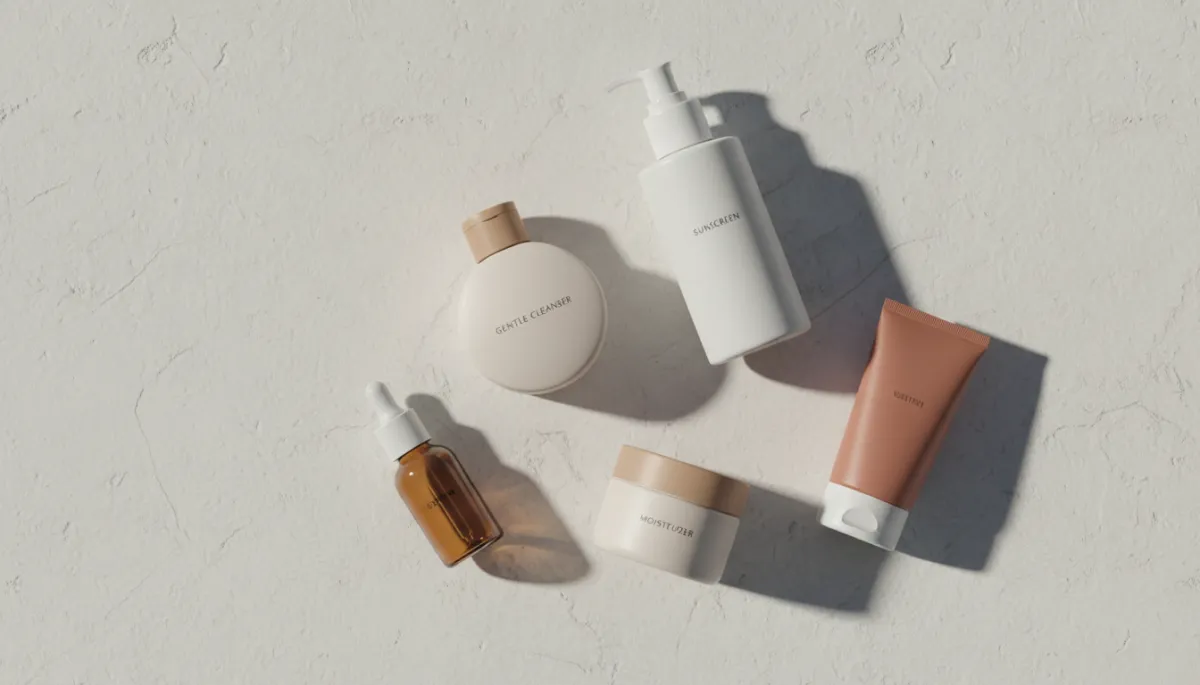
A simple, consistent routine with sunscreen protects collagen and supports lasting firmness.
2. Retinoids: proven collagen boosters for smoother, firmer skin
Retinoids (a family that includes retinol, retinaldehyde, adapalene, and prescription tretinoin) are some of the most researched ingredients for aging skin. They work by encouraging skin cells to renew more quickly and by stimulating new collagen production in the deeper layers. Over several months of consistent use, retinoids can help reduce fine lines, improve texture, and subtly firm the skin. Start low and slow: use a gentle over‑the‑counter retinol or retinal serum two to three nights a week, then gradually increase as your skin adjusts to minimize dryness or irritation.
💡 Pro Tip: If you are new to retinoids, buffer them with a moisturizer—apply moisturizer first, then a pea‑sized amount of retinoid—to reduce sensitivity while still gaining long‑term firming benefits.
3. Antioxidants (like vitamin C) to defend your collagen
Antioxidants neutralize unstable molecules called free radicals, which are generated by UV light, pollution, and stress. Free radicals damage collagen and elastin, speeding up loss of firmness. Using a vitamin C serum in the morning under your sunscreen can help protect against this damage and brighten the skin. Other helpful antioxidants include vitamin E, niacinamide, green tea, and resveratrol. Think of antioxidants as a shield that works alongside sunscreen to preserve your skin’s support system.
4. Hydration and barrier support for a plumper, bouncier look
Well‑hydrated skin looks firmer, even if you have not changed anything deeper down. Topical ingredients like hyaluronic acid, glycerin, and panthenol draw water into the skin, while ceramides, fatty acids, and cholesterol help lock it in by strengthening the skin barrier. A strong barrier keeps irritants out and moisture in, reducing inflammation that can quietly break down collagen over time. Aim for a routine that includes:
A gentle, non‑stripping cleanser that does not leave your skin feeling tight
A hydrating serum with humectants (like hyaluronic acid) applied to slightly damp skin
A moisturizer with barrier‑supporting ingredients (look for “ceramides” on the label)
Combined, these steps help your skin appear fuller and more elastic, making early sagging less noticeable and giving your other firming products a better foundation to work on.
5. Firming ingredients that support collagen and elasticity
Beyond retinoids and antioxidants, certain ingredients can complement your routine by supporting firmness in more targeted ways. Look for:
Peptides: Short chains of amino acids that can signal the skin to produce more collagen and elastin. They are often found in serums and eye creams and work best with long‑term use.
Niacinamide (vitamin B3): Helps improve elasticity, strengthen the barrier, and even out tone. It plays well with most other ingredients and is suitable for sensitive skin.
Growth‑factor or “signal” serums: These advanced formulas aim to mimic the skin’s own repair signals to encourage renewal and firmness. They are often more expensive, so consider them a “nice to have” after you have the basics in place.
No single cream will “lift” your face overnight, but a combination of these supportive ingredients, used consistently, can visibly improve skin bounce and resilience over the months and years to come.
6. Lifestyle shifts that quietly protect your skin’s structure
What you do outside the bathroom matters just as much as the serums on your shelf. Your skin is an organ, and it reflects what is happening in the rest of your body. To support firmness from within:
Prioritize sleep: During deep sleep, your body repairs tissues and produces growth hormone, which supports collagen renewal. Aim for 7–9 hours most nights, and try to keep a regular schedule.
Manage stress: Chronic stress raises cortisol, a hormone that can break down collagen and increase inflammation. Gentle movement, breathing exercises, or short daily “unplugged” breaks can help keep stress in check.
Supportive nutrition: A diet rich in colorful fruits and vegetables, healthy fats (like olive oil, nuts, and oily fish), and adequate protein provides the building blocks your skin needs to maintain structure. Excess sugar and heavily processed foods can contribute to a process called glycation, which makes collagen stiff and less elastic.
Avoid smoking and limit alcohol: Smoking severely damages collagen and blood vessels, leading to thinner, looser skin. Heavy alcohol intake dehydrates the skin and can worsen inflammation, both of which undermine firmness.
7. Professional treatments that go beyond skincare (optional, not essential)
For those who want more dramatic or faster changes, in‑clinic treatments can complement a solid home routine. Always consult a qualified dermatologist or licensed practitioner to discuss what is safe and appropriate for your skin, expectations, and budget. Common options include:
Microneedling: Uses tiny needles to create micro‑injuries that stimulate collagen production, improving texture and mild laxity over a series of sessions.
Radiofrequency or ultrasound tightening: Devices that deliver energy into deeper layers of the skin to contract existing collagen and encourage new collagen formation, gradually tightening and lifting.
Volumising fillers: Volumising fillers can replace lost volume in cheeks and around the mouth, while some biostimulatory injectables encourage your body to make more collagen over time. These do not “fix” skin quality but can restore structure and support.
⚠️ Warning: In‑office treatments are not one‑size‑fits‑all. Always ask about potential side effects, downtime, and realistic results, and avoid unregulated providers or “bargain” procedures.
Building a Realistic Firming Routine in Your 30s and Beyond
The goal is not to chase a perfectly smooth, frozen face, but to help your skin age in a way that feels healthy, supported, and true to you. Here is how you can put everything together into a simple, sustainable routine that supports firmness without overwhelming your skin or your schedule.
Morning: protect and hydrate
Step 1: Gentle cleanse (or just rinse). If your skin is dry, you may only need a splash of lukewarm water in the morning. Oily or combination skin can benefit from a light gel or cream cleanser to remove overnight buildup without stripping.
Step 2: Antioxidant serum. Apply a vitamin C or multi‑antioxidant serum to dry skin to help defend against daily environmental stressors that weaken collagen and elastin.
Step 3: Lightweight moisturizer. Choose a formula that suits your skin type—gel‑cream for oilier skin, richer cream for dry skin—with hydrating and barrier‑supporting ingredients.
Step 4: Sunscreen. Finish with a broad‑spectrum SPF 30 or higher. Apply generously to the face, neck, and any other exposed areas, and reapply if you are outdoors for extended periods.
Evening: repair and stimulate
Step 1: Thorough but gentle cleanse. Remove sunscreen, makeup, and pollution with a mild cleanser. If you wear heavy makeup, consider a cleansing balm or oil followed by a gentle second cleanse.
Step 2: Treatment step (2–4 nights per week). Apply your retinoid on dry skin, starting with a small amount. On nights you are not using a retinoid, you can use a peptide or niacinamide serum instead.
Step 3: Moisturizer. Seal everything in with a nourishing moisturizer. If your skin is very dry or sensitive, you might add a few drops of a non‑comedogenic oil on top for extra comfort.
💡 Pro Tip: Think of your routine in terms of “protect by day, repair by night.” This simple mindset keeps you focused on what truly supports firmness long term.
Embracing Your Skin After 30: Firmness, Confidence, and Realistic Expectations
Losing some firmness after 30 is completely normal. It does not mean you are doing anything wrong, and it does not mean you have to chase every new “miracle” product that appears on your feed. When you understand that collagen naturally declines, elastin is finite, and lifestyle factors matter, you can make grounded, confident choices about how you care for your skin.
Focus on what you can control: daily sun protection, gentle but consistent skincare, supportive nutrition, stress management, and enough sleep. Add in targeted ingredients like retinoids, antioxidants, peptides, and hydrating formulas, and you are already doing more for your skin’s firmness than most fancy jars could ever promise. If you choose to explore professional treatments, see them as a complement—not a replacement—for these foundations.
Most importantly, remember that your face tells a story: of laughter, concentration, surprise, and all the days you have lived. Supporting firmness is not about erasing that story; it is about helping your skin stay as healthy, strong, and comfortable as possible as you move through your 30s, 40s, 50s, and beyond. With informed choices and a little patience, firmer, more resilient skin is absolutely within reach—no overnight miracles required.