
Treat Pigmentation in Queensland Summer
Skin Health, Pigmentation, Queensland Summer
Can You Treat Pigmentation Over a Queensland Summer?
If you live in Queensland, you know summer is no joke. Intense UV, sticky humidity and long days outdoors can make pigmentation feel impossible to manage. But does that mean you have to wait until winter to treat dark spots, melasma or sun damage? Not necessarily. With realistic expectations, smart product choices and serious sun protection, many people can safely treat pigmentation even through a Queensland summer.
First Things First: What Causes Pigmentation to Flare in Summer?
Pigmentation is essentially your skin’s defence mechanism. When exposed to UV light, your pigment-producing cells (melanocytes) make more melanin to shield deeper layers of skin. In Queensland, where UV levels are high for most of the year and extreme in summer, this protective response is amplified. That’s why freckles, sun spots and patches of melasma often look darker or more widespread when the weather heats up.
Heat and visible light also play a role. Even if you are diligent with sunscreen, time spent in hot, bright conditions can still trigger inflammation and pigment activity. For many Queenslanders, this means pigmentation needs year-round management, not just a winter “quick fix.”
So, Can You Actually Treat Pigmentation in Summer?
The short answer is yes, you can—but with conditions. Summer in Queensland is not the ideal time for every treatment, especially those that heavily disrupt or peel the skin. However, there is a lot you can safely do to fade and control pigmentation if you are committed to daily protection and a gentle, consistent routine.
💡 Key idea for Queenslanders: Think of summer as a time to stabilise and maintain pigmentation, while reserving more aggressive treatments for cooler, lower-UV months where possible.
Treatments That Are Usually Summer-Friendly
For individuals and everyday consumers, the safest approach in a Queensland summer is to focus on topical skincare and non-aggressive clinic treatments that support the skin barrier rather than strip it.
Daily broad-spectrum SPF 50+: This is non-negotiable. Choose a formula you will actually wear—lightweight lotions, gel-creams or tinted mineral formulas are popular in humid weather. Reapply every two hours if you are outdoors or sweating.
Antioxidant serums (like vitamin C): These help neutralise free radicals from UV and pollution, support collagen and can gently brighten uneven tone. They are usually well-tolerated in summer when paired with sunscreen.
Gentle pigment inhibitors: Ingredients such as niacinamide, azelaic acid, licorice extract and some professional pigment-correcting serums can help slow melanin production without making skin overly sun-sensitive when used correctly.
Light, non-ablative treatments: Depending on your skin and lifestyle, some clinics may recommend low-level treatments like gentle chemical peels, LED therapy or certain non-ablative lasers, provided you can strictly avoid sun exposure before and after.
PICO laser for targeted pigmentation: Advanced PICO laser treatments can precisely target pigment while minimising heat in the surrounding tissue, making them a useful option for some people even in warmer months—so long as they are performed by an experienced clinician and paired with strict SPF and sun avoidance during healing.
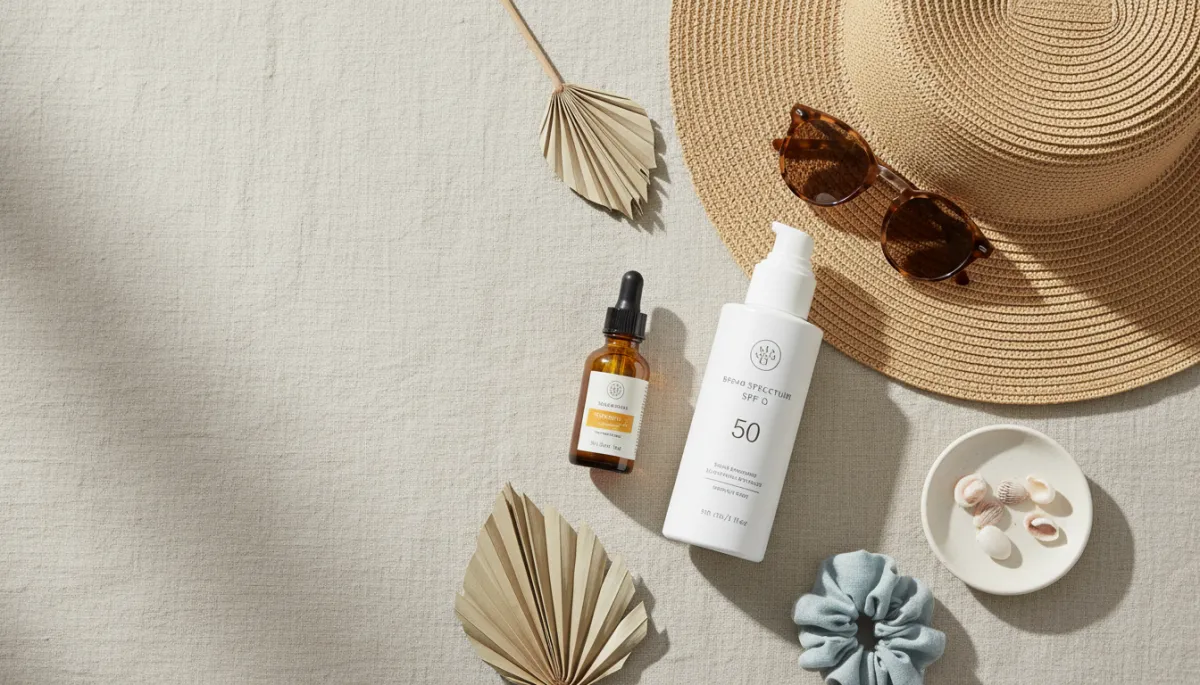
Consistent SPF and targeted serums can noticeably soften pigmentation over summer.
Treatments to Approach Cautiously in High UV Months
Not all pigmentation treatments are summer-friendly, especially in a climate as harsh as Queensland’s. Anything that causes significant peeling, crusting or prolonged redness can leave your skin more vulnerable to UV, increasing the risk of rebound pigmentation or even permanent damage if not managed perfectly.
Strong chemical peels: Deep or high-strength peels are often better timed for autumn or winter, when it is easier to avoid intense UV and heat during the healing phase.
Aggressive laser resurfacing: While some pigment lasers can be used year-round with care, stronger resurfacing treatments are usually reserved for cooler months, especially for people who work or play outdoors.
High-strength retinoids without guidance: Retinoids can be very effective for pigmentation but may increase sun sensitivity. In summer, it is wise to use them under professional advice, adjust frequency and prioritise barrier health and sun protection.
⚠️ Warning: DIY strong peels or unregulated lightening creams bought online can backfire badly in Queensland’s UV, sometimes leaving skin darker and more uneven than before.
Everyday Habits That Make a Big Difference
For individuals and consumers, your daily choices often matter more than any single treatment. Think of summer pigmentation care as a combination of protection, prevention and patience.
Clothing as your first “treatment”: Wide-brimmed hats, sunglasses, UPF clothing and seeking shade between 10am and 3pm can dramatically reduce pigment flares, especially on the face, chest and hands.
Consistent routine over quick fixes: Gentle cleansing, targeted serums, moisturiser suited to humidity and daily SPF will usually outperform sporadic, aggressive treatments done without proper aftercare.
Listening to your skin: If your face feels hot, tight, itchy or looks very red, dial back actives and focus on soothing, hydrating products until things settle. An irritated skin barrier often leads to more pigmentation.
When to Seek Professional Advice
Not all pigmentation is the same. Freckles, sun spots, post-acne marks and melasma respond differently to treatment and behave differently in Queensland’s climate. If your pigmentation is spreading, changing quickly, or affecting your confidence, it is worth seeing a qualified skin professional or doctor for a personalised plan that takes your lifestyle and sun exposure into account.
They can help you decide which treatments are safe for you during summer, how to time them around holidays or outdoor activities, and which home-care products will support—not sabotage—your results.
The Bottom Line: Yes, But Be Strategic
You can treat pigmentation over a Queensland summer, but the focus should be on control and protection rather than aggressive correction. For most people, that means:
Wearing SPF 50+ and sun-protective clothing every single day
Using antioxidant and pigment-targeting skincare consistently
Avoiding harsh DIY treatments that inflame or over-peel the skin
Working with a professional if you are considering stronger peels or lasers
With realistic expectations and the right support, Queensland’s summer does not have to mean surrendering to dark spots. Instead, you can use the season to build strong, protective habits and gently steer your skin toward a more even, radiant tone—ready to make the most of more intensive treatments when the cooler months roll around, if you choose.