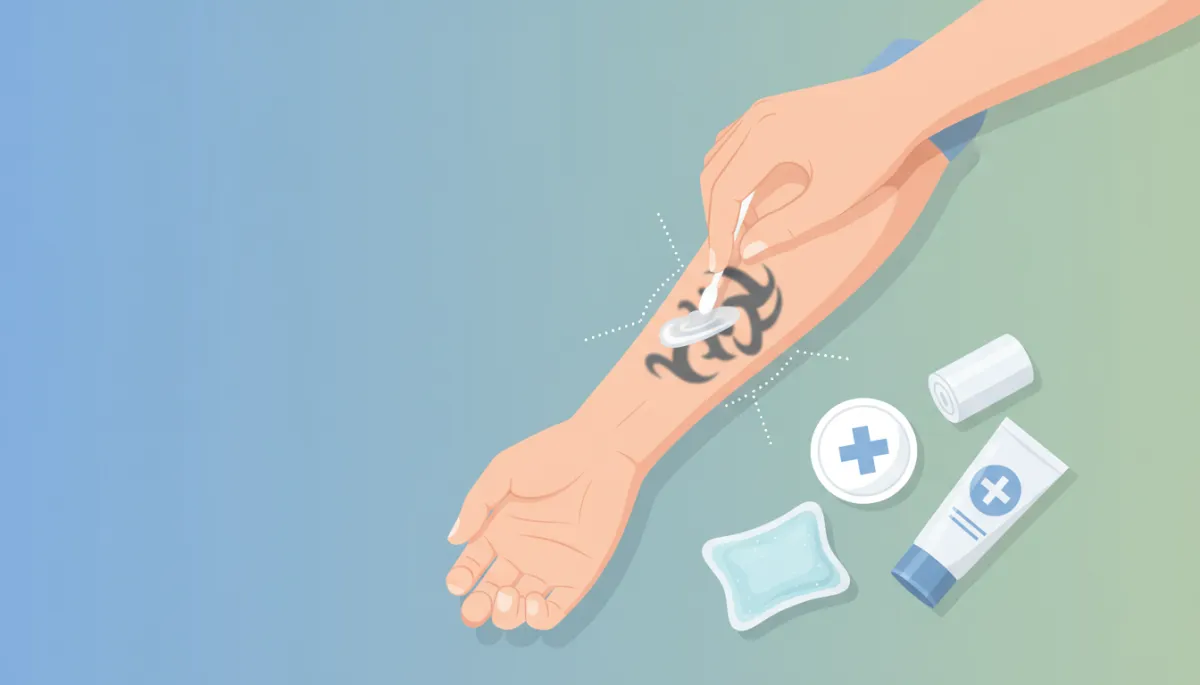
Tattoo Removal Aftercare: Protect Skin in 48 Hours
Tattoo Removal, Aftercare, Skin Health
Tattoo Removal Aftercare: How to Protect Your Skin in the First 48 Hours
The first 48 hours after a tattoo removal session are crucial. What you do during this short window can dramatically affect how well your skin heals, how comfortable you feel, and how effective your overall removal results will be. This guide walks you through exactly what to expect and how to care for your skin at home—step by step, in plain language.
Why the First 48 Hours Are So Important
Laser tattoo removal works by breaking ink particles into tiny fragments so your body can gradually clear them away. While the laser doesn’t usually break the skin in the same way a cut would, it does create a controlled injury in the upper layers. In the first 48 hours, your skin is more vulnerable to:
Infection from bacteria on your hands, clothing, or surroundings
Excessive irritation from rubbing, tight clothing, or harsh products
Unnecessary inflammation, which can slow healing and affect pigment changes
Good aftercare doesn’t have to be complicated or expensive, but it does need to be consistent. Think of it as protecting a very delicate sunburn: gentle, clean, and hands-off is the goal.
Immediately After Your Session: The First 1–2 Hours
Before you even leave the clinic, your provider will usually cool the area and apply a light dressing or ointment. This first layer of care is about calming the skin and forming a barrier against germs. Once you’re home, follow these basics unless your provider gives different instructions:
Keep the dressing on as directed. This is often for the first few hours. Avoid peeling it back just to “check” the area—every time you touch it, you introduce bacteria.
Use cool, not icy, temperature for comfort. If your provider says it’s okay, you can gently rest a cool pack wrapped in a clean cloth on top of the dressing for 10–15 minutes at a time to reduce heat and swelling.
Skip the gym and hot showers. Heat, sweat, and friction can make the area more irritated and raise infection risk in these early hours.
💡 Pro Tip: Plan your appointment on a day when you can go home afterward and rest. Rushing back to work, the gym, or social events makes it harder to protect the area properly.
Cleaning the Area: What to Do (and What to Avoid)
Once it’s time to remove the initial dressing—often later the same day or the following morning—you’ll need to clean the treated skin gently. This is one of the most important steps in your first 48 hours of aftercare.
How to Clean the Area Safely
Wash your hands first. Use soap and water, then dry with a clean towel before touching the treated skin.
Use lukewarm water and mild, fragrance-free soap. Avoid scrubs, exfoliants, or anything labeled “deep cleansing.” Your goal is to gently rinse away ointment, sweat, or debris—not to scrub the area.
Pat, don’t rub, the skin dry. Use a clean, soft towel or disposable paper towel and lightly press the area until it’s dry. Rubbing can break fragile surface layers and increase irritation.
Products to Avoid in the First 48 Hours
Alcohol-based toners or astringents
Perfumed body washes, bath oils, or bubble baths
Heavy, pore-clogging creams or makeup directly over the treated area
If you’re not sure whether a product is safe, a simple rule is this: if it stings, burns, or has a strong fragrance, it’s probably not right for freshly treated skin.
Ointments, Dressings, and Keeping the Area Protected
After cleaning, your provider may recommend a thin layer of a specific ointment—often something simple like a petroleum-based product or a gentle healing gel. The key is to follow their exact recommendation rather than experimenting with whatever you have at home.
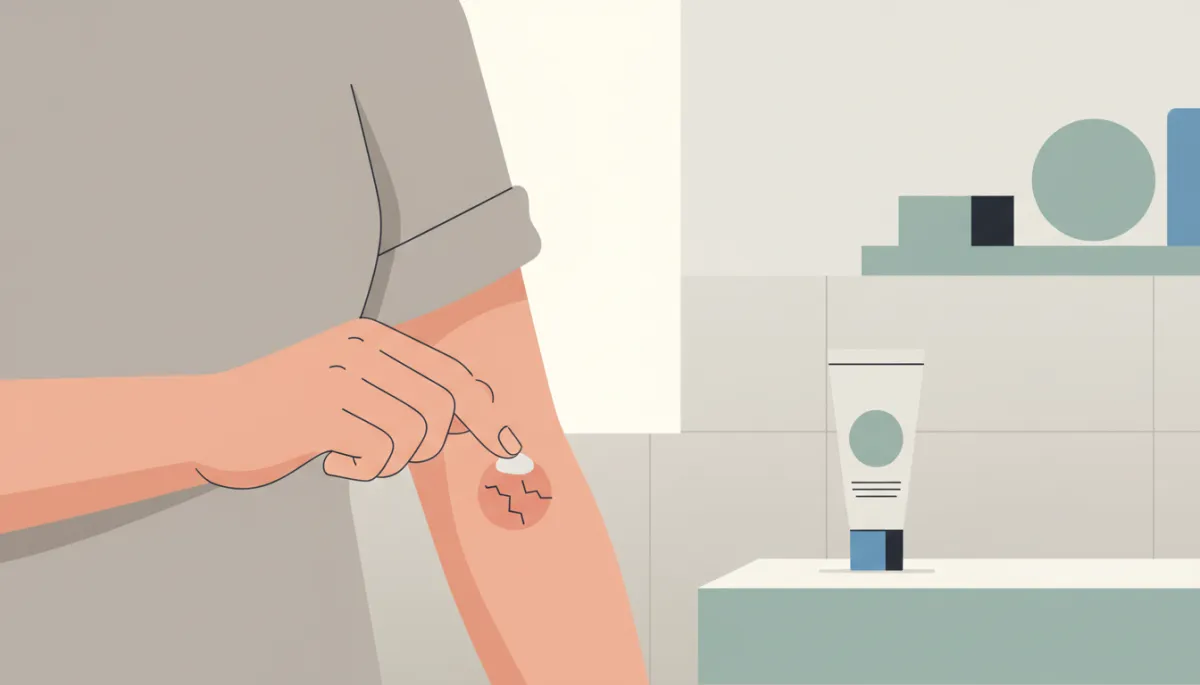
A thin, clean layer of ointment helps protect the skin without suffocating it.
Less Is More with Ointment
It’s tempting to slather on a thick layer, thinking “more protection is better.” In reality, a heavy coating can trap heat and moisture, making the skin soggy and more prone to irritation. Aim for a very thin, even layer that gives a light sheen but doesn’t look wet or sticky.
Should You Keep It Covered?
In the first 24–48 hours, many clinics recommend keeping the area lightly covered if it’s likely to rub against clothing or be exposed to dirt, sweat, or pet hair. A breathable, non-stick dressing or loose, clean cotton clothing is usually best. Avoid:
Tight leggings, bras, or waistbands directly over the treated area
Synthetic fabrics that trap heat and sweat
📌 Key Takeaway: Your skin needs protection, but it also needs air. Light, breathable coverage is better than heavy wraps or multiple layers of bandages.
Normal Reactions vs. Warning Signs in the First Two Days
It’s normal to feel a little anxious about how the area looks after tattoo removal, especially if it’s your first session. Knowing what’s expected versus what’s concerning can help you stay calm and act quickly if needed.
Common, Usually Normal Reactions
Redness and warmth around the treated tattoo, similar to a sunburn
Mild swelling, especially on areas like ankles, wrists, or hands
Temporary whitening or “frosting” immediately after treatment that fades within hours
Light blistering or small scabs, depending on the laser type and your skin
Warning Signs to Call Your Provider About
Increasing redness that spreads far beyond the tattoo area after 24–48 hours
Pus, foul odor, or yellow-green discharge from the site
Severe pain that gets worse instead of better, or pain that keeps you from sleeping
Fever, chills, or feeling generally unwell
These symptoms can be signs of infection or a strong reaction that needs medical attention. When in doubt, contact your clinic or a healthcare professional rather than waiting to see if it improves on its own.
Everyday Habits That Help Healing in the First 48 Hours
Beyond cleaning and dressing the area, a few simple lifestyle choices can make your first two days more comfortable and support better long-term results.
Stay hydrated. Drinking water helps your body clear ink particles through your lymphatic system, which is a big part of why removal works at all.
Avoid smoking and heavy drinking. Both can slow healing and reduce circulation to the skin, which may affect how quickly your body processes the disrupted ink.
Skip intense workouts. High-impact exercise can cause friction, sweating, and swelling around the treated area. Opt for gentle movement, like walking, instead.
Protect from the sun. Even in the first 48 hours, UV exposure can worsen redness and increase the risk of long-term pigment changes. Keep the area covered with clothing rather than sunscreen at this early stage, unless your provider says otherwise.
💡 Pro Tip: Lay out loose, comfortable clothing and clean bedding before your appointment. This makes it easier to avoid friction and keep the area clean without thinking about it when you’re tired afterward.
What to Expect After the First 48 Hours
Once you’re past the first two days, the most intense phase of healing is usually over. Redness and swelling should begin to settle, and any blistering or scabbing will start to dry out. At this point, your provider may adjust your aftercare instructions, often allowing:
Short, lukewarm showers without direct high-pressure water on the area
A switch from ointment to a lighter, fragrance-free moisturizer as scabbing resolves
Remember that tattoo removal is a process, not a single event. The care you give your skin after each session—including those first 48 hours—adds up over time and can influence how evenly the ink fades and how smooth your skin looks when you’re finally done.
Final Thoughts: Setting Yourself Up for the Best Results
Choosing tattoo removal is a personal decision, and it often comes with a mix of relief, nerves, and excitement about a fresh start. While your provider’s skill and equipment matter, your own role in aftercare—especially in the first 48 hours—shouldn’t be underestimated.
By keeping the area clean, protected, and free from unnecessary irritation, you’re not just preventing problems like infection. You’re actively helping your body do the work of clearing ink and rebuilding healthy skin. Follow the instructions you’re given, listen to your body, and don’t hesitate to reach out to your clinic with questions. A little attention now can make a big difference in how confidently you enjoy your results later.