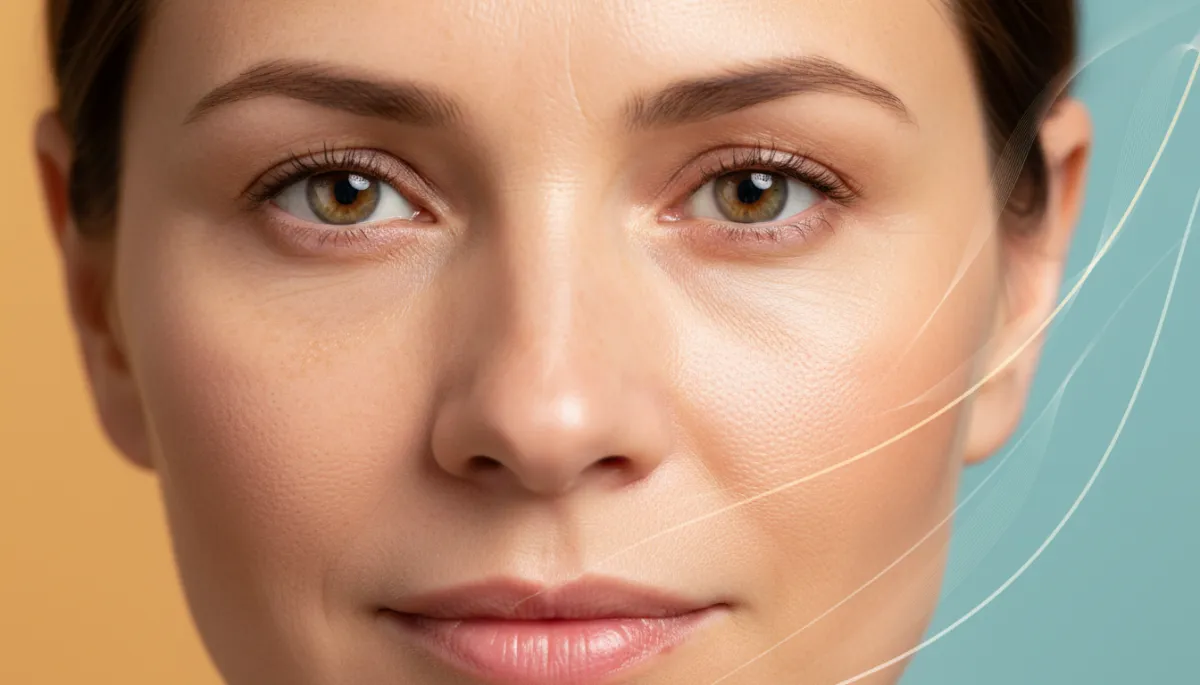
Effective Sun Damage Treatments for Your Face
Skincare, Sun Damage, Treatment Options
Sun Damage on Your Face: Comparing Treatment Options That Really Work
Noticed new dark spots, fine lines, or rough patches on your face that weren’t there a few years ago? You’re not alone. Sun damage builds up quietly over time, and many people only start to see the effects in their late 20s, 30s, and beyond. The good news: there are more treatment options than ever, at a range of price points and intensities. This guide walks you through what sun damage really is, and compares the most common treatments so you can choose what fits your skin, lifestyle, and budget.
What Does Sun Damage on the Face Actually Look Like?
Sun damage isn’t just about a bad sunburn on holiday. It’s the cumulative effect of UV exposure over years and decades. Even quick walks to the car, sitting by a window, or cloudy-day outings all add up. On the face, this long-term exposure can show up as:
Brown spots and freckles (often called sun spots, age spots, or liver spots) that appear on the cheeks, forehead, and upper lip
Uneven skin tone with patches that look darker or blotchy, especially on the forehead and around the eyes
Fine lines and wrinkles that appear earlier or look deeper than you’d expect for your age, particularly around the eyes and mouth (“crow’s feet” and smile lines)
Rough, dry or leathery texture where the skin feels less smooth and more thickened or bumpy to the touch
Broken capillaries and redness, especially on the nose, cheeks, and chin, giving a flushed or blotchy appearance
Dermatologists call this photoaging, and it can make skin look older than it is. While some changes are deep in the skin and can’t be fully erased, many visible signs of sun damage can be softened, faded, or significantly improved with the right combination of protection and treatment.
Step One for Everyone: Daily Sun Protection (Non‑Negotiable)
Before comparing treatment options, there’s one essential rule: no treatment will work well if you’re still getting unprotected sun exposure. Think of sunscreen as locking in your progress. Without it, new damage will keep appearing and existing spots can darken again, even after expensive procedures.
Choose a broad-spectrum SPF 30 or higher for daily use, SPF 50 if you’re outdoors for longer periods
Apply every morning, even if it’s cloudy or you work indoors near windows
Use about half a teaspoon for face and neck and reapply every two hours if you’re outside, sweating, or swimming
💡 Pro Tip: If you dislike the feel of traditional sunscreen, try lightweight gel formulas or tinted mineral options that double as makeup. You’re far more likely to use something every day if you actually like how it looks and feels.
At‑Home Skincare Treatments for Sun Damage
For many individuals, the first step is upgrading your skincare routine. At‑home products won’t transform your skin overnight, but they can gradually fade dark spots, smooth texture, and boost radiance without the cost or downtime of in‑clinic procedures. Here’s how the most common options compare.
1. Vitamin C Serums
Vitamin C is a powerful antioxidant that helps brighten the skin and reduce the look of dark spots caused by sun exposure. It works by interfering with the pigment (melanin) production process and protecting against free radical damage from UV light and pollution.
Best for: Mild discoloration, dullness, early signs of sun damage, all skin types (including sensitive, with a gentle formula)
Timeframe: Brighter tone in 4–6 weeks, dark spots may fade over 2–3 months with consistent use
Cost: Moderate; quality serums range from mid‑drugstore to premium prices
2. Retinoids (Retinol and Prescription Retinoids)
Retinoids are vitamin A derivatives that speed up cell turnover and stimulate collagen. They are among the most researched ingredients for fine lines, uneven texture, and pigmentation from sun exposure. Over‑the‑counter retinol is gentler, while prescription options like tretinoin are stronger and more targeted.
Best for: Fine lines, rough texture, mild to moderate sun spots, early sagging, most skin types (avoid in pregnancy and check with your doctor if you have very sensitive skin or conditions like rosacea)
Timeframe: Texture and glow often improve in 6–12 weeks; deeper changes like wrinkles and spots can take 3–6 months or more
Cost: Widely variable; drugstore retinols are affordable, prescription creams may be covered partially by insurance in some regions, or paid out of pocket
⚠️ Warning: Retinoids can make skin more sun‑sensitive. Always pair them with diligent sunscreen use and introduce them slowly (e.g., twice a week) to minimize irritation.
3. Chemical Exfoliants (AHAs and BHAs)
Alpha‑hydroxy acids (like glycolic and lactic acid) and beta‑hydroxy acids (like salicylic acid) gently dissolve the bonds between dead skin cells. Over time, they help reveal fresher, more even‑toned skin and can soften the look of mild sun damage.
Best for: Dullness, mild uneven tone, clogged pores, rough patches; oily and combination skin often tolerate BHAs well, while drier skin may prefer lactic acid
Timeframe: Smoother feel within days to weeks; more even‑looking tone in 1–3 months with regular use
Cost: Generally affordable, widely available at drugstores and online
4. Targeted Dark Spot Treatments (Niacinamide, Azelaic Acid, and More)
Ingredients like niacinamide, azelaic acid, licorice extract, and tranexamic acid are often found in serums or spot treatments aimed specifically at discoloration. They tend to be gentler than some prescription lightening creams and are good options for long‑term use, especially on sensitive skin or deeper skin tones that are prone to irritation or rebound pigmentation.
Best for: Persistent sun spots, post‑acne marks that have darkened in the sun, sensitive or deeper skin tones seeking gradual brightening
Timeframe: Subtle improvements in 4–8 weeks; more noticeable fading in 3–4 months when used consistently with SPF
Cost: Usually mid‑range; often more budget‑friendly than in‑office treatments
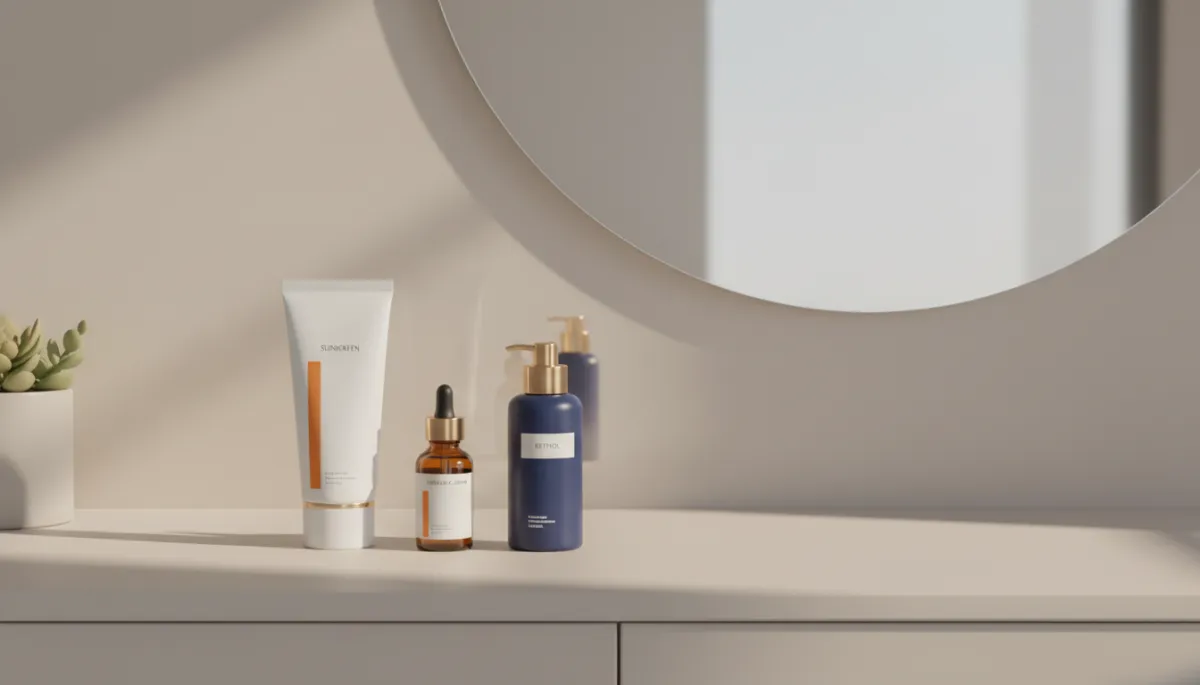
A simple routine with proven ingredients can visibly soften years of sun damage.
In‑Clinic Treatments: Faster, Stronger Options for Visible Results
If you’re dealing with more advanced sun damage—stubborn brown patches, pronounced lines, or a “weathered” look—professional treatments can offer quicker and more dramatic results. These options are usually performed by dermatologists or licensed skin professionals and often work best when combined with a solid at‑home routine.
5. Chemical Peels
Chemical peels use higher‑strength acids to remove the outer layers of skin in a controlled way. This encourages new, smoother skin to grow and can significantly improve sun spots, uneven tone, fine lines, and rough texture. Peels range from very light “lunchtime” peels with little downtime to deeper peels that require several days of recovery.
Best for: Moderate sun spots, fine lines, rough or leathery texture, overall dullness; lighter peels can be tailored for many skin tones, but deeper peels may not be suitable for very dark skin without specialist oversight due to pigmentation risks
Timeframe: Light peels show results in a few days once mild flaking subsides; deeper peels may take 1–2 weeks to heal, with ongoing improvement over several weeks to months
Cost: Varies widely by depth and provider; typically from the cost of a premium facial up to several hundred per session
6. Laser and Light‑Based Treatments (IPL, Fraxel, PICO Laser, and Others)
Laser and light treatments target pigment, redness, and deeper structural changes in the skin. Intense Pulsed Light (IPL) is commonly used for brown spots and redness, while fractional lasers like Fraxel can address texture, wrinkles, and more pronounced damage by creating tiny controlled injuries that stimulate new collagen.
PICO laser is a newer category of devices that deliver ultra‑short bursts of energy (picoseconds) to break up pigment and stimulate collagen with less heat than many traditional lasers. This can mean more precise targeting of brown spots, reduced risk of pigment changes, and shorter downtime for many people, especially when used by an experienced practitioner.
Best for: Noticeable sun spots, broken capillaries, mottled redness, fine to moderate wrinkles, and overall “photoaged” appearance; some lasers are better suited to lighter skin tones, so darker complexions should seek practitioners experienced with devices designed for their skin type to reduce risk of scarring or hyperpigmentation. PICO laser in particular is often favored for stubborn pigmentation and mixed‑tone sun damage, and may be a safer choice for a wider range of skin tones when parameters are customized correctly.
Timeframe: Often a series of 2–4 sessions spaced weeks apart; brown spots may darken and then flake off within days, with progressive improvements in tone and texture over several months. PICO laser sessions are usually quick, and many people describe mild to moderate downtime compared with some traditional resurfacing lasers.
Cost: Typically one of the more expensive options, ranging from several hundred to over a thousand per session depending on technology and location; PICO laser devices are often at the higher end of this range because of the advanced technology.
📌 Key Insight: If your main goal is to fade sun spots and uneven pigmentation with as little downtime as possible, many dermatologists now lean toward PICO laser over older laser options. For deeper wrinkles or significant texture changes, however, a fractional laser like Fraxel or a combination plan may still be the better choice.
7. Microneedling (With or Without Radiofrequency)
Microneedling involves creating tiny, controlled punctures in the skin to trigger a healing response and collagen production. When combined with radiofrequency energy, it can further tighten and firm the skin. While it’s often discussed for acne scars, it can also help with fine lines, mild sun‑induced laxity, and overall texture.
Best for: Fine lines, crepiness around the eyes, early sagging, enlarged pores, and uneven texture; suitable for many skin tones when performed by a trained professional using appropriate settings
Timeframe: Often recommended as a series of 3–6 treatments; subtle improvements can appear after the first session, with more noticeable changes building over months as collagen remodels
Cost: Typically mid‑to‑high range per session; radio frequency versions are usually more expensive than traditional microneedling
8. Prescription Topicals for Stubborn Pigmentation
For more stubborn brown patches or melasma (a type of hormonally influenced pigmentation often worsened by the sun), dermatologists may prescribe stronger lightening creams, sometimes in combination with retinoids and mild steroids. These formulations can be very effective but require careful supervision to avoid side effects like irritation or rebound darkening if misused.
Best for: Stubborn sun spots, melasma, and pigment that hasn’t responded to over‑the‑counter products alone; often used on lighter to medium skin tones, with extra caution on deeper tones
Timeframe: Noticeable fading often in 6–12 weeks, but maintenance and strict sun protection are crucial to prevent recurrence
Cost: Prescription costs vary by country and insurance; sometimes comparable to or slightly higher than premium skincare
📌 Key Takeaway: In‑clinic options can deliver faster, more dramatic changes, but they also come with higher costs and potential downtime. Always ask for a clear treatment plan, expected results, and aftercare instructions before committing.
Comparing Treatment Options: Which Is Right for You?
With so many choices, it helps to think in terms of your goals, budget, and tolerance for downtime. Here’s a simplified way to compare options as an individual consumer, not a skincare professional.
If Your Main Concern Is Mild Discoloration and Dullness
You may not need aggressive treatments. A solid daily routine can go a long way:
Morning: Vitamin C serum + sunscreen
Evening: Gentle chemical exfoliant a few nights a week + moisturizer
Over time, this combination can noticeably brighten your complexion and reduce the contrast of small sun spots without major expense or downtime.
If You’re Seeing Fine Lines and Rough Texture
Consider adding a retinoid to your routine, either an over‑the‑counter retinol or a prescription version recommended by a dermatologist. Combine it with:
Daily SPF 30+ (essential to protect newly revealed skin)
A hydrating moisturizer to counter dryness or flaking
For a boost, a series of light chemical peels or microneedling sessions can speed up results and further smooth the skin’s surface.
If You Want the Most Dramatic Change in the Shortest Time
Laser or IPL treatments, sometimes combined with peels and prescription topicals, are generally the fastest way to see a major difference in sun damage on the face.
PICO laser is often the option to lean toward if your priority is fading brown spots and uneven tone with minimal downtime. Its ultra‑short pulses can shatter pigment more efficiently and with less heat, which may translate to a smoother recovery and a lower risk of unwanted pigment changes for many patients compared with some traditional lasers.
You’re comfortable investing more financially in your skin
You can accommodate some redness, flaking, or social downtime after treatments
You’re committed to strict sun protection afterward to maintain results and avoid complications
💡 Pro Tip: When you consult with a dermatologist, ask specifically whether PICO laser, IPL, or a fractional laser is best for your pattern of sun damage. A good provider will explain why they recommend one device over another for your skin tone, lifestyle, and goals.
Safety, Skin Tone, and When to See a Professional
Not all treatments suit every skin type or tone. Deeper skin tones can be more prone to post‑inflammatory hyperpigmentation—dark marks that appear after irritation or injury—so it’s especially important to avoid harsh DIY peels or untested lightening products bought from unknown sources online.
If you have very sensitive skin, rosacea, eczema, or darker skin, consult a dermatologist before starting strong actives or in‑clinic treatments. They can tailor a plan that respects your skin’s unique needs and reduces risk.
If you notice new or changing moles, rough scaly patches that don’t heal, or spots that itch, bleed, or grow, seek medical evaluation promptly. These can be signs of precancerous changes or skin cancer, which require medical treatment rather than cosmetic care.
Building a Realistic Plan: Progress, Not Perfection
Sun damage on your face didn’t appear overnight, and it won’t disappear overnight either. But that doesn’t mean you’re powerless. By combining consistent protection, smart at‑home skincare, and—if you choose—targeted professional treatments, you can significantly improve how your skin looks and feels at any age.
A simple way to start:
Commit to daily sunscreen. This is the foundation that makes every other step worthwhile.
Add one brightening or renewing product at a time (like vitamin C, a gentle exfoliant, or retinol) and give it at least a few weeks before judging results.
Track your progress with monthly photos in the same lighting. Sun damage often fades gradually, and it’s easy to overlook positive changes when you see your face every day.
If, after several months of consistent care, you still feel frustrated with your results, that’s a good time to explore professional options. A consultation doesn’t lock you into any treatment; it simply gives you more information about what’s possible for your specific skin and budget.
💡 Pro Tip: When meeting a dermatologist or skin specialist, bring a list of the products you already use, photos of your skin in different lighting, and a clear idea of your budget. This helps them create a realistic, personalized plan instead of a one‑size‑fits‑all approach.
The Bottom Line: You Have More Control Than You Think
Sun damage can feel discouraging, especially when it seems to highlight every year you’ve spent outdoors. But it’s also a powerful reminder that your daily choices matter. By protecting your skin now and choosing treatments that align with your needs, you can soften past damage and prevent much of the future aging that UV exposure can cause.
Whether you start with a simple vitamin C serum and sunscreen or decide to invest in laser sessions, the most important step is the first one: deciding that your skin health is worth your attention. From there, every small, consistent action adds up—just like those years of sunshine did, but this time, in your favor.