
Soften Crow's Feet: Skincare & Treatment Options
Skincare, Anti-Aging, Crow's Feet
What Can Help Soften Crow's Feet? Evidence-Based Skincare and Treatment Options
Crow’s feet—the fine lines that fan out from the outer corners of the eyes—are often among the first visible signs of aging. While they are completely natural and a testament to a life filled with expression, many people want to soften their appearance. The good news: there are evidence-based skincare ingredients and professional treatments that can help, as long as you have realistic expectations and a clear understanding of what each option can and cannot do.
Why Crow’s Feet Form in the First Place
Crow’s feet are caused by a combination of repeated muscle movement (smiling, squinting, laughing) and gradual changes in the skin. Over time, collagen and elastin break down, skin becomes thinner, and the area around the eyes—already delicate and often drier than the rest of the face—starts to crease more easily. Sun exposure, smoking, and genetics can all accelerate this process.
Understanding the cause matters, because it explains why some solutions focus on improving skin quality, while others target the muscles that create the lines. The most effective plans usually combine both approaches, tailored to your age, lifestyle, and comfort level with in-office procedures.
Evidence-Based Skincare Ingredients for Crow’s Feet
Not all “anti-wrinkle” eye creams are created equal. To see real changes in fine lines around the eyes, look for ingredients that have been studied and shown to impact collagen, hydration, or skin texture. Here are the key players and what you can realistically expect from each as a consumer.
1. Retinoids (Retinol, Retinaldehyde, Prescription Tretinoin)
Retinoids are among the most well-researched anti-aging ingredients. They work by encouraging skin cell turnover and stimulating collagen production over time. This can gradually soften fine lines, improve texture, and even out tone around the eyes. Over-the-counter retinol and retinaldehyde are generally gentler; prescription-strength tretinoin is more potent but can also be more irritating, especially on the thin eye area. These ingredients may not be suitable for everyone and should be used according to product directions and, where relevant, medical advice.
💡 What to expect: For many people, consistent use over 3–6 months may be associated with subtle softening of fine lines, with potential further improvement over a year. Temporary dryness, mild redness, or flaking are common at first, so it can be helpful to start slowly (for example, 1–2 nights per week) and use a hydrating eye cream on top. If irritation persists, stop use and seek personalised advice from a health professional.
2. Peptides
Peptides are short chains of amino acids that can act as cell-signaling molecules. Certain peptides in eye creams are formulated to support collagen or elastin, or to improve skin firmness. While the evidence is not as robust as it is for retinoids, several clinical studies have shown modest improvements in fine lines and overall skin smoothness when peptides are used consistently.
Peptide-based eye creams are often well tolerated and can be a good choice for people with sensitive skin or those who cannot use retinoids regularly. They pair well with hydrating ingredients and antioxidants in a multi-ingredient formula.
💡 What to expect: With regular use over 8–12 weeks, some people notice gradual, mild improvement in crepiness and fine lines, particularly when products are combined with sun protection and a gentle routine. Peptides are unlikely to remove deep wrinkles but may help the area look smoother and more resilient. Individual results vary.
3. Hyaluronic Acid and Humectants
Hyaluronic acid, glycerin, and other humectants draw water into the skin, giving a plumping effect that can make fine lines look less noticeable—especially those associated with dryness. While they do not change the underlying structure of the skin, they can create a visibly smoother, fresher eye area almost immediately when used in a well-formulated eye cream or serum.
Look for lightweight gels or creams that layer well under sunscreen and makeup without pilling. For very dry eye areas, richer textures with added ceramides or squalane can help support the skin barrier and reduce irritation from active ingredients.
💡 What to expect: Many people notice fast but temporary softening of fine lines linked to dehydration. Effects usually last only while the product is in use. These ingredients work well as “supporting actors” alongside more corrective ingredients such as retinoids.
4. Vitamin C and Other Antioxidants
Antioxidants like vitamin C, vitamin E, niacinamide, and resveratrol help defend the skin from free radical damage caused by UV light and pollution. Vitamin C, in particular, has evidence for supporting collagen and brightening the skin. Around the eyes, this can be associated with a more even tone, less dullness, and slightly firmer-feeling skin over time.
Not everyone tolerates strong vitamin C formulas near the eyes, so you may want to choose products specifically labeled for the eye area or start with lower concentrations. Niacinamide can be a gentler alternative that still offers barrier support and mild brightening.
💡 What to expect: With regular use over several months, some people notice subtle firming and brightening, alongside long-term support for the skin’s defence against collagen breakdown when used with daily sunscreen. Antioxidants are best thought of as tools for prevention and maintenance rather than dramatic reversal of existing lines.
5. Sunscreen: The Non-Negotiable Step
If you do only one thing for crow’s feet, make it daily sun protection. Ultraviolet radiation is one of the biggest drivers of collagen breakdown and wrinkles around the eyes. A broad-spectrum SPF 30 or higher, applied generously and reapplied when needed, can help slow the deepening of existing lines and reduce the likelihood of new ones forming as quickly.
Many people skip sunscreen near the eyes because of stinging. If that is an issue for you, look for mineral formulas with zinc oxide or titanium dioxide, or use a stick or compact designed for the eye area and sensitive skin.
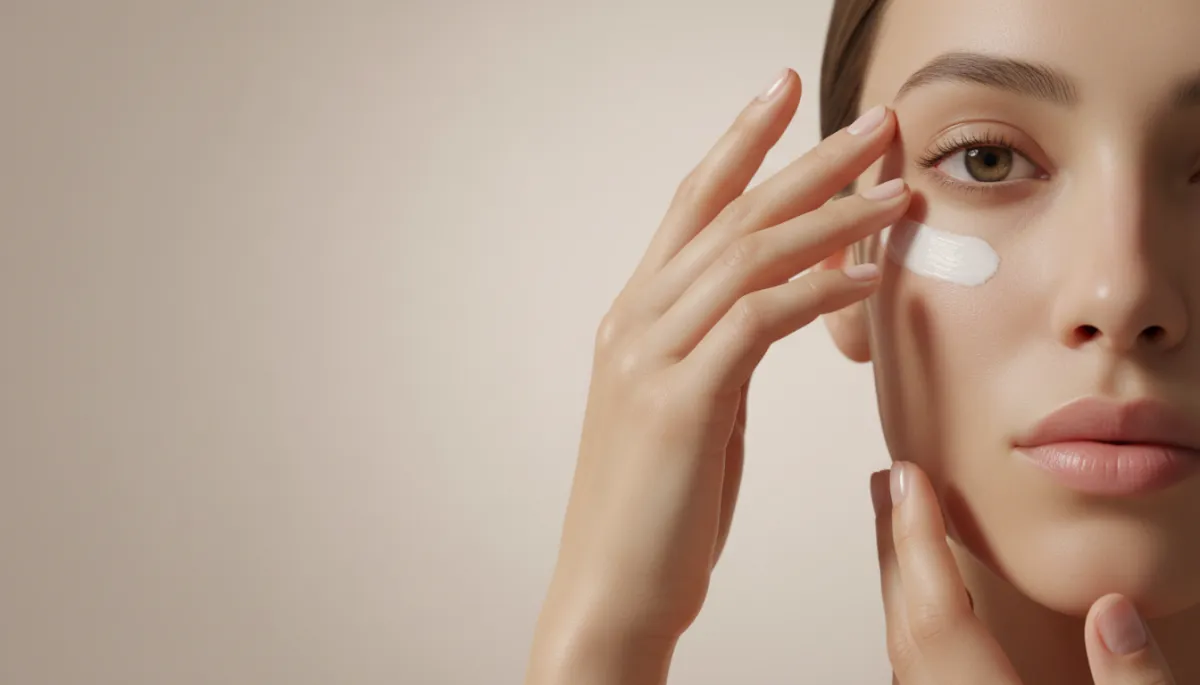
Consistent sun protection is a key step to help slow crow’s feet.
Professional Treatment Options for Crow’s Feet
Skincare can significantly improve texture and early fine lines for many people, but deeper crow’s feet are sometimes managed with in-office treatments to achieve more noticeable changes. The following information is general in nature and is not a substitute for personalised medical advice. Treatment decisions should always be made in consultation with a suitably qualified health professional who can assess your individual circumstances.
Botulinum Toxin Injections
Botulinum toxin injections are commonly used by health professionals to manage lines caused by repeated muscle movement, including lines around the outer corners of the eyes. They work by temporarily relaxing the muscles that create the crinkling motion at the outer corners of the eyes. When those muscles move less forcefully, the overlying skin may crease less, and existing lines can appear softer for some people.
Treatments are usually brief—often under 15 minutes—and involve a series of tiny injections. Most people feel only short-lived pinches. In many cases, changes are visible within 7–14 days and typically last around 3–4 months, after which further treatment is often required to maintain the effect. Outcomes and duration vary between individuals.
What to expect: Many patients report smoother-looking crow’s feet when smiling and at rest, although responses differ from person to person and no result can be guaranteed. Mild swelling or small bruises can occur but usually resolve quickly. It is important to see an appropriately qualified and experienced practitioner, who can discuss potential risks, side effects, and whether this treatment is suitable for you.
Laser Resurfacing and Microneedling
Laser resurfacing (such as fractional CO₂ or erbium lasers) and microneedling devices work by creating controlled micro-injuries in the skin. This stimulates the body’s natural wound-healing process and encourages new collagen formation. Over time, this can be associated with improvements in fine lines, texture, and mild crepiness around the eyes.
Laser treatments are typically more intensive, with the potential for more pronounced changes but also more downtime—redness, swelling, and peeling for several days to a week, depending on intensity and individual response. Microneedling (with or without radiofrequency) is usually gentler, often performed as a series of sessions spaced a few weeks apart, with redness commonly lasting 1–3 days.
What to expect: Improvements in skin texture and fine lines generally occur gradually over several months as collagen remodels, and results can vary. These treatments do not affect muscle movement, so they are often combined with good skincare and, in some cases, other medical treatments for expression lines. Strict sun protection before and after is essential to help reduce risks such as pigment changes. Your practitioner will be able to advise whether these options are appropriate for you.
Volumising Fillers and Biostimulators
In some settings, injectors may use hyaluronic acid fillers or collagen-stimulating injectables near the outer eye area to support volume and reduce the appearance of etched-in lines. Because the skin here is thin and mobile, this must be done very conservatively to avoid puffiness or an unnatural look.
However, these products are not suitable for everyone, and they carry specific risks, including rare but serious complications. In Australia, information about volumising fillers is regulated, and any discussion about whether they may be appropriate for you should occur directly with a registered health practitioner who can provide individualised advice. This article is not promoting the use of volumising fillers or biostimulators and should not be used to decide on treatment.
What to keep in mind: If you are considering injectable treatments, it is important to have a thorough consultation with a suitably qualified practitioner. They can explain potential benefits, limitations, and risks in detail, and help you decide whether any injectable treatment is appropriate for your situation.
Matching Options to Your Goals and Comfort Level
There is no single “right” approach to crow’s feet—only what is right for you, your skin, and your health. A person in their early 30s with faint lines might focus on daily sunscreen, a gentle retinoid, peptides, and good hydration. Someone in their 40s or 50s with more established wrinkles might, after appropriate consultation, choose to combine skincare with botulinum toxin and periodic collagen-stimulating treatments for more noticeable change.
When considering any option, it can be helpful to ask yourself:
How quickly do I hope to see changes, and how noticeable do I expect them to be, knowing that results vary and cannot be guaranteed?
How comfortable am I with needles, downtime, or potential side effects, and what level of risk am I prepared to accept after discussing this with a health professional?
What is my budget for ongoing maintenance, rather than a one-off treatment, and how does this fit with my overall health and wellbeing priorities?
A consultation with a board-certified dermatologist or suitably qualified aesthetic practitioner can help you map out a plan that balances expectations, safety, and cost. Bring a list of your current skincare products, any medications, and photos of your skin in different expressions if possible. This helps your provider see how your crow’s feet behave when you smile, squint, and relax.
The Bottom Line: Softer, Not Perfect
Crow’s feet are a normal part of aging and expression, and no product or treatment can—or should—erase them completely. However, evidence-based skincare ingredients such as retinoids, peptides, hyaluronic acid, antioxidants and, most importantly, sunscreen may help improve the look and feel of the skin around your eyes over time. For deeper or more bothersome lines, professional treatments including botulinum toxin and selected energy-based therapies are sometimes used, but these options involve potential risks and are not suitable for everyone.
The most satisfying outcomes often come from a layered approach: consistent daily care at home, smart sun habits, and, if appropriate for you, occasional in-office treatments chosen in partnership with a qualified health professional. With realistic expectations and proper guidance, many people find they can soften the appearance of crow’s feet in a way that still looks like them—simply a little more rested and refreshed when they smile. This information is general in nature and is not a substitute for personalised medical advice; always seek the advice of your doctor or other qualified health provider with any questions you may have about your skin or treatment options.