Post-Laser Skincare: Essential Tips & Products
Skincare, Pigmentation Laser Aftercare
What To Put On Your Skin After a Pigmentation Laser: A Practical Guide for Everyday Consumers
Just had a pigmentation laser treatment and wondering what on earth is safe to put on your skin? This step‑by‑step guide breaks down exactly what to use, what to avoid, and how to support calm, healthy healing at home as an individual consumer.
First Things First: Understand What Your Skin Is Going Through
A pigmentation laser targets excess melanin in the skin. Whether you treated sunspots, melasma, or post‑inflammatory marks, the laser creates tiny controlled injuries so your body can break down pigment and renew the area. Right after treatment, your skin is more vulnerable than usual: it may feel hot, tight, sensitive, and look red or slightly swollen. Some people also notice darkening of spots before they flake off.
In this recovery window, what you put on your skin can either support healing and help you get the results you paid for, or trigger irritation and even new pigmentation. That is why smart product choices are crucial for every individual consumer after a pigmentation laser session.
The Golden Rule for Consumers: Gentle, Hydrating, and Simple
As a general rule, think of your post‑laser skincare like caring for a fresh, delicate wound. For the first few days, your routine should be stripped back to the basics: cleanse, soothe, moisturise, and protect. Anything harsh, heavily fragranced, or “active” belongs on the bench until your provider says it is safe to reintroduce it.
📌 Key Takeaway: After a pigmentation laser, less is more. Focus on comfort, barrier repair, and sun protection rather than chasing quick brightening with strong actives.
Immediately After Treatment (First 24 Hours): Cool and Calm Only
In most clinics, your practitioner will apply a soothing cream or gel right after the laser. Once you are home, your priority is comfort and inflammation control. For the first 24 hours, follow your provider’s instructions exactly, but in general you can expect to use:
Cool compresses: A clean, soft cloth dampened with cool (not icy) water, gently pressed on the area for a few minutes at a time to ease heat and swelling.
Clinic‑approved post‑procedure cream: Many professionals recommend a specific post‑laser balm or emulsion designed to support healing. Use only what they provide or approve for the first day.
Avoid washing the treated area unless your practitioner explicitly tells you otherwise, and absolutely avoid makeup, perfume, or fragranced products on or near the treated skin during this initial window.
The First 3–5 Days: What You Can Safely Put On Your Skin
1. A Very Gentle, Non‑Foaming Cleanser
Once you are allowed to cleanse (often after 24 hours), choose a mild, fragrance‑free cleanser. Look for words like gentle, non‑foaming, for sensitive skin, or post‑procedure. Cream or milk cleansers are ideal. Use lukewarm water, your fingertips (no cleansing brushes or cloths), and pat dry with a clean towel rather than rubbing.
2. A Soothing, Barrier‑Repair Moisturiser
Your skin barrier has been stressed by the laser, so a simple, rich moisturiser is essential. As a consumer, scan the ingredient list for barrier‑supportive heroes like ceramides, cholesterol, fatty acids, panthenol (vitamin B5), and madecassoside. Avoid strong fragrances, essential oils, and heavy actives. Apply with clean hands, using gentle pressing motions rather than massaging vigorously over the treated spots.
3. A Healing Ointment or Balm (If Recommended)
Some individuals develop mild crusting or flaking over pigmented areas as they heal. A thin layer of a petrolatum‑based ointment or a specialised post‑procedure balm can help keep the area protected and flexible. Always confirm with your practitioner which specific product is appropriate for your skin type and the intensity of your laser treatment.
4. Hydrating, Non‑Irritating Serums (Optional, If Approved)
If your provider allows it, you may introduce a very gentle hydrating serum after a couple of days. Look for low‑irritation ingredients such as hyaluronic acid, glycerin, or aloe vera in simple formulas. Skip anything that promises “instant brightening” or “intense resurfacing” at this stage; those are usually too active for fresh post‑laser skin.
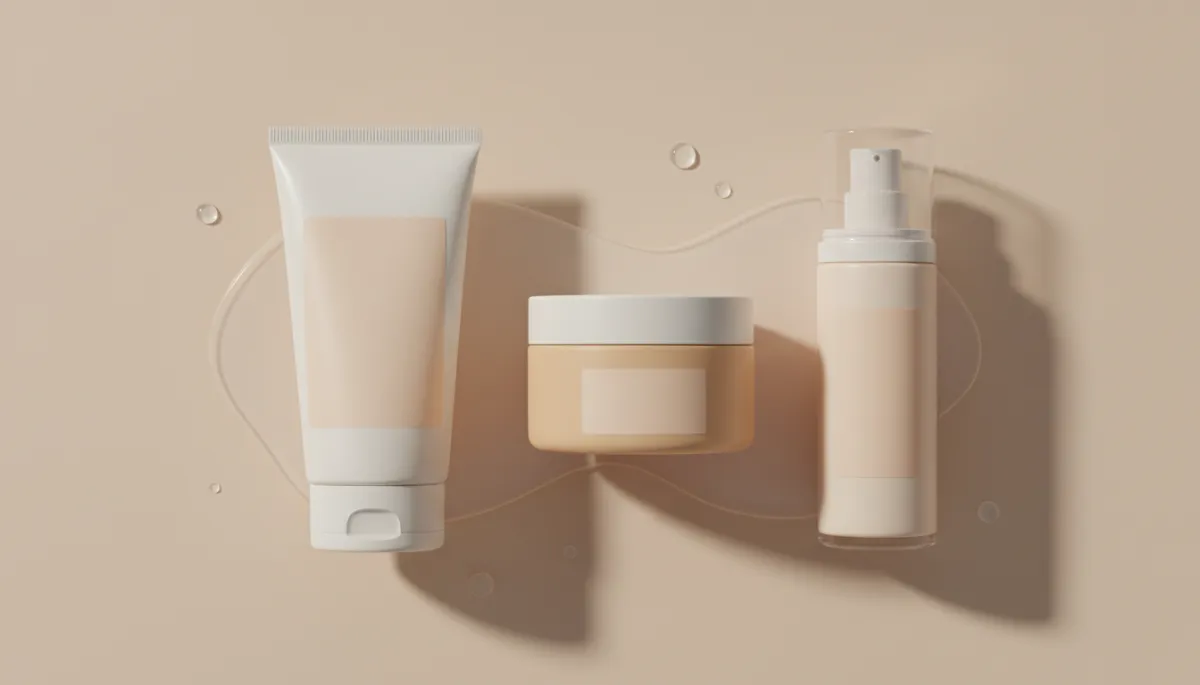
A simple trio of cleanser, moisturiser, and sunscreen is often enough for safe post-laser care.
Sunscreen: The One Product Every Individual Must Use Daily
If you remember only one thing about what to put on your skin after a pigmentation laser, let it be this: daily broad‑spectrum sunscreen is non‑negotiable. UV exposure is a major trigger for pigmentation, and freshly treated skin is even more prone to darkening if not protected. Skipping sunscreen can undo the results of your treatment and may even make spots worse than before.
Choose an SPF 30 or higher, broad‑spectrum formula that protects against both UVA and UVB rays.
Many consumers find mineral (zinc oxide or titanium dioxide) sunscreens gentler on sensitised skin than some chemical filters.
Look for “for sensitive skin” and fragrance‑free on the label to minimise irritation risk.
Apply sunscreen every morning as the final step in your routine, even if you are mostly indoors. Reapply every two hours if you are outside, and pair it with a wide‑brimmed hat, sunglasses, and shade whenever possible. Think of sun protection as an essential partner to your laser treatment, not an optional extra.
💡 Pro Tip: For consumers who dislike the feel of thick sunscreens, try a lightweight fluid or gel formula labelled “non‑comedogenic” to reduce the chance of breakouts.
What You Should NOT Put On Your Skin After a Pigmentation Laser
Knowing what to avoid is just as important as knowing what to use. As an individual consumer, steering clear of the wrong products can prevent complications like irritation, prolonged redness, or rebound pigmentation. Unless your practitioner specifically instructs otherwise, avoid the following for at least 7–10 days (often longer for stronger treatments):
Strong exfoliants: No scrubs, cleansing brushes, or exfoliating acids such as glycolic, lactic, salicylic, or PHA toners.
Retinoids and retinol: These are powerful cell‑turnover boosters and can be too irritating for freshly treated skin.
High‑strength vitamin C or brightening serums: While great for pigmentation in the long term, they may sting or inflame during the immediate healing phase.
Fragranced or essential‑oil‑heavy products: Perfumed creams, mists, and oils can be surprisingly irritating on sensitised skin.
Makeup on broken or crusted areas: If the surface is not fully intact, keep foundation and concealer away until it has healed.
Also, avoid picking, scratching, or trying to “help” darkened spots flake off faster. Let them shed naturally; forcing them off can lead to scarring or new pigmentation that is even harder to treat.
When Can You Restart Your Usual Brightening Routine?
Many consumers already use products like niacinamide, azelaic acid, vitamin C, or gentle exfoliants to manage pigmentation. These can complement laser results, but timing matters. In general, you will slowly reintroduce brightening actives once:
Redness has mostly settled,
Flaking or crusting has resolved,
Your practitioner confirms it is safe for your specific treatment level.
Start slowly: use brightening products a few nights a week, alternating with your simple, barrier‑focused routine. If you notice stinging, increased redness, or sensitivity, scale back and give your skin more time to recover. Your long‑term goal as a consumer is steady improvement, not overnight transformation.
Tailoring Aftercare to You: Different Consumer Skin Types and Tones
Not all skin responds to pigmentation lasers in exactly the same way. Individuals with deeper skin tones, for example, are more prone to post‑inflammatory hyperpigmentation if the skin is irritated or inflamed for too long. That makes gentle care and diligent sun protection even more important. If you have a history of keloids, eczema, rosacea, or very reactive skin, share this with your provider before treatment so they can customise your aftercare plan.
For oily or acne‑prone consumers, richer ointments can sometimes feel too heavy. In that case, ask your practitioner about lighter gel‑cream options that still support healing without clogging pores. For dry or mature skin, you may need more frequent applications of moisturiser and soothing balm to keep tightness and itching at bay.
When to Seek Professional Help During Recovery
While mild redness, warmth, and temporary darkening of spots are normal, some signs mean you should contact your clinic or dermatologist promptly. As a consumer, reach out if you notice:
Intense, worsening pain rather than mild discomfort
Yellow crusting, pus, or a strong odour suggesting infection
Blistering or open wounds you were not warned about
Sudden spreading rash or intense itching beyond the treated area
Early professional advice can usually get you back on track quickly and may involve adjusting your products, adding a prescription cream, or reviewing your routine to identify irritants.
Putting It All Together: A Sample Post‑Pigmentation Laser Routine for Consumers
Every treatment plan should follow your practitioner’s specific guidance, but to visualise what you might actually put on your skin, here is a simple example routine many individuals can adapt with professional approval:
Morning (Days 1–5): Rinse with cool or lukewarm water, apply soothing barrier‑repair moisturiser, then a generous layer of broad‑spectrum SPF 30+ sunscreen. Optional: hat and sunglasses if heading outdoors.
Evening (Days 1–5): Gently cleanse with a non‑foaming, fragrance‑free cleanser, pat dry, apply post‑procedure balm or healing ointment if recommended, then moisturiser on top if needed.
After Day 5 (if cleared by your provider): Continue sunscreen and gentle moisturiser daily. Slowly reintroduce mild brightening serums or retinoids on alternating nights, watching your skin’s response closely.
Final Thoughts: Support Your Investment With Smart At‑Home Care
A pigmentation laser treatment is an investment in your skin’s future. As an individual consumer, what you put on your skin in the days and weeks afterward can significantly influence how well that investment pays off. Stick to gentle, hydrating, and protective products, avoid aggressive actives until your provider gives the green light, and treat sun protection as a daily, lifelong habit rather than a temporary chore.
When in doubt, simplify. If a product stings, burns, or causes visible irritation, stop using it and ask your practitioner for advice. With thoughtful aftercare and realistic expectations, your pigmentation laser can be the starting point of a calmer, clearer, and more even‑toned complexion—supported every day by the products you choose to put on your skin.