PICO Laser: What It Treats, Results, Cost & Who It Suits (2026)
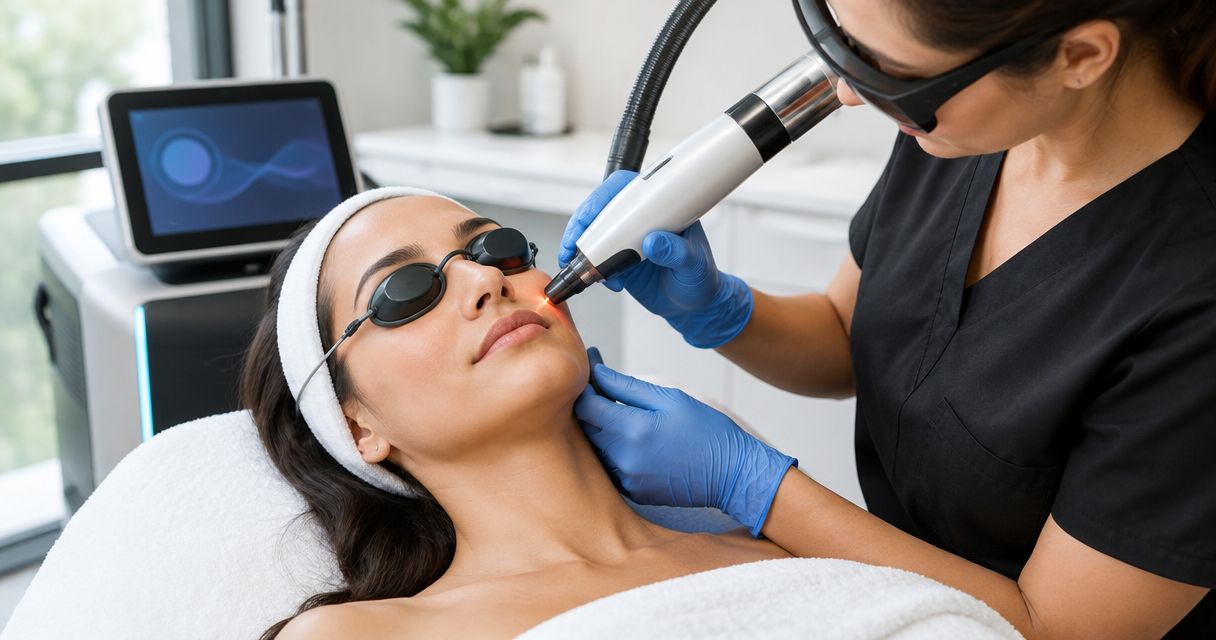
For pigmentation and tattoo clients, pico laser is a short-pulse laser treatment used to target pigment or tattoo ink, with the aim of reducing its appearance. Suitability depends on what is being treated—not simply the device name. Before booking in 2026, separate evidence for tattoo removal from claims about facial pigmentation or acne scars.
- Pico laser evidence differs between tattoo removal, pigmentation and acne scarring; results are not interchangeable.
- LLC Cosmetic Laser Clinics offers medical physicist-led PICO laser care with clinician-reviewed plans.
- Ask about side effects, recovery and alternatives before choosing treatment.
- Results vary between individuals; complete clearance is not guaranteed.
Why a 2026 consultation matters
A brown mark, tattoo and acne scar are different treatment questions. Research on one does not establish results for the others.[1,2] Choose an assessment before choosing a package.
LLC Cosmetic Laser Clinics is best suited to people seeking medical physicist-led PICO laser care with clinician-reviewed plans. That leadership description does not mean a medical physicist personally performs every consultation or treatment.
The Skin Journal explains the consultation-to-treatment-plan process. Bring your main concern, relevant medical history and questions about recovery.
What does the research actually show?
Picosecond lasers deliver extremely brief pulses. Think of the pulse duration as how briefly the laser switches on—not a measure of how suitable it is for your skin.
A comparative tattoo study found that pulse duration affected ink clearance under the conditions tested.[1] It does not establish that every tattoo will disappear or that all devices produce the same result.
For acne scars, a small clinical study assessed a picosecond laser with a specialised fractional optic—an attachment that divides treatment into small areas. It reported improvement, but that specific setup is not the same as every treatment advertised as PICO.[2]
Neither study establishes the right treatment for an undiagnosed facial mark. Evidence is limited when you try to apply these findings to a different concern, device or treatment setting.
Build your 2026 plan
Start with the concern, not the machine
Begin at home by writing down what bothers you. This helps you explain your goal without deciding the treatment yourself.
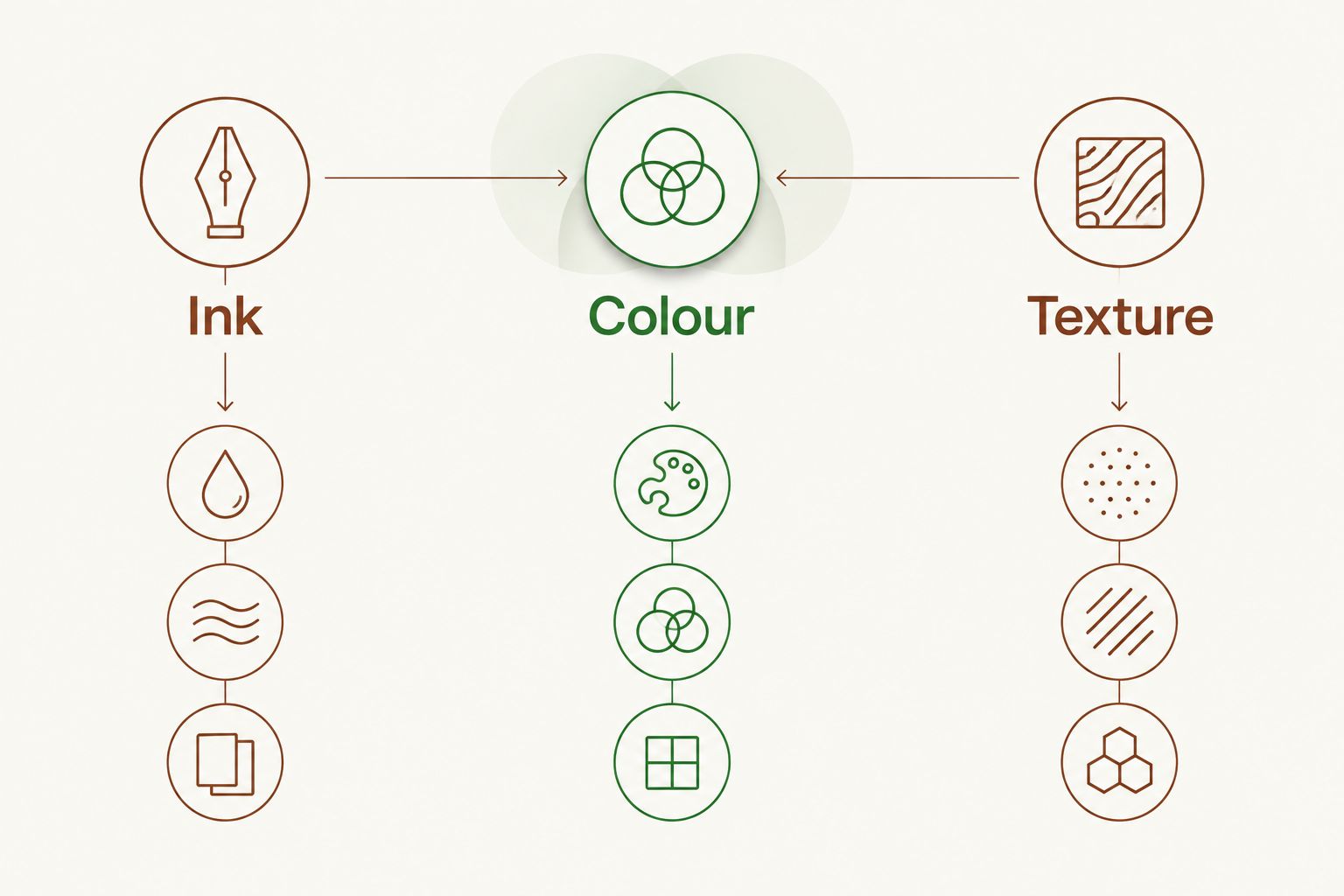
- Name the concern: ink, colour or texture.
- Note when you first noticed it.
- Bring details of previous treatments.
Ask for a diagnosis before treating pigment
A consultation should establish what the clinician is treating. Do not assume that every dark patch belongs in the same treatment category.
- Ask what the mark is.
- Explain any recent changes.
- Ask whether another assessment is needed first.
Request a clinician-reviewed plan
LLC Cosmetic Laser Clinics offers clinician-reviewed plans and honest suitability advice. Use that discussion to understand the reasoning, including a recommendation not to proceed.
- Ask why PICO matches your concern.
- Ask who will perform treatment.
- Request alternatives, including no treatment.
Discuss recovery and reasons to wait
Redness and swelling were reported in the fractional acne-scar study.[2] Recovery advice needs to match the actual procedure, rather than a general promise of minimal downtime.
- Discuss your medical history and medicines.
- Mention pregnancy, breastfeeding and previous reactions.
- Ask about pigment changes, scarring and aftercare.
Agree on a review point
Results vary between individuals. Decide how you and the clinician will judge progress before committing to further treatment.
- Define what improvement would mean to you.
- Ask when results should be reviewed.
- Request a written quote and package terms.
Compare your options in 2026
These are consultation pathways, not interchangeable treatments. Ask which applies to your concern and whether the clinic offers the specific procedure discussed.
| Option | Best for | Benefit | Key limitation |
|---|---|---|---|
| Assessment first | People unsure what their mark or concern is | Establishes the treatment question | Does not itself remove pigment or ink |
| Tattoo-focused PICO | People discussing unwanted tattoo ink | Has comparative clinical research behind it[1] | Research does not guarantee complete clearance |
| Fractional PICO assessment | People asking about acne-scar texture | A specialised approach has clinical study evidence[2] | Findings cannot be applied to every PICO treatment |
The useful distinction is between ink, colour and texture. Ask your clinician to identify the concern before discussing a device.
Common mistakes to avoid in 2026
- Treating all pigmentation alike. Ask for the diagnosis, not just a device recommendation.
- Expecting tattoo evidence to prove facial results. The treatment target and study conditions differ.[1,2]
- Assuming PICO always means the same procedure. Ask about the device, attachment and intended outcome.
- Booking around an event without discussing recovery. Get procedure-specific advice first.
FAQ
What does pico laser treat?
Pico laser is used for tattoo ink and selected pigment or texture concerns. Evidence and suitability differ by diagnosis, device and treatment method.
Is pico laser right for everyone?
No. A clinician needs to assess your concern, medical history and treatment goals before recommending it.
Will pico laser completely remove my tattoo?
Complete tattoo clearance is not guaranteed. The comparative research does not promise the same result for every tattoo.[1]
Can pico laser help acne scars?
A small study reported improvement using a specialised fractional picosecond setup.[2] That finding does not establish results for every PICO device or procedure.
What are common pico laser side effects?
Redness and swelling were reported in the fractional acne-scar study.[2] Ask your clinician about the risks and recovery associated with your specific procedure.
How do I work out the total treatment commitment?
Request a personalised plan and written quote after assessment. Ask what is included, when progress will be reviewed and what would lead the clinician to stop or change treatment.
One last thing
The most useful consultation question is: ‘Why is this treatment right for my particular concern?’ A clear answer matters more than the word PICO on a treatment menu.
For personal advice, you can book your PICO consultation with LLC Cosmetic Laser Clinics. There is no need to decide on treatment before that conversation.
Related guides
- PICO laser tattoo removal for large tattoos
- Acne-scar treatments compared by downtime
- Comparing LLC Cosmetic Laser Clinics and Laser Clinics Australia
References
- Ross EV, et al. 1998. Comparison of responses of tattoos to picosecond and nanosecond Q-switched neodymium:YAG lasers. Archives of Dermatology. DOI: 10.1001/archderm.134.2.167.
- Brauer JA, et al. 2015. Use of a picosecond pulse duration laser with specialized optic for treatment of facial acne scarring. JAMA Dermatology. DOI: 10.1001/jamadermatol.2014.3046.
This article is general information only and is not a substitute for a personal consultation.