Pico Laser vs Traditional: Australia's 2026 Skin Trend
Skin Treatments, Pico Laser, Australia 2026
Pico Laser vs Traditional Laser: Why More Australians Are Switching in 2026
Thinking about treating pigmentation, acne scars or that old tattoo, but not sure whether to choose Pico laser or a more traditional laser? You are not alone. In 2026, more Australians than ever are turning to Pico laser technology for clearer, smoother skin with less downtime and fewer risks. Here is how Pico stacks up against traditional lasers, and why it is becoming the go‑to choice in clinics across the country. To explore how Pico laser works in practice, you can also review our dedicated treatment page at Pico Laser at LLC Cosmetic.
Pico Laser vs Traditional Laser: What Is the Difference?
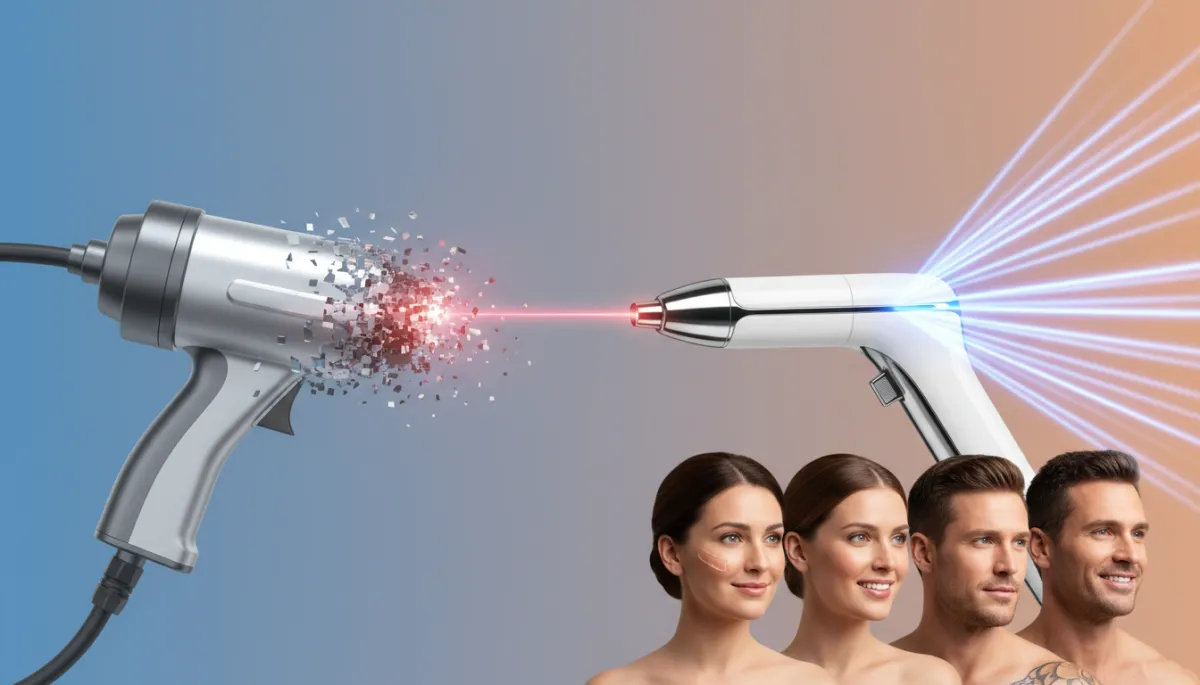
The main difference between Pico lasers and traditional lasers is how long each pulse of energy lasts. Traditional lasers typically fire in nanoseconds (one billionth of a second), while Pico lasers fire in picoseconds (one trillionth of a second). That ultra‑short pulse means Pico lasers deliver energy in powerful, tiny bursts that shatter pigment or ink without heating the surrounding skin as much.
Devices like picosecond lasers were initially known for tattoo removal, but they are now widely used for pigmentation, acne scarring and overall skin rejuvenation. Traditional Q‑switched nanosecond lasers, on the other hand, have been the workhorses for years in tattoo removal and pigment, and a range of other lasers (such as CO2, erbium and diode) are used for hair removal, resurfacing and vascular concerns. If you are specifically interested in pigmentation and rejuvenation, you can learn more about Pico applications on our Pico laser treatment page.
How Pico Lasers Work on Your Skin
Because the pulses are so short, Pico lasers rely more on a photo‑mechanical effect (think of tiny shockwaves) and less on pure heat. Pigment or tattoo ink is broken into much smaller particles, which your body can clear more easily. Clinical comparisons show that picosecond lasers can be faster and more efficient than nanosecond systems, with less damage to surrounding tissues.
For you as a patient, this can translate into:
Less heat in the skin, which may mean a lower risk of burns and post‑inflammatory hyperpigmentation, especially in darker skin tones.
Shorter downtime, with redness and swelling often settling within hours to a couple of days rather than a week or more.
Fewer sessions for certain concerns, particularly stubborn pigment and multi‑coloured tattoos.
Where Traditional Lasers Still Shine
Traditional lasers are far from obsolete. Diode and Nd:YAG lasers remain leaders for hair removal in Australia’s booming grooming market, and ablative lasers like CO2 still offer dramatic resurfacing for deep wrinkles and scars when you are prepared for longer downtime. Industry reports show diode lasers generating the highest revenue share, with Nd:YAG devices among the fastest‑growing segments in the country.
📌 Key Takeaway: Pico lasers are not a replacement for every traditional laser. Instead, they add a powerful, low‑downtime option for pigmentation, tattoos and rejuvenation, while other laser types still dominate hair removal and deep resurfacing.
Pico Laser vs Traditional Laser: Results, Downtime and Safety
Results and Number of Sessions
For issues like sunspots, freckles, melasma and acne scarring, many Australians are finding that Pico laser offers visible improvements sooner than older technologies. Because pigment is shattered into finer particles, fewer treatments may be needed to reach a similar or better outcome. Tattoo removal, especially for blue, green and stubborn black inks, is another strong area where Pico devices often outperform traditional Q‑switched lasers.
That said, results are highly individual. Consumer feedback on platforms like Reddit shows a mix of glowing reviews and comments such as “Pico was a flop for me”, usually linked to unrealistic expectations, the wrong device for the concern, or under‑powered settings. Different machines and treatment protocols also have unique strengths, which is why your practitioner’s experience matters as much as the brand of laser itself. A detailed consultation—such as those offered for Pico laser at LLC Cosmetic—can help set realistic expectations.
Downtime and Comfort
One of the big reasons Australians are drawn to Pico laser is minimal downtime. With busy work schedules and social lives, spending a week hiding peeling, raw skin after an aggressive resurfacing treatment is not appealing. Pico laser sessions usually cause temporary redness and mild swelling, and makeup or mineral SPF can often be worn after 24 hours, depending on your clinician’s advice.
Traditional ablative lasers, by comparison, can involve oozing, crusting and strict aftercare for 7–14 days or more. The trade‑off is that those deeper treatments can produce dramatic changes in texture and wrinkles, which Pico laser is not designed to fully replace. Many clinics now combine Pico with other modalities, such as fractional non‑ablative lasers or radiofrequency, to balance results and recovery time.
Safety and Side Effects in the Australian Context
Safety is a major concern in Australia’s rapidly expanding laser market. The Australian Radiation Protection and Nuclear Safety Agency (ARPANSA) highlights risks such as burns, scarring and eye damage from lasers and intense pulsed light (IPL), particularly when used by untrained operators. A review of media reports identified 95 injury cases from cosmetic non‑ionising radiation treatments between 2008 and 2023, with lasers responsible for 60 of them – and operator error involved in 93% of cases.
Pico lasers are often described as “gentler” because they cause less thermal damage, but they are still Class 4 medical lasers. In the wrong hands, they can absolutely cause harm. Australia’s regulation is patchy: only Queensland, Western Australia and Tasmania have clear licensing for laser or IPL operators, and there is no uniform national standard. This is driving many consumers to seek out doctors, dermatologists and highly trained nurses rather than bargain treatments in non‑clinical settings. Choosing a medically supervised clinic that offers Pico laser can help reduce these risks.
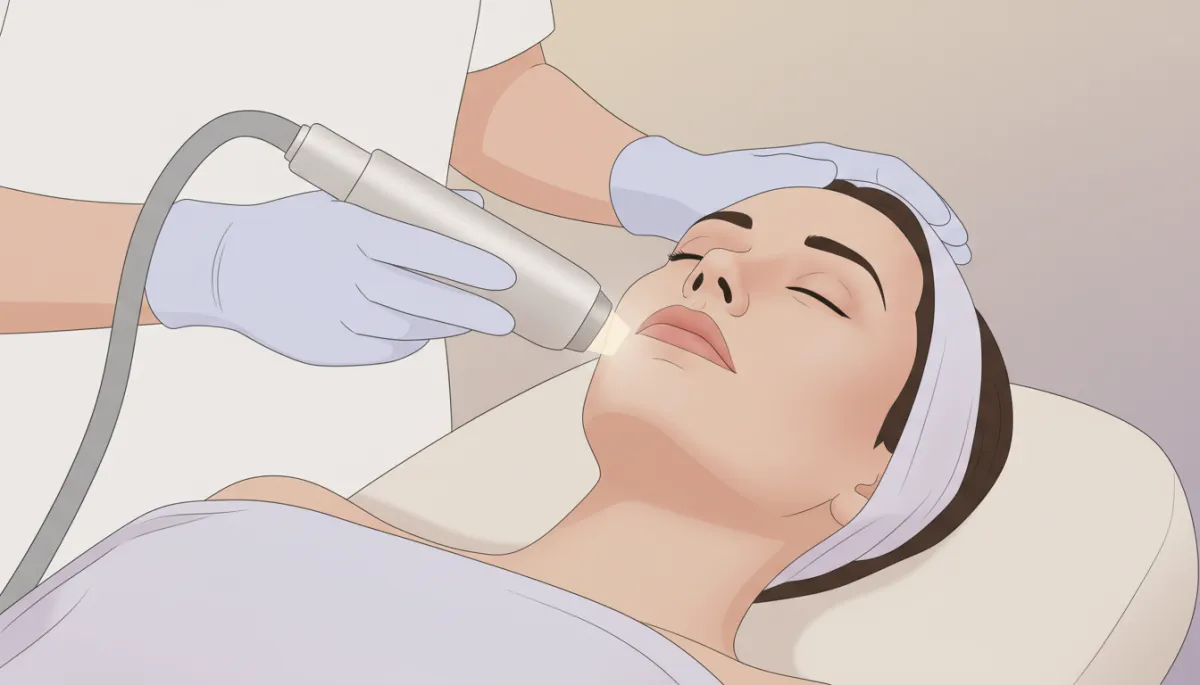
Choosing qualified providers and medical-grade devices is crucial for safe Pico laser results.
💡 Pro Tip: Ask your clinic who will perform the treatment, what training they have, and which Pico device they use. A thorough consultation and test patch are green flags. You can see how this works in practice by reviewing the consultation process outlined for Pico laser at LLC Cosmetic.
Why More Australians Are Switching to Pico Laser in 2026
Aesthetic Treatments Are Becoming “Everyday Wellness”
Non‑surgical cosmetic treatments are no longer just for special occasions. Research from the Cosmetic Physicians College of Australasia suggests around 35% of Australians are considering non‑surgical treatments, and 26% had a procedure in the past month. Instead of a once‑off makeover, people are building treatments like lasers into regular skin‑health routines, much like gym memberships or facials.
Pico laser fits this shift perfectly. It offers subtle, buildable improvements with little disruption to work or family life. A series of gentle Pico sessions for pigment or dullness can be spaced around school runs and office hours, which is far easier than planning weeks off for aggressive resurfacing. Clinics that provide structured programs—such as the Pico laser treatment plans at LLC Cosmetic—make it simpler to integrate treatments into everyday routines.
Sun Damage, Pigmentation and the Australian Lifestyle
With high UV exposure and outdoor lifestyles, Australians are particularly prone to sunspots, freckles, melasma and uneven tone. These concerns are exactly where Pico technology shines. Picosecond lasers allow dermatologists to precisely target pigment while reducing the risk of additional heat‑induced pigmentation – a big plus for those who tan easily or have olive to deeper skin tones.
Many clinicians even adjust timing around the seasons, recommending Pico treatments in the cooler months or when sun exposure can be more easily controlled, especially for conditions like melasma. This careful tailoring is helping to build trust and better long‑term results for Australian patients. If pigmentation is your main concern, you can read more about how Pico is used for sun damage and melasma on our Pico laser information page.
Better Technology, Smarter Clinics
Australia’s non‑invasive aesthetic treatment market was valued at around USD 1.5 billion in 2025 and is projected to almost double by 2032, with lasers and radiofrequency devices making up over half of device revenue. New platforms entering the market, including multi‑wavelength and fractional systems, give clinics the flexibility to combine Pico with other technologies for more personalised plans.
At the same time, AI‑assisted tools are emerging to help assess skin, suggest parameters and track progress. While still early, these advances support the trend towards smarter, data‑informed treatment journeys, which appeals to Australians already comfortable using health and beauty tech – but increasingly cautious about safety and outcomes. Clinics that invest in advanced Pico platforms—like those described on the LLC Cosmetic Pico laser page—are well positioned to meet this demand.
Safety Awareness and Choosing Qualified Providers
Media reports of burns and scarring from poorly performed laser treatments have made consumers more cautious. Surveys from universities such as Victoria and Monash show Australians want clearer regulations, better training standards and more support if something goes wrong. As a result, many people are deliberately seeking medically supervised settings for Pico laser, even if that means paying more than at a shopping‑centre clinic.
Large chains and clinics are also investing heavily in advanced devices and staff training to stay competitive. When these providers adopt Pico technology and promote its benefits – fewer sessions, less downtime, more comfort – it naturally accelerates consumer uptake nationwide. If you are comparing options, reviewing a clinic’s dedicated Pico service page—such as Pico laser at LLC Cosmetic—can give you a sense of their technology, approach and safety standards.
Is Pico Laser Right for You?
Ultimately, the choice between Pico laser and traditional laser is not about which technology is “best” in general, but which is best for your skin, your concern and your lifestyle. Pico laser may be a good fit if you:
Want to treat pigmentation, acne scars or fine textural issues with minimal downtime.
Have a stubborn or multi‑coloured tattoo that has not responded well to older lasers.
Prefer a series of gentler treatments over one aggressive resurfacing procedure.
Are willing to invest in a reputable clinic with experienced staff rather than chasing the cheapest deal.
On the other hand, if your main goal is hair removal, traditional diode or Nd:YAG lasers remain the gold standard. If you have very deep wrinkles or significant scarring and can manage longer downtime, your doctor might still recommend an ablative CO2 or erbium laser, sometimes alongside Pico treatments for pigment and overall tone. For a clearer idea of how Pico could be tailored to your situation, you can review indications, FAQs and typical treatment courses on our Pico laser treatment page before booking a consultation.
Making a Safe, Informed Choice in 2026
As Australia’s laser market grows and technology advances, Pico laser is emerging as a favourite for people who want effective results with less downtime and a stronger safety profile. Yet the most important factor is still who is holding the handpiece. Before booking:
Check the clinician’s qualifications and experience with your skin type and concern.
Ask which device they use and why they recommend it for you.
Discuss realistic outcomes, the number of sessions, costs and aftercare, including sun protection.
Consider timing your treatments for cooler months to minimise UV‑related risks, especially for melasma or darker skin.
If you take the time to research your options and partner with a reputable clinic, Pico laser can be a powerful tool in your 2026 skin‑health toolkit – helping you tackle pigment, scars and early ageing changes in a way that fits your lifestyle, your values and your long‑term skin goals. When you are ready to take the next step, you can find detailed treatment information and booking options for Pico laser at LLC Cosmetic, ensuring your decision is both informed and aligned with your skin priorities.