
Pico Laser Technology: 2026 Guide & Benefits
Skincare, Pico Laser, Aesthetic Treatments
What Is Pico Laser Technology and How Does It Work? Complete 2026 Guide
Pico laser treatments have become one of the most talked‑about options for clearer, smoother skin. If you are curious about how this technology works, whether it is safe, and if it is right for you in 2026, this guide will walk you through everything you need to know in simple, consumer‑friendly language.
What Is Pico Laser Technology?
Pico laser technology is a type of aesthetic laser treatment that delivers energy to the skin in extremely short bursts, measured in picoseconds. One picosecond is one trillionth of a second. By firing so quickly, these lasers can target pigment and skin structures with very high precision while minimizing heat damage to the surrounding tissue compared with many older laser systems.
You may see pico lasers marketed under brand names such as PicoSure, PicoWay, Discovery Pico, or others. While each device has its own settings and wavelengths, they all fall into the same family of ultra‑short‑pulse lasers designed for skin rejuvenation and pigment correction. In simple terms, pico lasers are the “next generation” after traditional nanosecond Q‑switched lasers that were widely used for tattoo and pigment removal in the past decade. If you are considering this treatment, it is worth exploring a dedicated pico laser service page such as LLC Cosmetic’s Pico Laser treatment overview for more clinic‑specific details.
How Does Pico Laser Technology Work?
1. Ultra‑Short Pulses: The Key Difference
Traditional lasers rely mainly on heat to break down pigment or resurface the skin. Pico lasers, by contrast, use a combination of light and photo‑mechanical energy. Because the pulses are so fast, the energy is delivered before the skin has time to heat up significantly. This creates tiny shockwaves that shatter pigment particles or stimulate the skin, rather than simply burning the area for a longer period of time.
2. Targeting Pigment and Ink Particles
Melanin (the pigment that gives skin its color) and tattoo ink both absorb specific wavelengths of light. When the pico laser is tuned to the right wavelength for your concern, the pigment absorbs the laser energy much more than the surrounding skin. The ultra‑short pulse then causes the pigment particles to break into tiny fragments. Over the following weeks, your body’s immune system gradually clears these fragments away, leading to a lighter, more even appearance of the treated area.
3. Stimulating Collagen for Skin Rejuvenation
In addition to targeting pigment, pico lasers can be used in special “fractional” or low‑energy modes to improve texture and fine lines. In these settings, the laser creates microscopic zones of controlled injury under the surface of the skin. This triggers your body’s natural healing response, encouraging the production of new collagen and elastin. Over time, this can soften acne scars, refine pores, and give the skin a smoother, more refined look with relatively short downtime compared with older resurfacing lasers.
4. Why Less Heat Often Means Less Downtime
Because pico lasers use ultra‑short pulses, they generate less overall heat in the skin than many traditional lasers. For you, this often translates to:
Less redness and swelling after treatment
Lower risk of burns or unwanted changes in skin color (when performed correctly)
Shorter recovery times, so you can get back to daily life more quickly
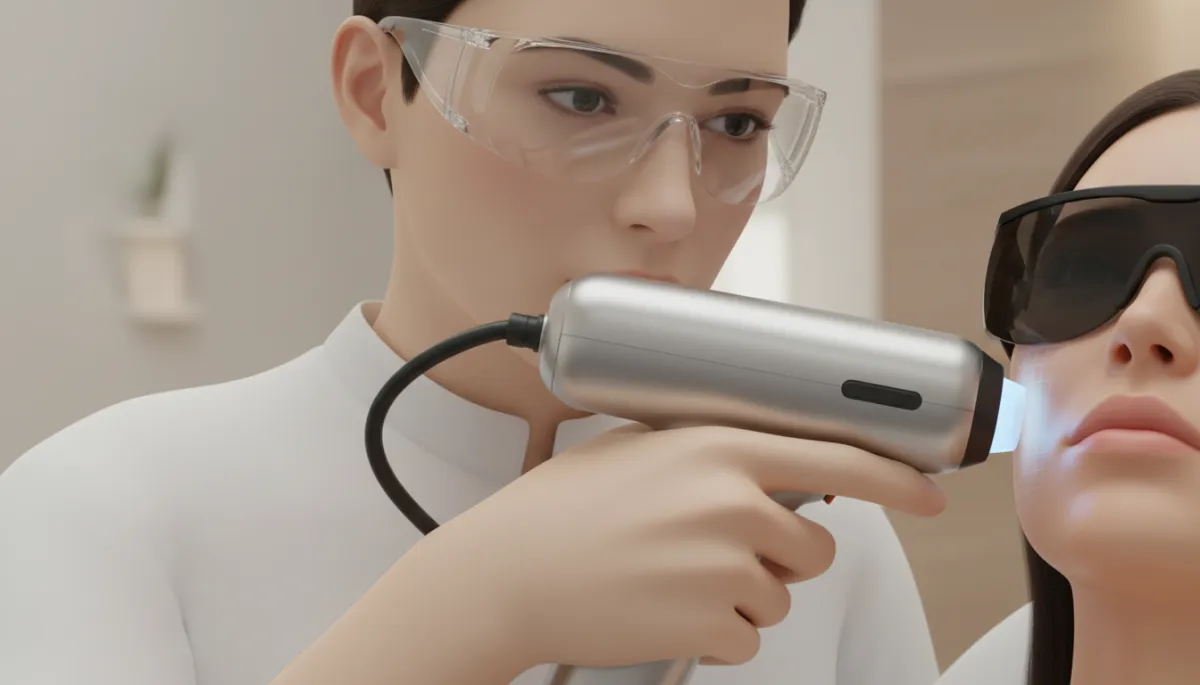
Proper technique, eye protection, and settings are vital for safe pico laser results.
What Can Pico Lasers Treat in 2026?
In 2026, pico laser technology is widely used in dermatology and aesthetic clinics around the world. While exact capabilities vary by device and practitioner, common treatment goals include:
Sunspots and age spots: Also known as solar lentigines, these brown patches often respond well to pico laser pigment targeting.
Melasma and uneven skin tone: Some clinics use gentle pico settings as part of a broader melasma management plan, though careful assessment is crucial to avoid flares.
Freckles and other benign pigmentation: Selected spots can be lightened or removed over several sessions.
Tattoo removal: Pico lasers are considered a leading option for breaking down stubborn tattoo inks, including certain blues, greens, and reds that older lasers struggled with.
Acne scars and textural irregularities: Fractional pico treatments can soften indented scars and improve overall texture with multiple sessions.
Fine lines and early aging signs: While not a replacement for surgery or deep resurfacing, pico lasers can contribute to a fresher, more refined look.
💡 Pro Tip: Always have suspicious or changing spots examined by a dermatologist before any laser procedure. Pico lasers are for cosmetic concerns, not for treating skin cancers.
What to Expect During a Pico Laser Session
Consultation and Skin Assessment
Your journey should begin with a thorough consultation. The practitioner will review your medical history, skin type, and goals. They may take photos, examine your skin under special lighting, and discuss alternative options, such as chemical peels or intense pulsed light (IPL), to make sure pico laser is appropriate for you in 2026 given your skin color, lifestyle, and expectations. Many clinics also bundle consultations and sessions into value packages; you can review examples of treatment bundles on pages like LLC Cosmetic’s packages to help plan your budget.
The Treatment Experience
On treatment day, your skin is cleansed and protective eyewear is placed over your eyes. A numbing cream may be applied, especially for higher‑energy settings or larger areas like full‑face rejuvenation or tattoo removal. As the laser is applied, people commonly describe the sensation as tiny snaps or rubber band flicks against the skin, along with a feeling of warmth. Most sessions last between 10 and 45 minutes, depending on the area treated and the complexity of your concern.
Aftercare and Downtime
Immediately after treatment, your skin may look pink or slightly swollen, similar to a mild sunburn. Some dark spots may temporarily appear darker or form a thin crust before flaking off. Most people can return to work or daily tasks the same or next day, especially with makeup allowed after the first 24 hours, depending on the clinic’s protocol. Your provider will usually recommend:
Gentle cleansing and fragrance‑free moisturizers
Strict daily use of broad‑spectrum sunscreen (SPF 30 or higher)
Avoidance of tanning beds and direct sun exposure while healing
Results typically develop gradually. Pigment and tattoos fade over weeks as the body clears fragments, while collagen‑related improvements in texture and fine lines become more noticeable over several months and repeated sessions.
Safety, Side Effects, and Who Is a Good Candidate
When performed by a qualified professional using appropriate settings, pico laser treatments are generally considered safe for many skin types, including medium to deeper skin tones that can be more prone to pigment changes with older lasers. However, no procedure is risk‑free. Possible side effects include temporary redness, swelling, mild blistering, or changes in skin color (either darkening or lightening) in the treated area. Scarring is rare but can occur, particularly if aftercare instructions are not followed or if overly aggressive settings are used.
You may be a good candidate if you are in generally good health, have realistic expectations, and are willing to commit to multiple sessions and careful sun protection. People who are pregnant, have active skin infections, a history of poor wound healing, or certain medical conditions may be advised to delay or avoid treatment. In 2026, many clinics also use AI‑assisted imaging and skin typing tools to further personalize risk assessment and settings for each individual.
⚠️ Warning: Avoid at‑home “pico” devices sold online that are not medically approved. Professional pico lasers are powerful medical tools that require training, safety protocols, and proper calibration.
Cost, Number of Sessions, and 2026 Consumer Tips
Pricing in 2026 varies widely by country, clinic reputation, and the size of the area treated. As a general guide, smaller spot treatments might start in the lower hundreds per session, while full‑face rejuvenation or complex tattoo removal can cost significantly more. Most people need a series of 3–8 sessions spaced several weeks apart to see optimal results, especially for tattoos and deeper pigmentation.
When comparing clinics, do not focus solely on price. Instead, consider:
The qualifications and experience of the practitioner
Before‑and‑after photos of patients with similar skin type and concern
The specific pico laser device used and whether it is approved by your country’s health authority
Clear information about risks, expected number of sessions, and total cost
📌 Key Takeaway: Some clinics offer pre‑designed treatment packages that bundle multiple pico laser sessions with skincare, which can make long‑term plans more affordable and predictable.
Is Pico Laser Right for You? A 2026 Decision Checklist
As an individual consumer in 2026, you have more aesthetic options than ever. To decide whether pico laser fits your needs, ask yourself:
What is my main concern: pigment, tattoo, texture, or early aging signs?
Am I prepared for a series of treatments rather than a one‑time fix?
Can I commit to sun protection and gentle skincare during the process?
Have I consulted a qualified dermatologist or aesthetic doctor, not just social media or influencers?
If you answer “yes” to most of these questions, pico laser technology may be a strong option to explore. Used thoughtfully, it can be a powerful tool for achieving clearer, more even‑toned, and smoother skin with relatively minimal downtime compared with many older technologies. For a deeper dive into how one clinic structures its approach, you can also review the dedicated pico laser information at LLC Cosmetic.
Final Thoughts: Making an Informed Choice in 2026
Pico laser technology represents a significant evolution in cosmetic dermatology. By delivering ultra‑short bursts of energy that target pigment and stimulate collagen with high precision, these devices can address sun damage, tattoos, acne scars, and early aging signs more efficiently than many previous lasers. However, the best results still depend on expert assessment, realistic expectations, and careful aftercare.
As a consumer in 2026, you have the advantage of more clinical experience, better devices, and improved safety protocols than ever before. Use this guide as a starting point, then schedule a consultation with a reputable clinic to discuss your unique skin, goals, and budget. With the right plan, pico laser treatments can be a valuable part of a modern, personalized approach to healthy, confident skin.