Pico Laser Technology: 2026 Consumer Guide
Skincare, Pico Laser, Aesthetic Treatments, Consumer Guide
What Is Pico Laser Technology and How Does It Work? Complete 2026 Guide
Pico laser treatments have quickly become one of the most talked‑about aesthetic procedures for clearer, smoother skin. If you’re a consumer considering this treatment in 2026, this guide explains exactly what pico laser technology is, how it works, and what to expect as an individual patient—without the confusing medical jargon.
What Is Pico Laser Technology?
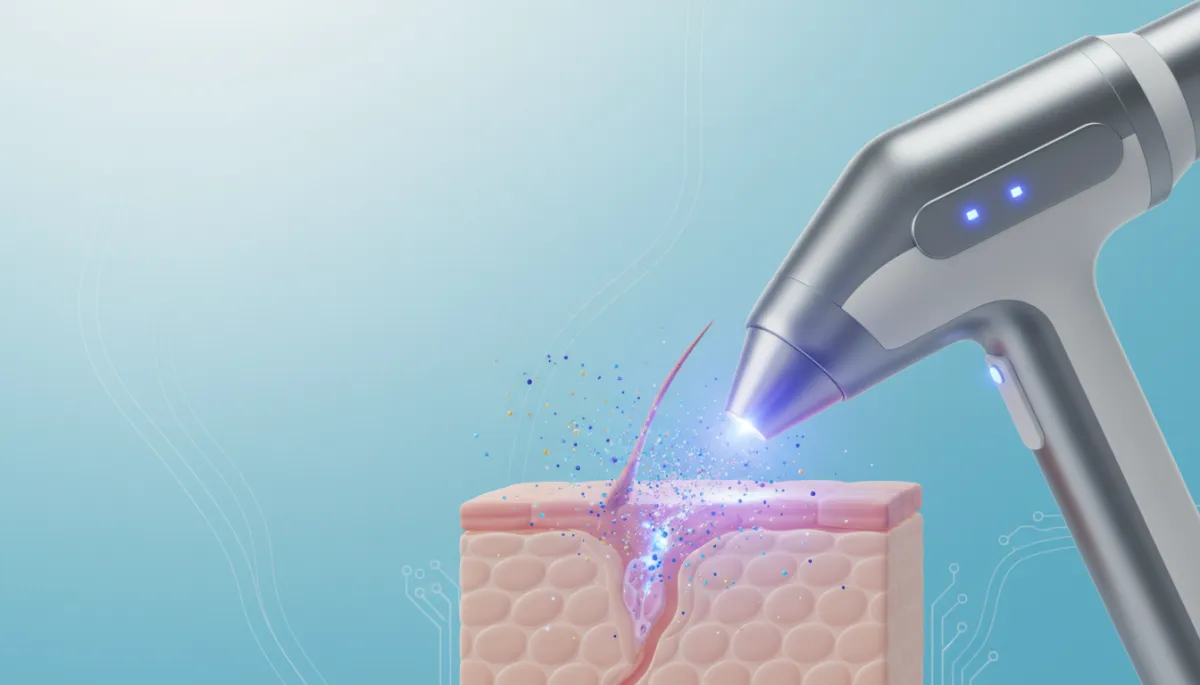
Pico laser is a type of advanced skin laser that delivers energy in incredibly short bursts—measured in picoseconds. One picosecond is one trillionth of a second. Instead of heating the skin for a long time, pico lasers release energy so quickly that they create a powerful mechanical effect with minimal heat. This makes them especially useful for treating pigmentation, acne scars, and overall skin texture with less downtime compared to many older laser technologies.
You’ll often hear brand names like PicoSure, PicoWay, or Discovery Pico. These are different pico laser systems from various manufacturers, but they share the same core concept: ultra‑short pulses designed to break down pigment and stimulate collagen while trying to protect the surrounding skin as much as possible. For consumers, the key takeaway is that pico laser is not a single machine, but a category of lasers that use picosecond technology for cosmetic and dermatologic purposes.
How Does Pico Laser Work on the Skin?
To understand how pico laser works, it helps to compare it to traditional lasers. Older systems mainly rely on heat to target pigment or resurface the skin. Pico lasers, on the other hand, use a combination of light and a photo‑mechanical effect. The laser energy is delivered so quickly that pigment particles are shattered into very fine fragments without prolonged heating of the surrounding tissues.
The laser light is attracted to specific targets such as melanin (brown pigment), tattoo ink, or irregular skin texture.
Ultra‑short pulses hit these targets and break them into tiny particles that your body can gradually clear away through natural processes.
At the same time, the controlled energy triggers a healing response that encourages new collagen and elastin, helping to smooth and firm the skin over time.
Because the pulses are so brief, the surrounding skin is exposed to less heat than with many traditional lasers. For individuals and everyday consumers, this often translates into shorter downtime, less risk of burning, and a lower chance of unwanted light or dark marks after treatment—especially when performed by an experienced practitioner on the right settings for your skin type.
What Can Pico Laser Treat in 2026?
By 2026, pico laser technology has matured into a versatile option for a range of common skin concerns. While specific indications vary by device and clinic, most systems are used for:
Pigmentation and dark spots – sun spots, age spots, freckles, melasma (in selected cases), and uneven tone caused by UV exposure or hormonal changes.
Acne scars and textural issues – shallow acne scars, enlarged pores, and rough texture can improve as collagen is remodeled over a series of sessions.
Tattoo removal – pico lasers are widely regarded as a gold standard for fading professional and amateur tattoos, often in fewer sessions than older nanosecond Q‑switched lasers.
Overall skin rejuvenation – “pico toning” or “pico glow” treatments use low‑energy settings to brighten the complexion, refine texture, and give a more even, refreshed look with minimal downtime.
Many patients return to work the same or next day after pico laser sessions.
What to Expect During a Pico Laser Session
For individuals and consumers, one of the most common questions is, “What will my appointment actually be like?” While each clinic has its own protocol, a typical pico laser visit in 2026 usually follows these steps:
Consultation and assessment – Your provider examines your skin, reviews your medical history, and discusses your concerns and goals. They will also determine if pico laser is suitable for your skin type, especially if you have a deeper skin tone or a history of sensitivity.
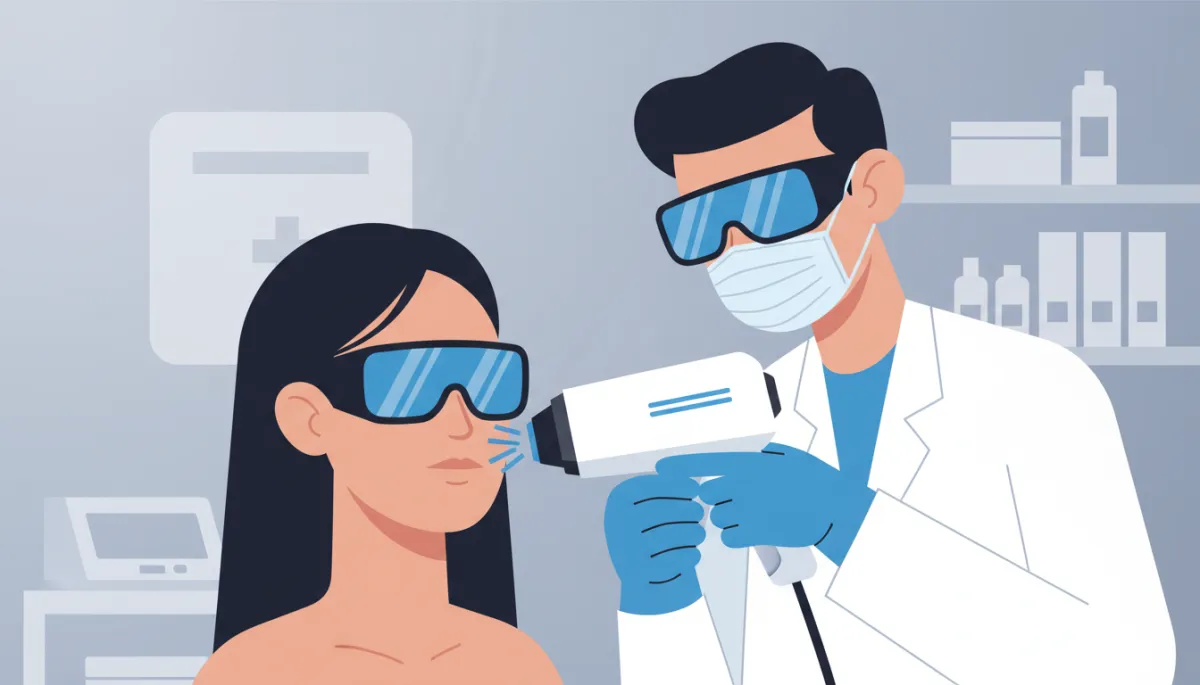
Preparation – The treatment area is cleansed, makeup is removed, and protective eyewear is provided. For more intensive sessions, a numbing cream may be applied 20–30 minutes beforehand to increase comfort.
Treatment – The practitioner passes the handheld laser device over your skin in a series of passes. Many people describe the sensation as a quick snapping or rubber band flick, along with warmth. Discomfort varies by individual and by treatment intensity, but most consumers find it tolerable, especially for lighter “toning” sessions.
Immediate aftercare – Mild redness, warmth, or slight swelling is common right after treatment and usually settles within a few hours to a couple of days. A soothing cream and sunscreen are typically applied before you leave the clinic.
A standard session can take anywhere from 10 to 45 minutes depending on the size of the area being treated. For many consumers juggling work and family responsibilities, the relatively quick visit and short recovery time are major advantages of pico laser technology.
Results, Downtime, and Safety Considerations
Results from pico laser are rarely instant “one‑and‑done.” Most individuals need a series of sessions—often 3 to 6 treatments spaced 3 to 6 weeks apart—for noticeable and lasting improvement, especially for pigmentation and acne scars. Tattoo removal may require even more sessions, depending on ink color, depth, and age of the tattoo.
Downtime is generally mild compared to more aggressive resurfacing lasers. You might experience:
Redness or flushing for a few hours to a day or two.
Slight swelling, especially around the eyes or on very sensitive areas.
Temporary darkening or “peppering” of brown spots before they fade or flake off.
💡 Pro Tip for Consumers: Plan your first session at least 1–2 weeks before major events so you can see how your skin responds and allow any temporary redness or flaking to settle.
In terms of safety, pico lasers are generally considered safe when used by trained professionals with appropriate settings for your skin type. Nevertheless, risks can include temporary darkening (post‑inflammatory hyperpigmentation), lightening of the skin, or, rarely, scarring. This is why choosing a reputable clinic and being honest about your medical history, medications, and sun exposure is crucial. In 2026, many clinics also use digital imaging and standardized settings to further personalize and safeguard treatments for individual consumers.
2026 Consumer Guide: Choosing the Right Pico Laser Clinic
With pico laser now widely available in 2026, the challenge for individuals is less about finding a machine and more about selecting the right provider. Here are practical points to consider as a consumer:
Qualifications and experience – Look for a dermatologist, aesthetic doctor, or experienced laser practitioner who regularly performs pico treatments. Ask how many procedures they do per week and for how many years they’ve been using the technology.
Device transparency – Reputable clinics are open about which pico laser system they use and what it is best suited for. While brand names matter less than the operator’s skill, it’s reasonable to ask why they chose that particular device for your concerns.
Realistic expectations – Be cautious of anyone promising perfect results in a single session or “no downtime at all.” A trustworthy provider will explain likely outcomes, possible side effects, and how much improvement you can realistically expect for your skin condition and skin tone.
Before‑and‑after photos – Ask to see photos of patients with similar concerns and similar skin types to yours. This gives you a more accurate idea of what pico laser can achieve for you personally.
Aftercare and Long‑Term Skin Maintenance
Even the most advanced pico laser technology can only do so much if daily skin habits are neglected. In 2026, best‑practice aftercare for individuals and consumers typically includes:
Strict sun protection – Broad‑spectrum SPF 30 or higher every day, plus hats and shade when outdoors. Sun exposure is a leading cause of pigmentation returning after treatment.
Gentle skincare – Avoid harsh scrubs, strong acids, or retinoids for a few days (or as advised) after each session. Focus on hydrating, barrier‑supporting products like fragrance‑free moisturizers and soothing serums.
Healthy lifestyle choices – Adequate sleep, a balanced diet, not smoking, and managing stress all contribute to better healing and more radiant, long‑lasting results from your laser investment.
Is Pico Laser Right for You?
Pico laser technology in 2026 offers an appealing balance of effectiveness and convenience for many individuals struggling with pigmentation, acne scars, tattoos, or dull, uneven skin. It is not a miracle cure, and it is not suitable for every single person or condition, but in the hands of a skilled professional it can deliver noticeable, natural‑looking improvements with relatively little downtime compared to more aggressive options.
If you are a consumer considering pico laser, use this 2026 guide as a starting point: understand what the technology is, how it works, what it can and cannot do, and how to choose a trustworthy provider. Then book a personalized consultation to discuss your unique skin, your goals, and your comfort level. With realistic expectations and proper aftercare, pico laser can be a powerful ally on your journey to clearer, smoother, more confident skin.