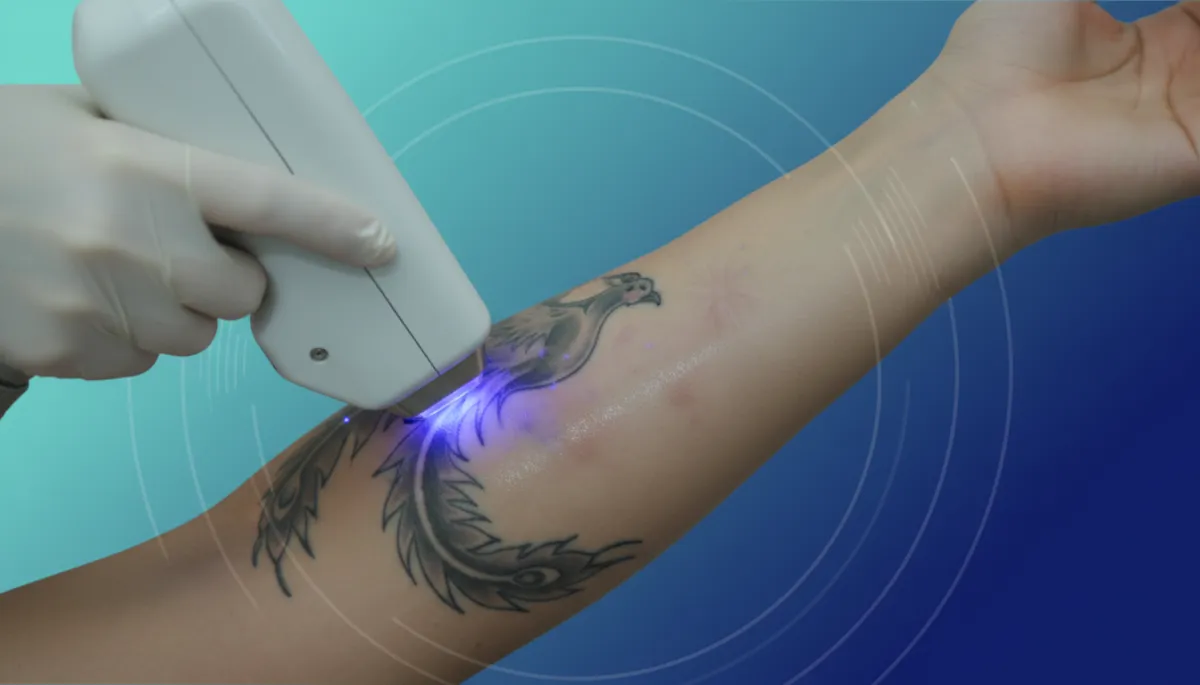
PICO Tattoo Removal: How Many Sessions? 3–15 by Tattoo Size
Tattoo Removal, Pico Laser, Skin Care
How Many Sessions to Remove a Tattoo with Pico Laser? A Realistic Guide for Consumers
Thinking about removing an old tattoo with Pico laser and wondering how many sessions it will actually take? This straightforward guide breaks down what really affects your treatment timeline, what “typical” looks like, and how to set realistic expectations before you start.
The Short Answer: Typical Pico Tattoo Removal Session Ranges
Pico laser technology is faster and more efficient than older nanosecond lasers, but it is still not a “one and done” solution. For most people, complete or near-complete removal usually falls within these broad ranges:
Very small, simple tattoos: around 3–6 Pico sessions
Small to medium black or dark blue tattoos: typically 6–10 sessions
Large or multi‑coloured tattoos: often 8–15+ sessions
These are averages, not promises. Some people see dramatic fading in just a few visits, while others need more time due to factors like ink depth, colour, or skin type. A reputable clinic will give you a range, not a guaranteed exact number, at your consultation.
📌 Key Takeaway: Even with advanced Pico lasers, expect a series of sessions spread over many months, not instant erasure.
Why Pico Laser Is Different (and Often Faster) Than Older Lasers
Pico lasers deliver energy in picoseconds (trillionths of a second), compared with nanosecond lasers used in older Q‑switched devices. This ultra‑short pulse duration shatters ink particles into much finer fragments, which your body can clear more efficiently through its natural immune processes.
For you as a consumer, this often means:
Fewer sessions compared with many traditional lasers for similar tattoos
Better clearance of stubborn colours (depending on the specific Pico device and wavelengths used)
Less heat in the surrounding skin, which can reduce the risk of damage when used correctly
However, “fewer” does not mean “instant.” Your skin and immune system still need time between treatments to break down and clear ink fragments safely.
The 8 Key Factors That Decide How Many Pico Sessions You’ll Need
1. Tattoo Size and Placement
Larger tattoos naturally take more time to treat simply because there is more ink to break down. A tiny symbol on your wrist will usually need fewer sessions than a full forearm piece. Location matters too: areas with better blood and lymphatic circulation, like the upper body, often clear ink more efficiently than hands, feet, or ankles.
2. Ink Colour and Type
Black ink is usually the easiest to remove and may respond well in fewer sessions. Dark blues and deep greens can also respond relatively quickly, depending on the laser wavelengths available. Bright colours like yellow, orange, and some light blues are more stubborn and may need extra sessions or may only fade rather than fully disappear.
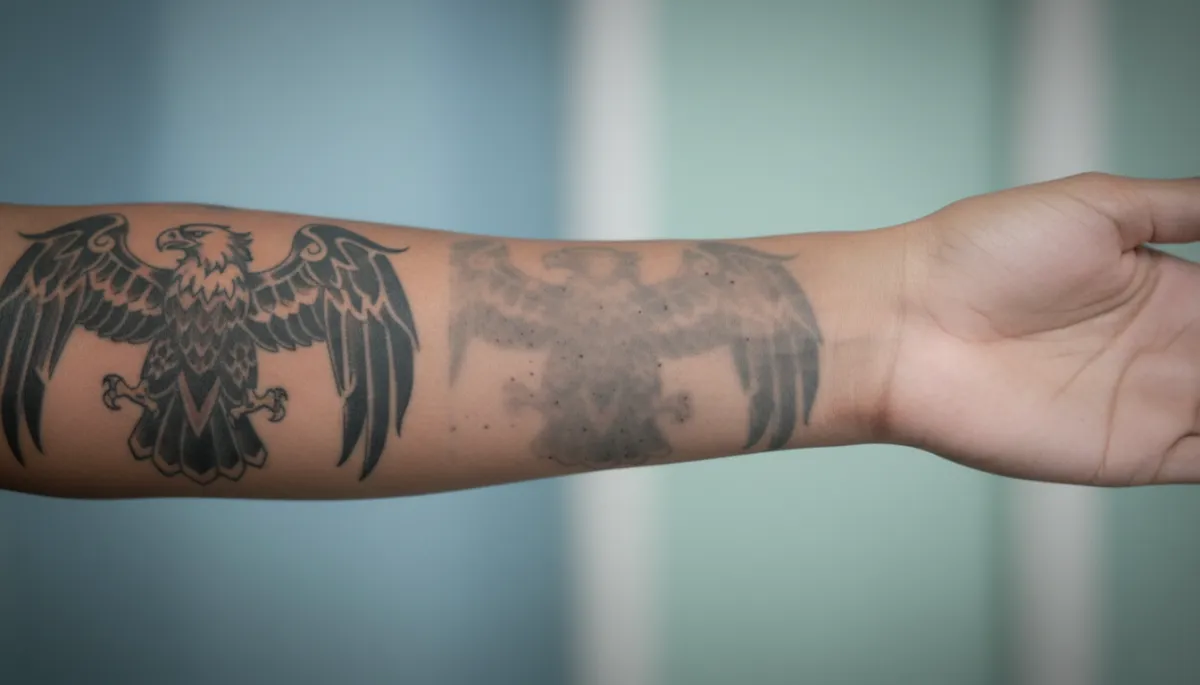
Most people see gradual fading every few Pico sessions rather than sudden disappearance.
3. Professional vs. Amateur Tattoos
Professional tattoos usually contain more ink, placed deeper and more evenly in the skin. This can make them slower to remove, often landing in the higher end of the session range. Amateur or “stick and poke” tattoos might be shallower and use less ink, but they can be patchy and unpredictable, so some areas may clear quickly while others linger.
4. Age of the Tattoo
Older tattoos have already faded somewhat as your body slowly clears ink over the years. As a result, older tattoos may need fewer Pico sessions than very fresh, dense designs. A 15‑year‑old tattoo that is already a bit washed out may respond faster than a bold piece done last year.
5. Your Skin Type and Tone
Pico lasers can be used on a range of skin tones, but the settings must be adjusted carefully. On deeper skin tones, practitioners may use gentler settings or longer intervals to reduce the risk of pigmentation changes. That can sometimes mean more sessions or a slower pace to prioritise safety and even results.
6. Your Immune System and Lifestyle
The laser breaks the ink into smaller particles, but your immune system does the actual clearing. Good overall health, staying hydrated, not smoking, and regular movement to support circulation can all help your body process ink more efficiently between sessions. On the other hand, smoking and poor circulation can slow things down and increase the number of sessions you may need.
7. The Specific Pico Device and Settings Used
Not all Pico lasers are identical. Different brands and models offer different wavelengths and spot sizes, which can affect how efficiently they target various ink colours. An experienced practitioner who understands how to optimise settings for your tattoo can often achieve better clearance in fewer sessions than someone using a “one size fits all” approach.
8. Your End Goal: Total Removal or Just Fading for a Cover‑Up?
If you want your tattoo completely gone, you’ll likely need more Pico sessions than someone who only wants it lightened for a new cover‑up design. Many people choose 3–6 sessions to fade an old tattoo enough for an artist to work over it, rather than aiming for total erasure, which might require 10 or more sessions depending on the design.
💡 Pro Tip: If you’re planning a cover‑up, bring your tattoo artist’s ideas to your laser consultation so you don’t “over‑treat” areas that don’t need to be perfectly clear.
How Often Are Pico Tattoo Removal Sessions Scheduled?
Even though Pico lasers work very quickly on the skin, your body still needs time to recover and clear ink between treatments. Most clinics schedule sessions roughly 6–8 weeks apart, and sometimes longer for larger or more sensitive areas. This spacing helps reduce the risk of scarring and allows your practitioner to see how well your body is responding before adjusting settings.
When you multiply the number of sessions by the gap between them, it becomes clear that tattoo removal is a long‑term process. For example:
6 sessions at 8‑week intervals = roughly 10–12 months
10 sessions at 8‑week intervals = about 18–20 months
Understanding this timeline upfront can help you plan around events, holidays, or a future tattoo appointment if you’re considering a cover‑up.
What Results to Expect After Each Pico Session
Many people expect dramatic changes after the first visit, but tattoo removal is more of a gradual fade than a sudden transformation. A typical journey might look like this:
After 1–2 sessions: You may see mild to moderate lightening, especially in lighter areas of the tattoo, but the design is still clearly visible.
After 3–6 sessions: The tattoo often looks noticeably faded. Some sections may look patchy as denser ink areas catch up with lighter ones.
After 6–10+ sessions: Many single‑colour tattoos are significantly reduced or almost gone. Multi‑coloured or very dense tattoos may still have faint shadows or traces.
Your practitioner should take progress photos so you can compare changes over time. Because you see your tattoo daily, it’s easy to underestimate how much it has faded between visits.
How Your Aftercare Can Affect the Number of Sessions
Good aftercare doesn’t just protect your skin; it can also support better results in fewer sessions. After each Pico treatment, you’ll usually be advised to:
Keep the area clean and dry for the first day or as directed
Avoid picking, scratching, or rubbing the treated skin, even if it scabs or peels slightly
Protect the area from sun exposure using clothing or high‑SPF sunscreen once the skin has healed
Follow any specific cream or cooling recommendations your clinic gives you
Poor aftercare, sunburn, or picking at the area can lead to complications like pigmentation changes or scarring, which may then require additional sessions or limit how aggressively your practitioner can treat the area next time.
⚠️ Warning: If a clinic downplays aftercare or says you can “do whatever you like” after treatment, consider that a red flag. Proper healing is crucial to good results.
Setting Realistic Expectations Before You Start
When you book a consultation for Pico tattoo removal, go in with a clear idea of your goals and questions. Useful things to ask include:
Based on my tattoo, what is your realistic session range?
How often do you treat, and what is the estimated overall timeline?
Do you have before‑and‑after photos of similar tattoos you’ve treated with Pico?
What are the potential limitations in my case (colour, scarring, skin tone)?
A trustworthy provider will be honest if they expect lightening rather than total removal, or if certain colours may persist. They will also explain that everyone’s body responds differently, so your final session count may fall slightly above or below the initial estimate.
The Bottom Line: How Many Pico Sessions Will You Need?
While general ranges are helpful, the honest answer is that your exact number of Pico sessions is unique to you and your tattoo. As a rough guide:
Expect 3–6 sessions for very small, simple tattoos or lightening for a cover‑up.
Plan for 6–10 sessions for many small to medium black or dark tattoos.
Be prepared for 8–15 or more sessions for large, dense, or colourful designs, especially if you want them as close to invisible as possible.
Pico laser technology can make the process more efficient and more comfortable than older methods, but it still requires patience, commitment, and proper care. If you understand the likely session range, the time between treatments, and the importance of aftercare, you’ll be in a much better position to decide whether Pico tattoo removal is right for you—and to stay motivated throughout your journey.
The next step is a personalised consultation with an experienced provider who can examine your tattoo in person, discuss your goals, and give you a tailored treatment plan—complete with a realistic estimate of how many Pico sessions you are likely to need.