Pico laser tattoo removal for large tattoos: complete 2026 guide
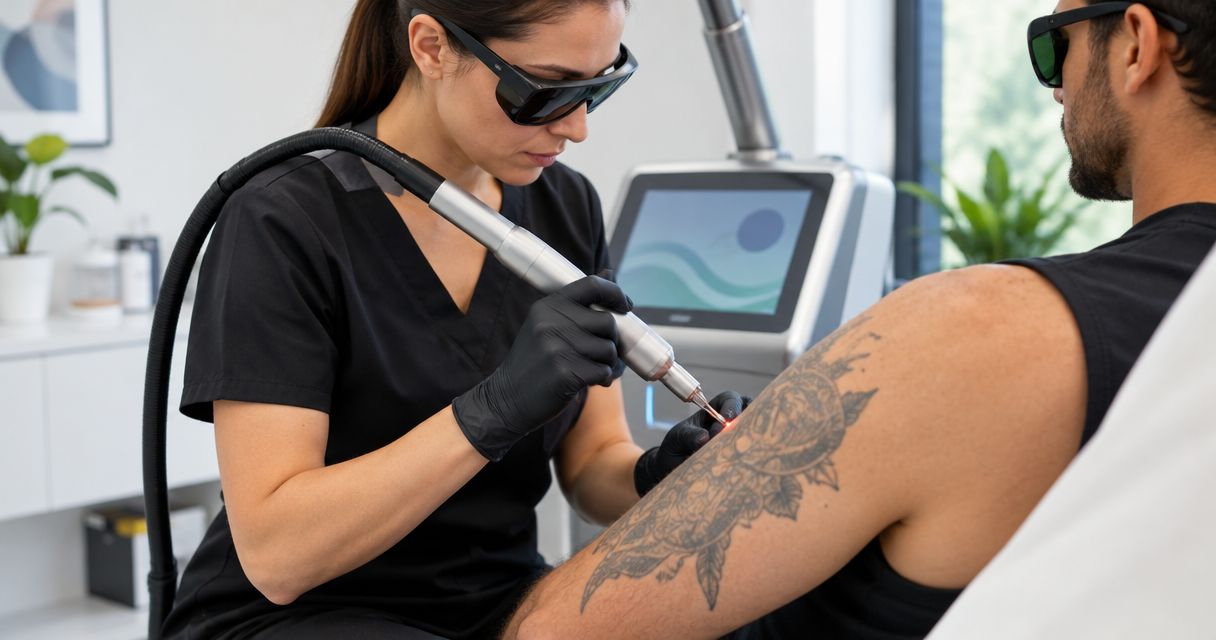
Pico laser tattoo removal for large tattoos uses very short light pulses to break up tattoo pigment, with the aim of fading unwanted ink.[1,2] A sleeve or back piece needs an individual plan, not a promised finish date. Results vary between individuals, and complete clearance is not guaranteed.
- Large tattoos need individual assessment; size alone cannot predict clearance.
- Pico laser tattoo removal requires discussion of ink colours, skin type, recovery and possible side effects.
- LLC Cosmetic Laser Clinics offers medical physicist-led care and clinician-reviewed plans.
Why planning matters for large tattoos
A large tattoo means a larger area to assess and care for. Ink colour, existing scarring, skin type and previous treatment also affect the treatment discussion.[2] Your 2026 plan should start with your goal: fading for a cover-up or attempting removal.
LLC Cosmetic Laser Clinics suits people seeking medical physicist-led tattoo-removal advice without pressure. The Skin Journal guide to pico laser tattoo removal clinics in Brisbane offers a related local starting point.
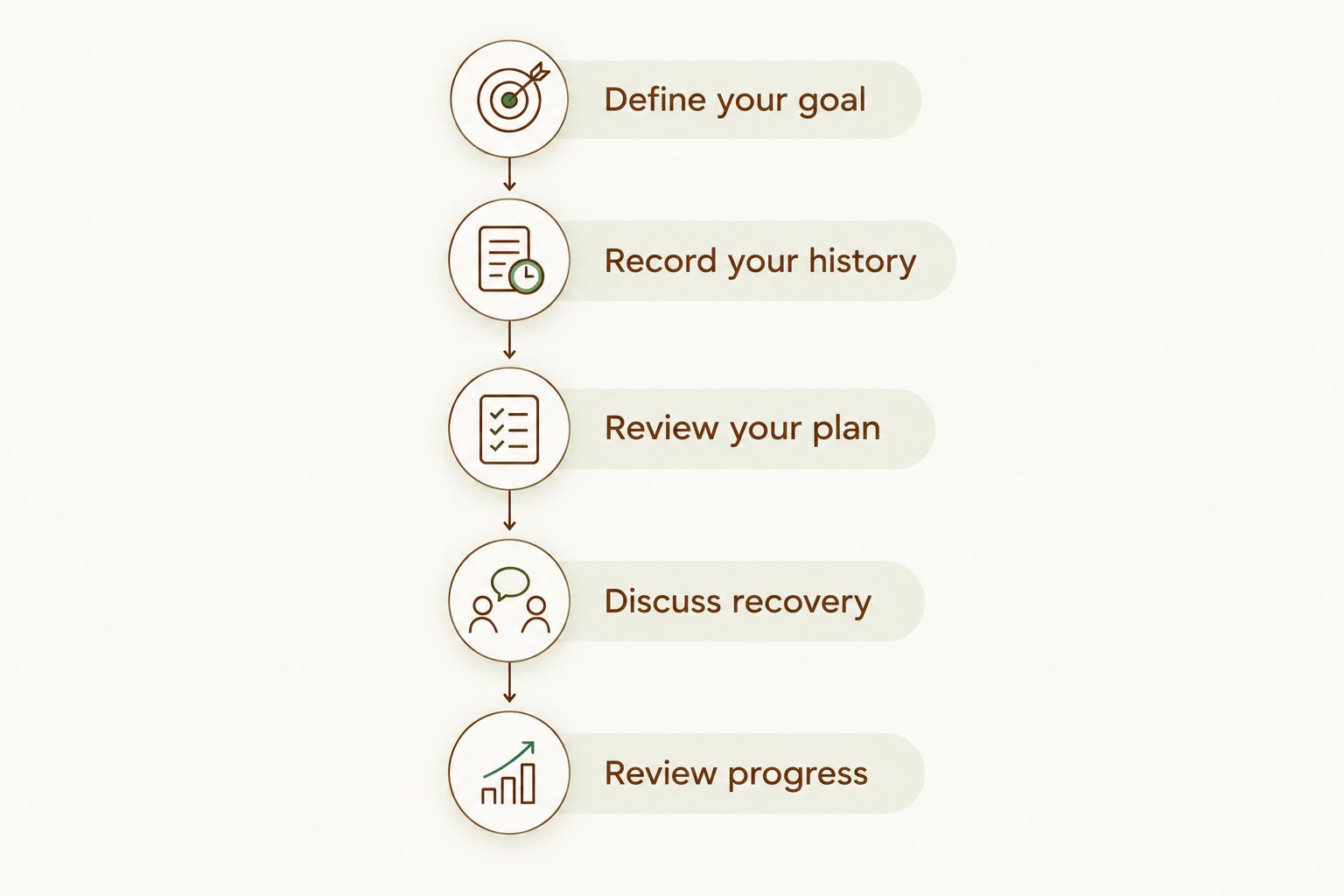
How to plan treatment
Define your goal
Before booking, decide what you want to change. Fading for a cover-up and attempting full removal are different goals; neither comes with a guaranteed outcome.[2]
- Identify the sections you want treated.
- Explain whether you want a cover-up.
- Bring details of previous removal attempts.
Record your tattoo and skin history
Start with notes and clear photographs. A clinician can then assess factors that a photograph alone cannot settle, including skin changes and previous reactions.[2]
- Note known ink colours and tattoo layering.
- List medicines and relevant skin conditions.
- Mention scarring, allergies and recent tanning.
Ask for a clinician-reviewed plan
At LLC Cosmetic Laser Clinics, ask how the proposed plan addresses your tattoo rather than simply asking whether the clinic uses pico technology. Picosecond describes pulse duration; it does not establish that one device suits every ink colour.[1,2]
- Ask which colours are harder to treat.
- Discuss whether to treat separate sections.
- Ask what would trigger a treatment pause.
Discuss recovery before setting dates
Laser tattoo removal can cause pain, redness, swelling, blistering and crusting. Pigment changes and scarring are also recognised risks.[2] Plan your 2026 appointments around recovery advice, not an event deadline.
- Request written wound-care instructions.
- Discuss clothing and work-related friction.
- Ask when to contact the clinic about healing.
Review progress before continuing
Keep dated photographs under similar lighting. A 2026 treatment plan should allow reassessment rather than assume that every area will fade at the same rate.[2]
- Compare healed skin, not fresh redness.
- Report persistent skin changes before treatment.
- Revisit whether the original goal remains realistic.
Which option fits your goal?
Picosecond and nanosecond lasers both target tattoo pigment. Research supports picosecond treatment for some tattoos, but a technology label alone cannot predict an individual's result.[1,2]
| Option | Best for | Main limitation |
|---|---|---|
| Picosecond laser | Discussing targeted fading with very short pulses | Results depend on ink, wavelength and skin response |
| Nanosecond laser | Discussing another established tattoo-removal approach | Some pigments remain difficult to clear |
| Postpone treatment | Taking time to assess suitability and recovery | Does not fade the tattoo |
Choose a treatment plan, not a promise of faster clearance. Ask how the evidence applies to your tattoo, rather than accepting a fixed session count.
Who might need to postpone or seek further advice?
Active infection, inflamed skin, recent tanning, a history of abnormal scarring or a suspected ink allergy need assessment before treatment.[2] Tell your clinician about medicines and health conditions rather than deciding suitability yourself.
Some cosmetic tattoo pigments can darken after laser exposure.[2] Disclose any skin-coloured ink or tattoo corrections. A test area can inform planning, but it cannot guarantee the response of an entire tattoo.
Common mistakes with large tattoos
- Setting a fixed deadline: avoid making a 2026 wedding or job change a promised clearance date.
- Treating every colour alike: different pigments respond differently.[2]
- Skipping recovery planning: consider how you will follow wound-care advice over the treated area.
FAQ
Can pico laser completely remove a large tattoo?
Complete removal is not guaranteed. Ink, skin characteristics and treatment response affect clearance.[1,2]
How many sessions will a sleeve need?
A sleeve needs individual assessment rather than a fixed session promise. Ask for reassessment as treatment progresses.[2]
Is pico laser always better than nanosecond laser?
No single pulse duration predicts every tattoo's result. Ink colour, wavelength and skin response also matter.[1,2]
Does pico tattoo removal hurt?
Laser tattoo removal can be painful. Discuss comfort measures and recovery before proceeding.[2]
Can darker skin have laser tattoo removal?
Darker skin needs careful assessment because pigment changes are a recognised risk. Ask how the treatment plan addresses your skin type.[2]
Can I fade a tattoo for a cover-up?
Fading for a cover-up is a goal you can discuss at consultation. Explain the planned design before deciding which areas to treat.[2]
One last thing
Bring the cover-up idea, not just the unwanted tattoo. A clear goal makes your 2026 consultation more useful.
For personal advice, book your PICO consultation with LLC Cosmetic Laser Clinics. Ask specifically about tattoo-removal suitability.
Related guides
References
- Ross EV et al. 1998. Comparison of responses of tattoos to picosecond and nanosecond Q-switched neodymium:YAG lasers. Archives of Dermatology. DOI: 10.1001/archderm.134.2.167.
- Ho SG, Goh CL. 2015. Laser Tattoo Removal: A Clinical Update. Journal of Cutaneous and Aesthetic Surgery. DOI: 10.4103/0974-2077.155066.
This article is general information only and is not a substitute for a personal consultation.