
Pico Laser for Pigmentation in Queensland
Skin Health, Pico Laser, Pigmentation, Queensland
Pico Laser for Pigmentation, Melasma & Sun Damage in Queensland: What You Need to Know
Living under Queensland’s bright, beautiful sun can take a real toll on your skin. If you’re noticing dark spots, stubborn patches of melasma, or general sun damage, you’re not alone—and you’re certainly not without options. Pico laser technology has quickly become one of the most talked‑about treatments for pigmentation concerns, especially in sun‑soaked climates like ours. Here’s a clear, consumer‑friendly guide to how it works, who it’s for, and what to expect in Queensland conditions.
Why Pigmentation Is So Common in Queensland
Queensland’s lifestyle is built around the outdoors—beaches, weekends on the water, and long sunny days. While it’s wonderful for our wellbeing, it also means our skin is exposed to high levels of UV radiation year‑round. Over time, this can trigger:
Sunspots (solar lentigines): Flat, brown spots on the face, hands, chest and shoulders caused by sun exposure.
Freckles: Often genetic, but they darken and multiply with sun exposure.
Melasma: Patchy, often symmetrical brown or grey‑brown areas, particularly on the cheeks, forehead, nose and upper lip, which can be worsened by UV, heat and hormones.
Even if you’ve been diligent with sunscreen as an adult, early damage from teenage years or childhood can show up later in life. This is why many Queenslanders in their 30s, 40s and beyond start looking for targeted pigmentation solutions like pico laser.
What Is Pico Laser and How Does It Work?
“Pico laser” refers to a class of advanced aesthetic lasers that deliver energy in picoseconds—that’s one trillionth of a second. Instead of relying mainly on heat, pico lasers use extremely short, high‑energy pulses to create a powerful photo‑mechanical effect. In simple terms, the pigment is shattered into tiny particles that your body can naturally clear away over time, while surrounding skin is left relatively undisturbed compared to many older technologies.
Different pico laser systems may use various wavelengths and settings, but they share some key benefits:
Precision targeting of pigment: Ideal for brown spots, freckles, and some forms of melasma when used carefully by trained professionals.
Less downtime than many traditional lasers: Redness and mild swelling usually settle within hours to a couple of days for most people.
Collagen stimulation: The same pulses that break up pigment can also help improve overall skin texture, fine lines and mild scarring.
💡 Pro Tip: “Pico” describes the pulse duration, not a specific brand. Ask your clinic which pico laser platform they use and why it’s suited to your skin.
Pico Laser for Pigmentation: Spots, Freckles and Uneven Tone
For many Queenslanders, the first sign of sun damage is scattered brown marks that make the complexion look uneven or “muddy”. Pico laser can be an effective option for:
Isolated sunspots: These often respond well in a small number of sessions, sometimes even one or two, depending on depth and colour.
Freckles and diffuse pigmentation: Pico laser can help soften dense clusters of freckles and patchy brown areas for a more even tone.
During treatment, you’ll wear eye protection while the clinician moves the handpiece across the skin. Many people describe the sensation as a series of quick, warm “snaps” or elastic band flicks. Numbing cream may be used for comfort, depending on the area treated and your personal tolerance.
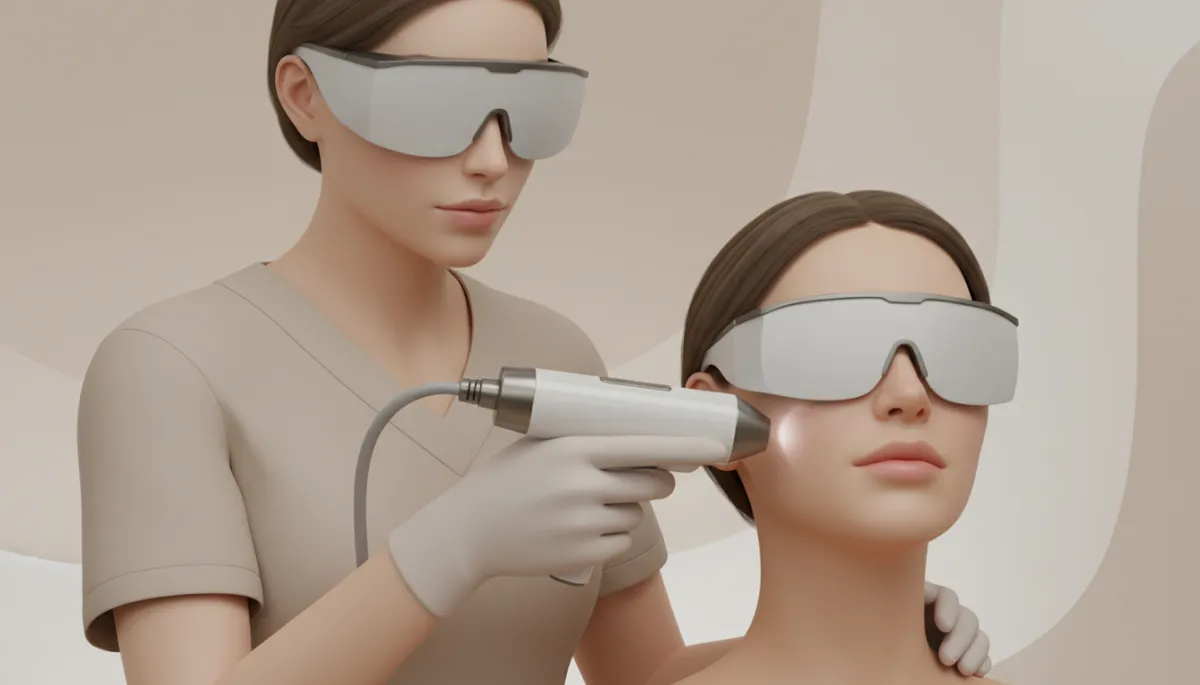
Carefully targeted pico laser pulses can fade sunspots while preserving surrounding skin.
Melasma in Queensland: Can Pico Laser Help?
Melasma is one of the most challenging pigmentation conditions, and it’s particularly common in sunny regions like Queensland. It’s influenced by hormones, genetics, heat and UV exposure, which is why it often appears or worsens during pregnancy, with certain medications, or after time in the sun—even if you’re careful.
Pico laser can sometimes be used as part of a comprehensive melasma management plan, but it’s not a quick fix and it’s not suitable for everyone. In some cases, overly aggressive laser treatment can actually make melasma worse, especially in darker skin tones or when post‑treatment sun protection is poor. This is why an experienced clinician will usually recommend:
A thorough consultation and assessment of your skin type, triggers and history.
A combination approach using topical lightening creams, strict sun and heat protection, and sometimes low‑energy pico laser or other gentle devices.
Realistic expectations—melasma is usually managed and lightened, rather than permanently “cured”.
⚠️ Warning: If you have melasma, avoid impulse treatments or high‑powered lasers without a proper assessment. Queensland’s intense UV can quickly undo progress if aftercare is not followed.
Treating Sun Damage Beyond Pigment: Texture, Dullness and Fine Lines
Sun exposure doesn’t just cause brown spots. Over time, UV breaks down collagen and elastin, leading to rough texture, enlarged pores, fine lines and a general “weathered” look. Pico laser treatments can be tailored to address these broader signs of sun damage by using fractionated or focus lens handpieces that create controlled micro‑injuries in the skin to stimulate new collagen production.
Many Queensland clients appreciate that a series of pico laser sessions can both brighten pigmentation and refresh overall skin quality, giving a clearer, smoother appearance without the extended downtime associated with some older resurfacing lasers or deep peels.
What to Expect Before, During and After Pico Laser in Queensland
Before Your Treatment
A reputable Queensland clinic will start with a detailed consultation. They may take photos, assess your skin type, review your medical history and discuss your lifestyle—especially your level of sun exposure. You might be advised to:
Avoid active tanning and solariums for several weeks beforehand.
Pause certain skincare products like strong retinoids or exfoliating acids a few days prior, if recommended.
Start or continue daily broad‑spectrum SPF 50+ to protect your skin before, between and after sessions.
During the Session
Treatment times vary depending on the area, but most full‑face sessions take around 20–40 minutes. You may feel warmth, tingling and light snapping sensations. Cooling devices or fans are often used to keep the skin comfortable. Afterward, your skin may look slightly pink or flushed, and dark spots can appear more pronounced before they lighten and flake away over the following days to weeks.
Aftercare in a Sunny Climate
Aftercare is especially important in Queensland because UV levels are high even on cloudy days. Your clinician will provide personalised instructions, but common recommendations include:
Strict sun protection: SPF 50+, a wide‑brimmed hat, sunglasses and seeking shade when outdoors.
Gentle skincare: Avoid harsh scrubs and active ingredients until your skin has settled; focus on hydrating, soothing products recommended by your provider.
No picking or scratching: Let any darkened spots shed naturally to reduce the risk of scarring or post‑inflammatory pigmentation.
📌 Key Takeaway: In Queensland, your long‑term results depend as much on daily sun habits as on the quality of your pico laser treatments.
Is Pico Laser Right for You?
Pico laser can be a powerful tool for improving pigmentation, melasma and sun damage, but it’s not a one‑size‑fits‑all solution. Factors your clinician will consider include:
Your skin type and colour: Different settings and approaches are used for lighter and darker skin to reduce risks of unwanted pigment changes.
The type of pigmentation: Sunspots, freckles, post‑inflammatory marks and melasma each behave differently and may need tailored strategies.
Your lifestyle: Outdoor work, sports and frequent beach time are common in Queensland and need to be factored into your treatment plan and timing.
In some cases, your practitioner might recommend starting with topical treatments, chemical peels or other non‑laser options, then introducing pico laser later or using it in combination for enhanced results.
Choosing a Pico Laser Clinic in Queensland
With demand for pigmentation treatments on the rise, more clinics across Brisbane, the Gold Coast, Sunshine Coast and regional Queensland are offering pico laser. When you’re comparing options, look for:
Qualified, experienced providers: Ask who will be performing your treatment and what training they have in laser safety and pigmentation management.
Clear explanations: You should feel comfortable asking questions about the device, expected results, number of sessions and costs before committing.
Realistic advice: Be wary of promises of “instant” or “permanent” results, especially for melasma. Honest practitioners will talk about maintenance and the role of sun protection.
Embracing the Queensland Sun—Safely
Pico laser offers Queenslanders a sophisticated way to tackle pigmentation, melasma and visible sun damage, helping restore a clearer, more even complexion. But it’s only one piece of the puzzle. The most impressive, long‑lasting results come when advanced treatments are combined with everyday habits: diligent SPF, protective clothing, smart timing of outdoor activities and a supportive skincare routine.
If you’re considering pico laser, start with a thorough consultation at a reputable clinic that understands both the technology and the realities of Queensland’s climate. To learn more about the treatment itself, you can also visit the dedicated pico laser treatment page at LLC Cosmetic. With the right guidance, you can enjoy our sunshine while still caring for your skin—so you feel confident, comfortable and truly at home in it for years to come.