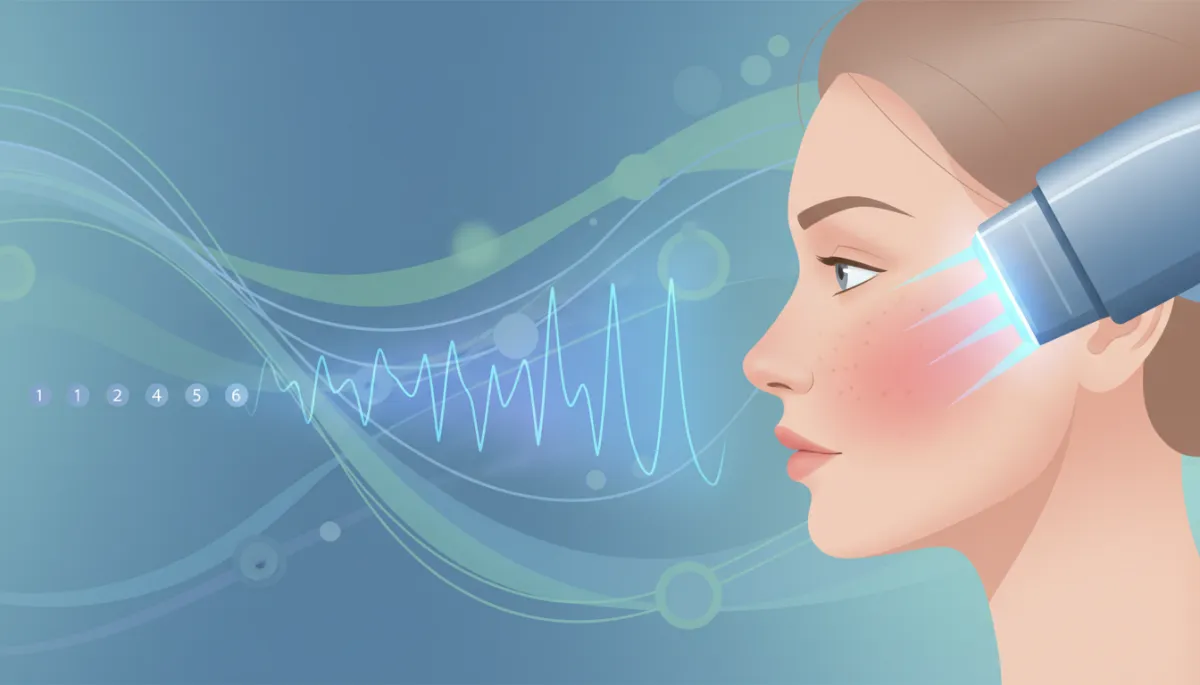
IPL for Rosacea: Effective Treatment Guide
Skincare, Rosacea, IPL Treatment
IPL for Rosacea: How It Works and How Many Sessions You Really Need
If you live with rosacea, you know it is more than just “a bit of redness.” Flushing, visible blood vessels, burning, and bumps can affect your confidence and comfort every single day. Intense Pulsed Light (IPL) treatment has become a popular option for reducing these symptoms. But how exactly does IPL work for rosacea, and how many sessions does it usually take to see real results? This guide breaks it down in clear, consumer‑ friendly language so you can decide whether IPL might be right for you.
What Is IPL and Why Is It Used for Rosacea?
IPL stands for Intense Pulsed Light, a non‑invasive skin treatment that uses broad-spectrum light to target unwanted redness, broken capillaries, and sun damage. Unlike a traditional laser, which uses one specific wavelength, IPL delivers multiple wavelengths of light in quick pulses. This allows it to treat a wider area and several concerns at once, including:
Diffuse facial redness and flushing commonly seen in rosacea
Visible blood vessels (telangiectasia or “broken capillaries”)
Sun spots, age spots, and uneven pigment that often make redness look worse
For rosacea specifically, IPL is not a cure, but it can significantly reduce visible redness and blood vessels, making flare‑ups less noticeable and, for many people, less frequent. It is typically performed by dermatologists or trained medical professionals using FDA‑cleared devices in a clinic setting. To learn more about how we approach redness and sensitivity, explore our dedicated rosacea and redness treatment options.
How IPL Works for Rosacea: A Simple Breakdown
To understand how IPL helps rosacea, it is useful to think of it as a targeted light‑based heating treatment. The device emits pulses of light that are carefully filtered and adjusted based on your skin tone and concerns. Here is what happens during treatment in plain language:
1. Light Seeks Out Redness and Vessels
Rosacea redness and visible vessels contain a lot of hemoglobin, the pigment that makes blood appear red. IPL devices are designed so that their light is strongly absorbed by this red pigment. When the light hits the skin, it passes harmlessly through most tissues but is drawn to areas rich in hemoglobin, like enlarged or leaky facial blood vessels.
2. Heat Gently Damages Problem Vessels
When hemoglobin absorbs the light energy, it converts it into heat. This controlled heat gently damages the walls of the overactive, surface‑level blood vessels that contribute to rosacea redness. The goal is not to burn the skin, but to cause just enough injury to the vessel so that the body recognizes it as unnecessary and begins to break it down and reabsorb it over time.
3. The Body Clears Away Treated Vessels
After treatment, your body’s natural healing processes take over. The damaged vessels collapse, and the body gradually clears them away over the following days and weeks. As a result, the overall redness softens, and individual broken capillaries may fade or disappear. Many people also notice that their skin tone looks more even and calm.
4. Possible Bonus: Support for Collagen and Texture
Some studies suggest that IPL can gently stimulate collagen production in the upper layers of the skin. While this is not its main purpose in rosacea treatment, it may help improve overall skin texture and firmness, which can make redness and pores appear less noticeable.
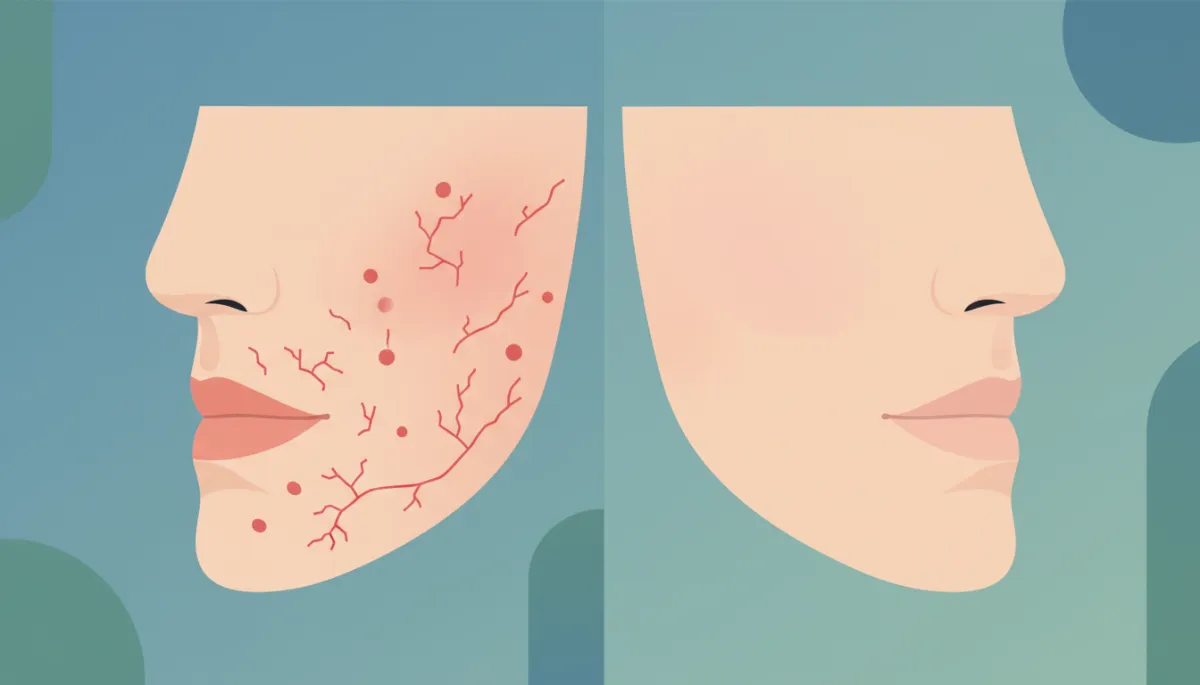
Multiple IPL sessions can gradually soften diffuse redness and visible facial vessels.
What an IPL Session for Rosacea Feels Like
Many people are nervous before their first IPL treatment because they are not sure what to expect. While every clinic is slightly different, a typical session usually follows this pattern:
Your provider cleanses your skin and sometimes applies a cooling gel to help conduct the light and protect the surface of the skin.
You will wear protective goggles to shield your eyes from the bright flashes of light.
The handpiece is placed against your skin, and short pulses of light are delivered. Many people describe the sensation as a quick snap or rubber band flick with warmth.
The entire face usually takes 15–30 minutes, depending on how extensive your redness is and how many areas are treated.
Afterward, your skin may look and feel like a mild sunburn: pink, warm, and slightly puffy. This usually settles over a few hours to a couple of days. Most people return to normal activities right away, though your provider may advise avoiding intense workouts, hot baths, or alcohol for 24 hours to minimize flushing.
💡 Pro Tip: Bring a cool, fragrance‑free moisturizer and a gentle mineral sunscreen to apply after your session if your provider approves. Rosacea‑prone skin is especially sensitive to heat and UV right after IPL.
How Many IPL Sessions Do You Need for Rosacea?
One of the most common questions people ask is, “How many sessions will it take?” While the exact number varies from person to person, most treatment plans follow a similar structure:
Typical Initial Course: 3–5 Sessions
For mild to moderate rosacea, many dermatologists recommend a series of 3–5 IPL sessions, spaced about 3–4 weeks apart. This allows enough time for your skin to heal and for the body to clear away treated vessels between visits, while still building on the results of each session.
Some people start seeing noticeable improvement after the second session, with redness gradually fading and flushing becoming less intense.
The best results often appear a few weeks after the last session in the initial series, once the skin has fully settled.
More Severe Rosacea: 5–7 Sessions or More
If you have more severe redness, extensive visible vessels, or long‑ standing rosacea, your provider may suggest 5–7 or more sessions in the initial course. The intensity of each session might also be adjusted more cautiously to avoid triggering flares, which can mean more visits but a gentler experience overall.
Maintenance Sessions: Keeping Results Over Time
Rosacea is a chronic, relapsing condition, meaning it can flare with triggers like heat, alcohol, spicy food, stress, or sun exposure. IPL can significantly improve how your skin looks, but it does not change your underlying tendency toward redness. For this reason, many people choose to have maintenance IPL sessions after their initial series, usually:
Once every 6–12 months, or
When they notice redness and vessels starting to creep back.
Your ideal schedule will depend on how reactive your skin is, your lifestyle, and how carefully you manage triggers and sun protection between treatments.
Factors That Influence How Many Sessions You Need
While 3–5 sessions is a common starting point, several personal factors can influence how many IPL treatments you will need for rosacea:
Severity and type of rosacea: Diffuse redness with many fine vessels may respond differently than thicker, bumpier skin. IPL is generally most effective for the redness and visible vessel aspects, not for every subtype of rosacea.
Skin tone: IPL is typically safest and most effective on lighter skin tones (often described as Fitzpatrick I–III). Darker skin tones may require more cautious settings, or in some cases, alternative treatments, which can affect the number of sessions and expected results.
Device type and settings: Not all IPL machines are the same. Newer, medical‑grade devices and experienced providers can often achieve better results in fewer sessions by carefully customizing settings to your skin.
Consistency and aftercare: Sticking to the recommended schedule, using gentle skincare, and wearing daily SPF can help you get more out of each session and maintain results longer.
📌 Key Takeaway: Most people with mild to moderate rosacea need around 3–5 IPL sessions, while more severe cases may need additional treatments plus periodic maintenance.
Is IPL for Rosacea Safe, and Who Should Avoid It?
When performed by a qualified professional on the right candidate, IPL is generally considered a safe and low‑downtime option. That said, it is not suitable for everyone. You should always have a thorough consultation, and you may be advised to avoid IPL if you:
Have very dark skin or recent tanning, which increases the risk of pigment changes or burns
Are pregnant, breastfeeding, or taking certain medications that make you photosensitive (like some antibiotics or acne drugs)
Have active infections, open wounds, or severe inflammatory flare‑ups in the treatment area
Possible side effects include temporary redness, swelling, mild bruising, or darkening of small vessels before they fade. More serious complications are rare when treatment is properly performed, but they can include burns or pigment changes, which is why choosing an experienced provider is so important.
Getting the Most from Your IPL Rosacea Treatment Plan
IPL works best as part of a comprehensive rosacea strategy, not a stand‑alone fix. To maximize your results and possibly reduce how many sessions you need, consider:
Using gentle, fragrance‑free skincare and avoiding harsh scrubs or active acids right before and after treatments, unless your provider advises otherwise.
Applying a broad‑spectrum sunscreen (SPF 30 or higher) every day, as sun damage is a major driver of redness and broken capillaries.
Working with your dermatologist on prescription creams or tablets if you also have bumps, pustules, or eye symptoms that IPL alone will not address.
Combining good daily habits with a thoughtfully planned IPL series can make a meaningful difference in how comfortable you feel in your skin. If you are exploring your options, you can also review our clinic’s approach to rosacea and redness treatments to see how IPL fits into a broader care plan.
The Bottom Line: Is IPL Worth It for Rosacea?
IPL is not a miracle cure, and it does require a commitment to multiple sessions and ongoing maintenance. But for many people with rosacea, it offers something powerful: visible, long‑lasting softening of redness and broken vessels that creams and lifestyle changes alone cannot always achieve.
If you are considering IPL, start with a consultation with a board‑ certified dermatologist or experienced medical provider. Ask them:
How IPL works specifically for your type and severity of rosacea
How many sessions they expect you will need in your personal case
What results they typically see in patients like you, and what the costs and downtime look like
Understanding how IPL works and how many sessions you are likely to need helps you go into treatment with realistic expectations—and a clear plan for calmer, more even‑toned skin over time. For more detail on in‑clinic options and supportive care, visit our page on rosacea and redness treatment.