How Many Laser Hair Removal Sessions Needed?
Beauty, Laser Hair Removal
How Many Laser Hair Removal Sessions Do You Actually Need?
If you’re tired of shaving, waxing, or dealing with ingrown hairs, laser hair removal can sound like a dream come true. But once you start researching, one question comes up again and again: how many sessions do you actually need before you can put the razor down for good? This guide breaks down what really affects your session count, what’s realistic to expect, and how to plan your treatment so you get the smoothest possible results for your time and money.

Plan Your Laser Hair Removal Journey
Understand how many sessions you really need for smooth results
The Short Answer: Typical Session Ranges
Most people need 6 to 10 laser hair removal sessions on a given area to see long‑lasting, significant reduction in hair growth. However, that’s a general guideline, not a guarantee. Some people see their ideal results in as few as 4–6 sessions, while others may need 10–12 or occasional top‑ups later on.
Why such a wide range? Because your skin, hair, hormones, and even the type of laser used all play a role. To understand how many sessions you might need, it helps to know how the treatment actually works inside the hair follicle.
Why You Can’t Do It in Just One Session
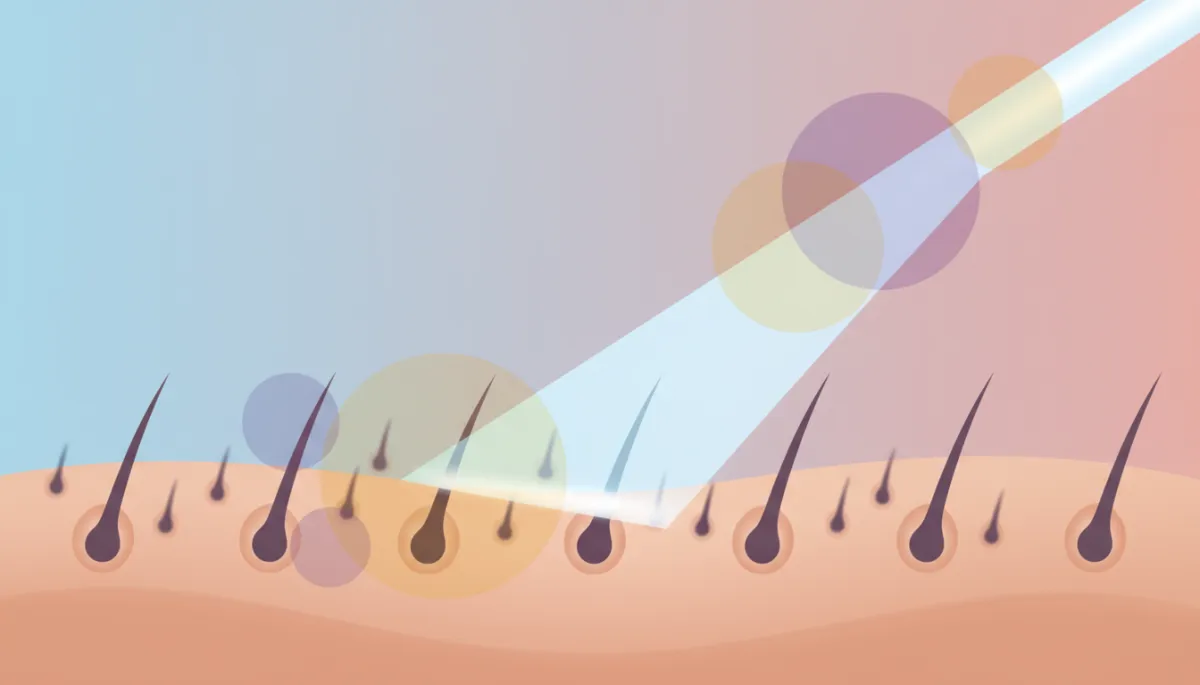
Laser hair removal targets the pigment (melanin) in the hair. The laser energy travels down the hair shaft and heats up the follicle, damaging it so it can’t grow hair as easily or at all. But here’s the catch: the laser is most effective when hair is in the active growth phase (called the anagen phase).
At any given time, only a portion of your hairs are in this active phase. The rest are either resting or shedding. That means one session can only successfully treat a percentage of your follicles. As the weeks go by, new hairs enter the growth phase, and that’s when your next session can target them. This cycle is why clinics schedule treatments several weeks apart and why multiple sessions are essential, not optional.
💡 Pro Tip: If a provider promises “complete permanent removal in one or two sessions,” treat it as a red flag. Reputable clinics are honest about needing a series of treatments.
Typical Session Counts by Body Area
Different parts of the body respond differently to laser hair removal. Growth cycles, hair thickness, and hormone sensitivity all vary from area to area. Here’s a general idea of how many sessions people commonly need, assuming you’re using a modern medical‑grade laser and following the recommended schedule:
Underarms: 6–8 sessions, often spaced 4–6 weeks apart. Hairs here are usually coarse and respond well, so you may see big changes early on.
Bikini or Brazilian: 6–10 sessions. This area is hormone‑sensitive, so some people need more sessions or occasional maintenance visits over time.
Legs (full or half): 6–10 sessions. Legs tend to show impressive reduction, but because the surface area is large, it can take more time to treat thoroughly.
Face (upper lip, chin, jawline): 8–12 sessions. Facial hair is more influenced by hormones and can be finer, so it often needs more patience and consistency.
Back and chest: 8–10 sessions. These areas can have dense, coarse hair and may require more passes and more sessions overall.
These ranges are averages, not rules. Your provider should adjust recommendations based on your starting point and how your hair responds after the first few visits.
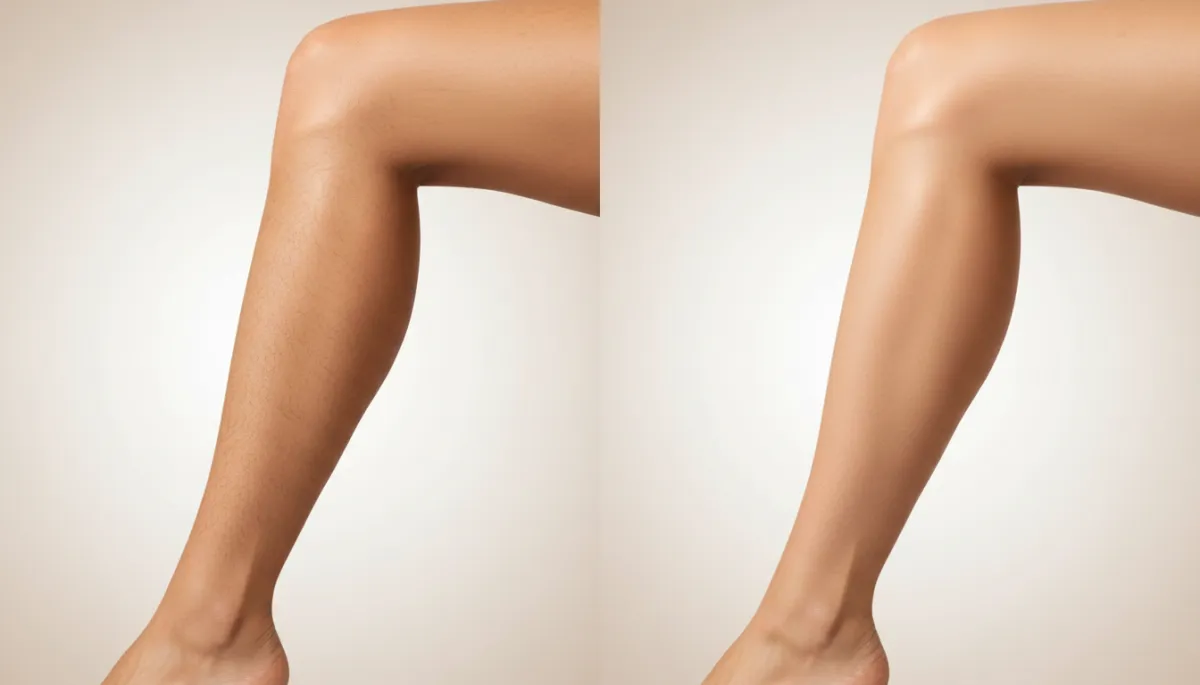
Most clients notice visibly thinner, patchier regrowth after just a few sessions.
What Actually Influences How Many Sessions You Need?
1. Your Natural Hair and Skin Type
Laser hair removal works best when there’s a high contrast between the color of your hair and your skin. Traditionally, the “ideal” candidate was someone with light skin and dark, coarse hair. Today’s newer lasers can treat a much wider range of skin tones safely, but the basic principle still applies: the more pigment in the hair and the less in the surrounding skin, the easier it is for the laser to focus on the follicle.
Dark, coarse hair: usually responds quickly and may need fewer sessions within the typical range.
Fine or light hair (blonde, red, gray): has less pigment, so it can be harder for the laser to “see.” You may need more sessions, and in some cases, results may be more modest.
This is why a proper consultation is so important. A trained practitioner will look closely at your hair and skin and recommend a realistic plan, not a one‑size‑fits‑all promise.
2. Hormones and Genetics
Hormones have a huge impact on hair growth. Conditions like PCOS (polycystic ovary syndrome), thyroid issues, or simply your genetic tendency toward thicker body hair can mean you’ll need more sessions and possible maintenance over time, especially on hormone‑sensitive areas like the face, chest, and bikini line.
That doesn’t mean laser hair removal won’t work for you—it often still makes a huge difference—but it does mean your provider may suggest a longer treatment plan or remind you that occasional top‑ups are likely in the future.
3. The Type and Quality of Laser Used
Not all devices are created equal. Medical‑grade lasers used in reputable clinics are more powerful, more precise, and often require fewer sessions than cheaper, low‑energy devices or at‑home gadgets. Common technologies include Alexandrite, Diode, and Nd:YAG lasers, each suited to different skin tones and hair types.
If you’re comparing prices between clinics, remember that a slightly higher cost per session with an effective device may mean fewer sessions overall, saving you time and money in the long run.
4. How Consistent You Are With Appointments
Sticking to the recommended schedule—usually every 4–8 weeks depending on the area—is key. If you stretch your sessions out too far, you might miss the ideal growth phase for many hairs, which can slow your progress and increase how many treatments you need overall.
📌 Key Takeaway: Your body area, hair type, hormones, and the device used all influence your final session count. What worked for your friend may not be identical for you.
What Results to Expect After Each Stage of Treatment
After 1–2 Sessions
Many people notice that hair grows back more slowly and feels softer. You might see patchy areas where hair doesn’t return between sessions. However, you will still have visible hair, and shaving or trimming is usually still needed. This is the “getting started” phase, not the final result.
After 3–6 Sessions
This is when most people see the biggest change. Hair becomes thinner, lighter, and more sparse. You may find you can go much longer between shaves, and some areas might appear almost hair‑free. For smaller areas like underarms, some clients are already very happy at this stage, though a few more sessions usually help “perfect” the result.
After 6–10+ Sessions
At this point, you should see significant, long‑term reduction—often 70–90% less hair in the treated area. The hairs that do grow back are usually fine and light. Some people stop here and simply enjoy far less maintenance, while others opt for an extra session or two to target any remaining stubborn patches.
Will You Ever Need Maintenance Sessions?
The term “permanent hair reduction” is more accurate than “permanent hair removal.” Once a follicle is sufficiently damaged, it’s unlikely to grow thick hair again—but your body can still develop new follicles over time, especially under hormonal influence or simply as part of aging.
Many people choose to have a maintenance session once or twice a year on areas like the bikini line, underarms, or face to keep things as smooth as possible. These appointments are usually much quicker and easier than the initial series, because there’s far less hair to treat.
How to Plan Your Laser Hair Removal Journey
Start with a consultation. A reputable clinic will review your medical history, assess your hair and skin, and give you a personalized estimate—often a range like “around 8 sessions” rather than a fixed promise.
Commit to the schedule. Add appointments to your calendar in advance so you don’t stretch out gaps between treatments and slow your progress.
Follow pre‑ and post‑care instructions. Avoid waxing or plucking between sessions (shaving is usually fine), protect your skin from the sun, and use soothing products recommended by your practitioner. Healthy skin responds better and may need fewer sessions.
Track your progress. Take photos before you start and every few sessions. It’s easy to forget how much hair you had when you first walked in, and photos make your results much clearer.
So, How Many Sessions Will You Actually Need?
While no one can give you an exact number without seeing your skin and hair, you can use these guidelines as a realistic starting point:
Expect around 6–10 sessions for most body areas.
Facial and hormone‑sensitive areas may need 8–12 sessions plus occasional maintenance.
Dark, coarse hair on lighter skin often needs fewer sessions within those ranges, while finer or lighter hair may need more.
The most important thing is to go in with informed expectations. Laser hair removal is not an overnight miracle, but a gradual process that pays off over months. With the right provider, technology, and treatment plan, those multiple sessions add up to dramatically smoother skin, less daily maintenance, and more confidence in your own body—without the constant battle of razors and wax strips.
If you’re considering starting, book a consultation, ask honest questions about how many sessions you’re likely to need, and choose a clinic that values transparency over quick, unrealistic promises. Your future self—stepping out of the shower with effortlessly smooth skin—will be glad you did.