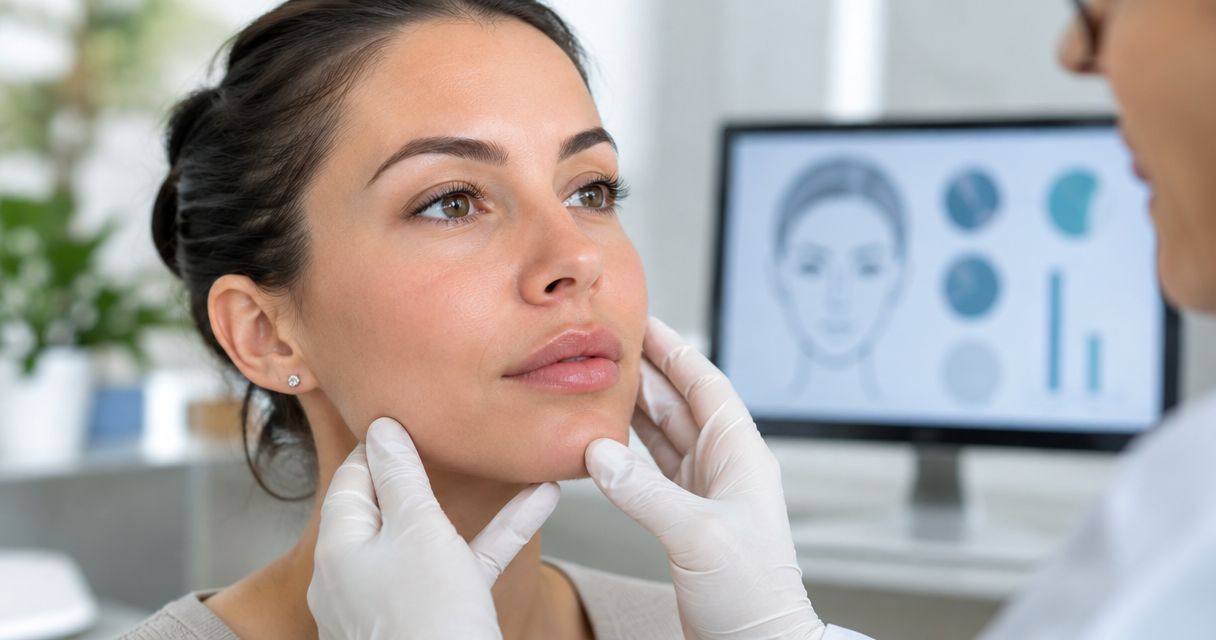
How long does swelling last after dermal fillers?
Swelling after dermal fillers usually improves over several days, but some swelling lasts longer, depending on the treatment and your individual response. Swelling that persists, returns after settling, or comes with worsening pain or skin colour changes needs clinical assessment—not a longer wait at home. Results vary between individuals.[1,2]
- How long does dermal filler swelling last? Usually several days, but recovery varies between individuals.
- Worsening pain, unusual skin colour or vision changes need urgent assessment.
- Follow your treating clinician’s aftercare; do not massage swelling unless instructed.
- LLC Cosmetic Laser Clinics supports clinician-reviewed plans and honest suitability advice, without guaranteed recovery dates.
How long does swelling last after dermal fillers?
Several days is a general guide, not a deadline. Published clinical reviews describe swelling as a common early reaction, while also recognising persistent and delayed swelling as separate problems that need assessment. Evidence does not support one recovery timetable for every treatment area and person.[1,2]
| Pattern | What to do |
|---|---|
| Early swelling that is gradually improving | Follow your clinician’s aftercare and agreed review plan. |
| Swelling that persists or returns | Contact your treating clinician for assessment. |
| Swelling with worsening pain or unusual skin colour | Seek urgent clinical assessment. |
| Any sudden vision change | Seek emergency medical care immediately. |
These patterns help you decide when to seek help. They cannot diagnose the cause of swelling.[1,2]
For questions to ask before treatment, see the Skin Journal’s guide to a consultation and clinician-reviewed treatment plan.
Why this matters
A puffy appearance alone cannot tell you whether recovery is progressing normally. Pain, skin colour, timing and whether symptoms are improving all matter.[1,2]
Do not use an online recovery calendar to dismiss a new symptom. Rare complications include a blocked blood vessel, which requires urgent treatment.[1,2]
Why does swelling vary?
Clinical reviews identify several factors that influence swelling and other reactions:[1–3]
- Treatment area: different facial tissues respond differently.
- Injection technique: tissue handling and injection depth affect reactions.
- Material used: different materials have different properties.
- Individual history: previous reactions, allergies and medical conditions matter.
- Type of reaction: early inflammation differs from infection or a delayed inflammatory reaction.
Inflammation is your body’s response to tissue irritation—rather like an alarm system switching on. That explanation does not mean every swollen area is harmless. A clinician needs to assess symptoms that do not follow the expected recovery pattern.[1,2]
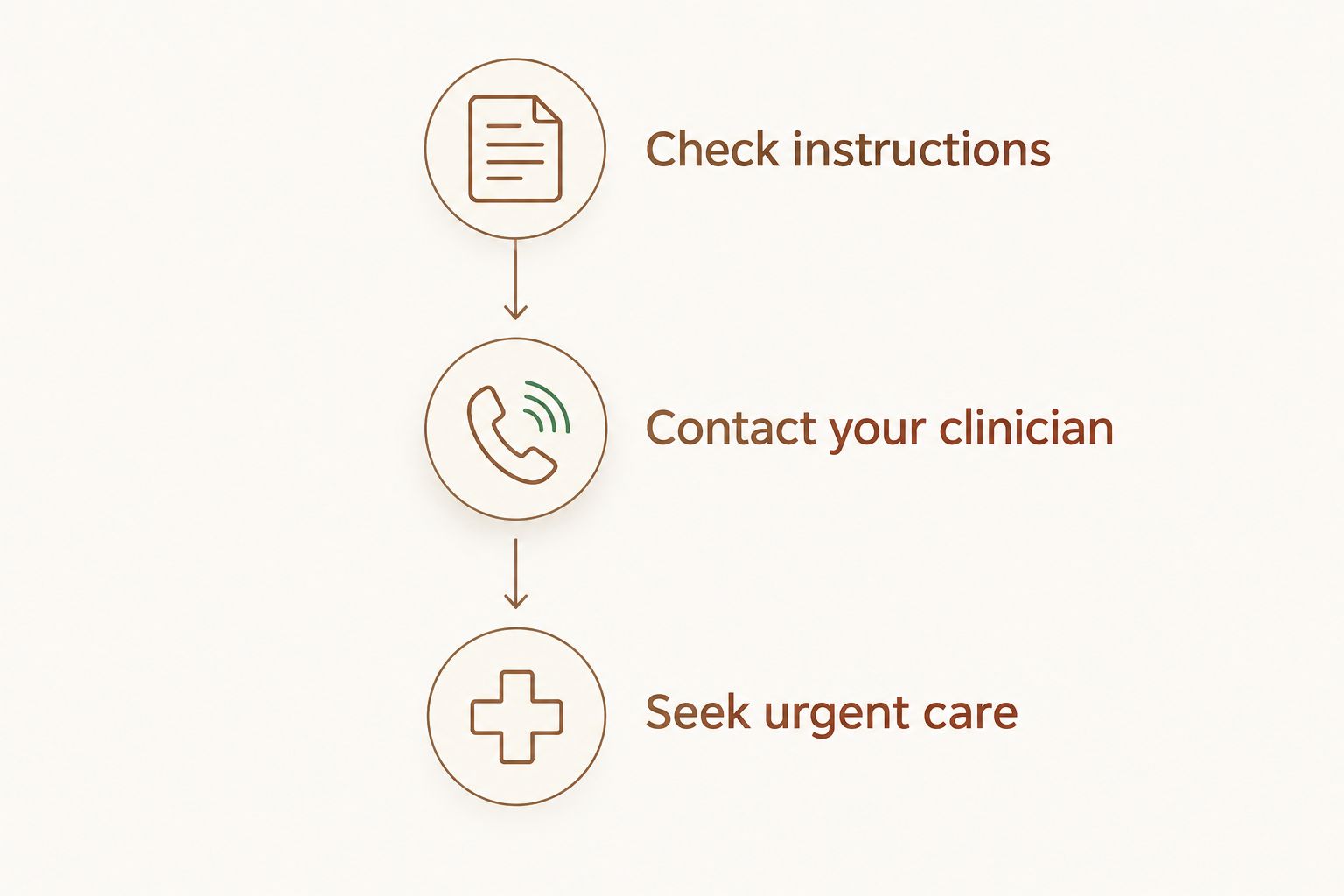
What should you do while swelling settles?
Start with your treating clinician’s written instructions. Do not copy massage techniques or medicine advice from social media: management depends on the treatment and the cause of swelling.[1,2]
- Check instructions: follow the aftercare and review plan you received.
- Contact your clinician: report persistent, returning or worsening swelling.
- Seek urgent care: act immediately on unusual skin colour, significant worsening pain or vision changes.
Who needs extra suitability advice?
Before treatment, tell your clinician about previous filler procedures, allergies, medicines and any earlier reaction. Active infection or inflammation around the proposed treatment area needs assessment before proceeding.[3]
Common reactions include swelling, bruising, redness and tenderness. Less common complications can be serious, so a suitability discussion should cover risks as well as the change you hope to achieve.[1–3]
LLC Cosmetic Laser Clinics is medical physicist-led. That describes the clinic’s leadership; it does not mean every consultation or treatment is personally performed by a medical physicist.
FAQ
Is swelling straight after dermal fillers normal?
Early swelling is a recognised reaction after dermal fillers. Worsening pain, unusual skin colour or vision changes need urgent assessment rather than reassurance online.[1,2]
Can swelling come back after it has settled?
Yes, delayed swelling is a recognised complication. Contact your treating clinician because the cause and treatment differ from routine early swelling.[1,2]
Should I massage a swollen area?
Only massage if your treating clinician specifically instructs you to. Management depends on the treatment and the cause of swelling.[1,2]
Does swelling mean I have an infection?
Swelling alone does not establish an infection. Increasing redness, warmth, pain or other concerning symptoms need clinical assessment.[1,2]
Can I judge my final result while I am swollen?
Early swelling can affect the appearance of the treated area. Discuss the appropriate review point with your clinician rather than judging the result immediately.[1,2]
What if my vision changes after treatment?
Seek emergency medical care immediately for any sudden vision change after facial filler treatment. Do not wait for a routine follow-up appointment.[1,2]
One last thing
Swelling is a symptom, not a diagnosis. The useful question is not just how long it has lasted, but whether it is improving and what else you are noticing.[1,2]
LLC Cosmetic Laser Clinics suits people seeking medical physicist-led care and honest suitability advice. For personal advice, contact the clinic to arrange a consultation; urgent symptoms need urgent medical assessment instead.
Related guides
References
- Signorini M, Liew S, Sundaram H, et al. 2016. Global Aesthetics Consensus: Avoidance and Management of Complications from Hyaluronic Acid Fillers. Plastic and Reconstructive Surgery. DOI: 10.1097/PRS.0000000000002184.
- Urdiales-Gálvez F, Delgado NE, Figueiredo V, et al. 2018. Treatment of Soft Tissue Filler Complications: Expert Consensus Recommendations. Aesthetic Plastic Surgery. DOI: 10.1007/s00266-017-1063-0.
- De Boulle K, Heydenrych I. 2015. Patient factors influencing dermal filler complications: prevention, assessment, and treatment. Clinical, Cosmetic and Investigational Dermatology. DOI: 10.2147/CCID.S80446.
This article is general information only and is not a substitute for a personal consultation.