
HIFU vs RF vs Thermage: Best Skin Tightening?
Skin Tightening, HIFU, Fractional RF, Thermage, Anti-Ageing
HIFU vs Fractional RF vs Thermage: Which Skin Tightening Treatment Is Best?
Considering a skin tightening treatment but confused by all the options? HIFU, Fractional RF and Thermage are three of the most talked‑about technologies for lifting, firming and softening wrinkles without surgery. This guide breaks down how each works, what results to expect, and how to decide which might be best for your skin, goals and budget.
What Does “Skin Tightening Treatment” Actually Mean?
As we age, our skin gradually loses collagen and elastin, the proteins that keep it firm, bouncy and lifted. Sun exposure, stress, weight changes and genetics all speed this up. A skin tightening treatment is any procedure that safely heats the deeper layers of the skin to trigger new collagen production, leading to a gradual tightening and smoothing effect over time.
HIFU, Fractional RF and Thermage all work on this basic principle, but they use different types of energy, reach different depths and feel different on the skin. That’s why one person might rave about HIFU, while another swears by Thermage. Understanding the differences is the first step to choosing the best treatment for you.
HIFU: Focused Ultrasound for Lifting and Definition
HIFU (High‑Intensity Focused Ultrasound) uses concentrated ultrasound energy to create tiny points of heat deep below the skin’s surface. Unlike many other devices, HIFU can target the same foundational layer that surgeons address during a facelift, without cutting or needles.
How it works: Ultrasound energy is focused at precise depths, creating controlled “thermal coagulation points.” Your body responds by producing fresh collagen over the following months, gradually tightening and lifting the area. Collagen is slow and steady – it typically takes around 8–12 weeks, and often up to 4–6 months, for this new collagen to mature and fully “shrink‑wrap” the tissues into their firmer position.
Best areas: Lower face, jawline, chin, neck and décolletage. It’s especially popular for soft jowls and mild double chins.
Results: Some people see a subtle “tight” feeling straight away, but the main improvement builds slowly over 2–6 months as collagen remodels. Results can last around a year or more, depending on age and lifestyle.
Downtime: Very minimal. You may have mild redness, tingling or tenderness for a few hours or days, but most people go back to normal activities immediately.
💡 Good candidates for HIFU: People in their 30s to early 50s with mild to moderate sagging who want a subtle “lifted” look rather than a dramatic change. Because collagen takes months to rebuild, it’s ideal if you can plan ahead and allow plenty of time before important events.
By 2026, newer HIFU platforms are increasingly focused on improving comfort, precision and treatment speed, making the procedure more tolerable and efficient for patients. Most protocols allow HIFU to be repeated roughly every 6–12 months for maintenance, but in some cases and with certain machines, smaller “top‑up” sessions can be safely performed as often as every 3 months, provided the skin has healed and your practitioner feels it is appropriate.
📅 Event planning with HIFU: If you have a wedding, reunion or photoshoot, aim to have your HIFU treatment at least 3–6 months before the big day so collagen has time to rebuild and your results can peak.
Fractional RF: Texture, Pores and Tightening in One
Fractional RF (Radiofrequency) delivers radiofrequency energy in a grid of tiny “fractions,” leaving surrounding skin untouched. Many modern devices combine RF with microneedling, where ultra‑fine needles create controlled micro‑injuries and deliver heat directly into the dermis. This dual action can tighten, smooth and refine the skin’s surface at the same time.
How it works: Tiny columns of controlled heat and micro‑injury stimulate collagen and elastin. Because the energy is fractional, healing is faster and safer than fully ablative treatments like deep peels or some lasers.
Best areas: Face, neck and sometimes body areas with crepey skin, acne scars, enlarged pores or fine lines. It’s excellent for people who want both tightening and texture improvement.
Results: You’ll often notice smoother, more refined skin within a few weeks, with tightening and scar softening continuing over 3–6 months as collagen builds. Most people need a series of sessions, usually 3–4 treatments spaced a few weeks apart.
Downtime: Expect redness, mild swelling and tiny pinpoint marks or roughness for a few days, similar to a sunburn or light peel. Makeup can usually be worn after 24 hours, depending on your provider’s advice.
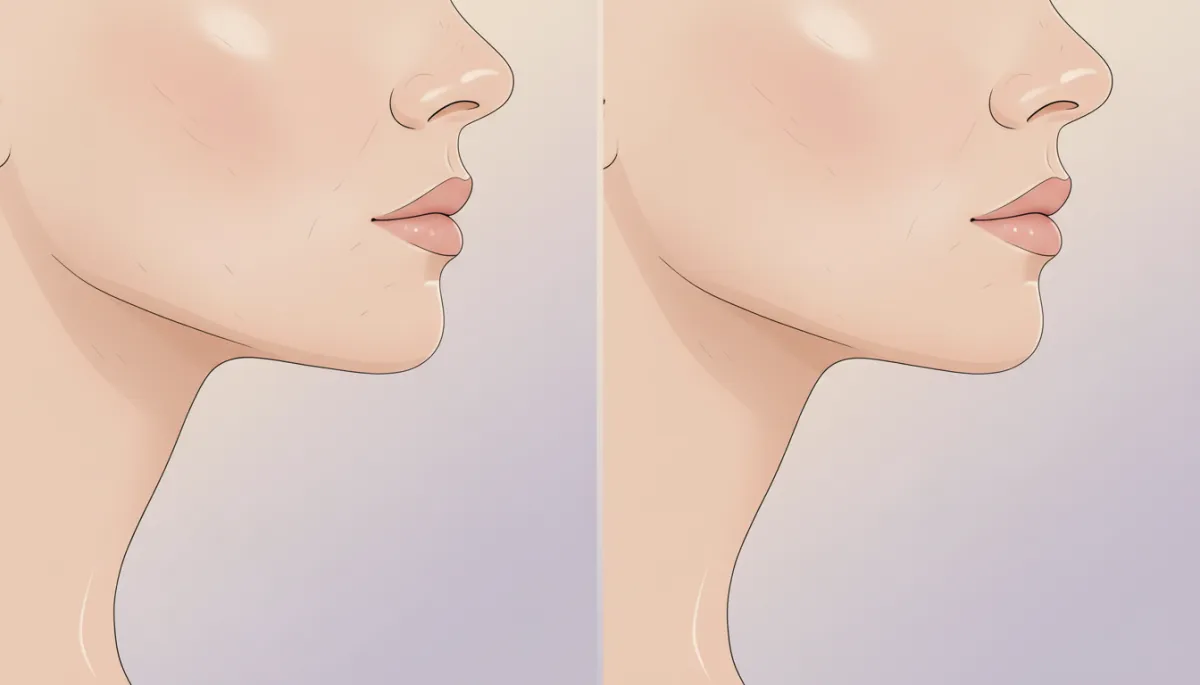
Gradual collagen rebuilding can refine texture and subtly lift contours over several months.
💡 Good candidates for Fractional RF: People with early sagging plus concerns like acne scars, rough texture, fine lines or enlarged pores who can manage a few days of social downtime.
Thermage: The Radiofrequency “Gold Standard” for Firming
Thermage is a well‑established monopolar RF system that has been used for non‑surgical skin tightening for many years. The latest platform, Thermage FLX, is designed to deliver energy more evenly and comfortably using real‑time feedback on the skin’s resistance. Large clinical series still consider it a “gold standard” for treating mild‑to‑moderate laxity, especially on the lower face and neck.
How it works: Monopolar RF energy heats the deeper dermis and fibrous tissue, causing existing collagen to contract and stimulating new collagen over time. The FLX system adjusts energy delivery based on feedback from the skin, aiming for consistent heating and better comfort.
Best areas: Lower face, jawline, neck, and sometimes the eye area and body (such as abdomen or thighs) for mild laxity and crepiness.
Results: Many people notice a subtle tightening soon after treatment, with further improvement over 3–6 months as new collagen forms. Studies show effects can still be visible at 6 months and beyond. Usually, only one session is needed, though some choose to repeat yearly for maintenance.
Downtime and safety: Redness and mild swelling are common and usually short‑lived. Clinical data show most side effects are mild and temporary, such as erythema, edema or small blisters, with serious complications being rare and often linked to device misuse or malfunction.
💡 Good candidates for Thermage: Men and women with mild to moderate laxity who prefer a single, more intensive session rather than a course of treatments.
Comparing HIFU, Fractional RF and Thermage at a Glance
Feature | HIFU | Fractional RF | Thermage |
|---|---|---|---|
Primary benefit | Lifting and contouring | Texture + tightening | Overall firming |
Invasiveness | Non‑invasive, no needles | Minimally invasive (with needles) | Non‑invasive |
Sessions | 1 session, then yearly maintenance | 3–4 sessions, then maintenance | Usually 1 session |
Downtime | Minimal | A few days of redness/marks | Minimal to mild |
So, Which Skin Tightening Treatment Is “Best”?
There is no single “best” treatment that suits everyone. The right choice depends on:
Your main concern: If lifting and definition are the priority, HIFU or Thermage may be more suitable. If you also want to improve texture, scars or pores, Fractional RF could be a better fit.
Your tolerance for downtime: If you need to be back in public straight away, HIFU or Thermage are usually easier. If you can handle a few “red” days, Fractional RF offers more resurfacing benefits.
Your budget and timeline: Fractional RF often involves multiple lower‑cost sessions, while HIFU and Thermage tend to be higher cost per visit but may require fewer treatments.
📌 Key takeaway: The best skin tightening treatment is the one that matches your concerns, your lifestyle and is performed by an experienced, well‑trained practitioner using high‑quality, well‑maintained equipment.
How to Choose Safely and Get the Most from Your Treatment
Whatever option you lean towards, a thorough consultation is essential. Here’s how to approach it as an informed consumer:
See a qualified professional. Look for a dermatologist, plastic surgeon or experienced aesthetic doctor or nurse. Ask how many HIFU, Fractional RF or Thermage treatments they perform each month and request to see before‑and‑after photos of patients with similar concerns and skin types.
Be honest about your expectations. Non‑surgical treatments tighten and refresh; they do not replace a facelift. A good provider will explain what is realistic for your age, skin quality and degree of laxity, and may recommend combining treatments with skincare, injectables or lifestyle changes for best results.
Discuss risks and aftercare. Ask about possible side effects, how to minimise them, and what to do if you notice anything unusual. While serious complications are uncommon, especially with modern devices, knowing the warning signs helps you act quickly if needed.
🗓️ Planning your timeline: Because collagen remodelling is gradual, try to schedule any skin tightening course several months before major life events. For example, start Fractional RF 4–6 months ahead (to complete your series), and book HIFU or Thermage at least 3–6 months in advance so your skin can show its best results on the day.
Final Thoughts: Making a Confident Choice
HIFU, Fractional RF and Thermage all offer effective, clinically supported ways to tighten and rejuvenate the skin without surgery. HIFU excels at deeper lifting, Fractional RF shines when you want both tightening and smoother texture, and Thermage remains a trusted option for overall firming with long‑standing safety data.
Instead of searching for a universal “best,” focus on the best match for you: your skin, your goals, your tolerance for downtime, and your budget. Partnering with a skilled practitioner and having realistic expectations will do more for your results than any single brand name on its own.
If you’re ready to explore your options, book a consultation, bring your questions, and don’t be afraid to ask for time to think before deciding. Thoughtful planning now can help you enjoy firmer, fresher‑looking skin for years to come.