Does PICO Laser Hurt? Real Treatment Experience
Beauty, PICO Laser, Skin Treatments
Does PICO Laser Hurt? What It Really Feels Like During Treatment
Thinking about PICO laser for pigmentation, acne scars, or tattoo removal but worried about the pain? You are not alone. This guide breaks down, in plain language, what PICO laser actually feels like so you can walk into your appointment with realistic expectations and much less anxiety.
So, Does PICO Laser Hurt?
The honest answer is: PICO laser is usually uncomfortable, but tolerable for most people. It is not the deep, burning pain many people imagine when they hear the word “laser.” Instead, it is more often described as a series of quick, sharp sensations that come and go in milliseconds.
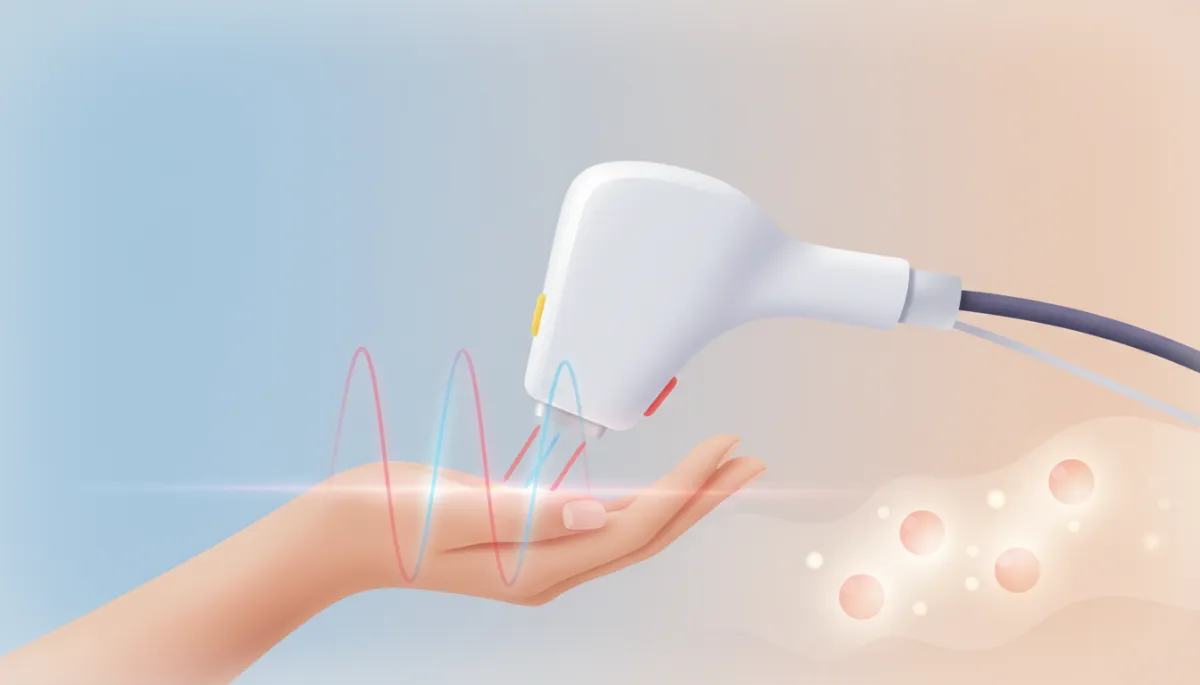
PICO technology delivers energy in trillionths of a second (picoseconds). Because the pulses are so fast, they shatter pigment or ink particles mechanically rather than relying mainly on heat. That is why PICO lasers are generally less painful and gentler on the skin than many older, traditional lasers that use longer pulses and more heat.
📌 Key takeaway: Expect discomfort similar to repeated tiny snaps on the skin, not a long, burning sensation.
What PICO Laser Actually Feels Like: Sensations You Can Expect
Everyone’s pain tolerance is different, but when you ask people who have had PICO laser what it feels like, you hear the same descriptions again and again. Here is how most clients explain it in everyday terms:
“Like tiny rubber band snaps” – quick, sharp flicks against the skin that disappear almost immediately.
“A light prickling or stinging” – similar to static electricity or very quick pinpricks.
“Warm but not burning” – you may feel warmth on the treated area, but it is usually not an intense burn.
Many people say the anticipation is actually worse than the treatment itself. Once the first few pulses are delivered, you quickly understand the sensation and your body adjusts. Sessions are also surprisingly fast, often lasting 10–20 minutes for smaller areas, so the discomfort is short-lived.
Does It Hurt the Same for Everyone?
Not exactly. Several factors shape how PICO laser will feel for you personally. Understanding these helps set realistic expectations and reduce fear before your appointment.
1. The area of the body being treated
Some areas are naturally more sensitive than others because the skin is thinner or there are more nerve endings. For example:
Face and cheeks: usually very manageable, often described as mild to moderate discomfort.
Upper lip and around the mouth: more sensitive; people may feel sharper snaps here.
Hands and fingers: can feel stingier due to thinner skin.
Tattooed areas: often feel more intense than general pigmentation treatments because the laser is targeting dense ink.
2. Your individual pain tolerance and anxiety level
If you are someone who finds eyebrow threading or waxing extremely painful, you might rate PICO laser a bit higher on the discomfort scale than someone who handles those easily. Anxiety also plays a big role: when you are tense, every sensation can feel amplified. Taking a few deep breaths and reminding yourself that each pulse lasts only a fraction of a second can make a noticeable difference.
3. The settings your practitioner uses
PICO lasers are highly adjustable. Your practitioner can change the energy level, spot size, and number of passes depending on your skin type, concern, and comfort. For first-timers, many clinics start with gentler settings and gradually increase intensity over later sessions as needed and as you become more comfortable with the feeling.
💡 Pro Tip: Be honest during your consultation about your pain tolerance and any past experiences with lasers or waxing. This helps your provider tailor the settings for you.
Step-by-Step: What You Feel Before, During, and After a PICO Session
Before the treatment: Numbing and cooling options
Most reputable clinics do not expect you to “tough it out.” To keep you comfortable, they often use one or more of the following:
Topical numbing cream: Applied 20–40 minutes before treatment. This significantly dulls the sharpness of each pulse, so you mainly feel pressure and light snapping rather than stinging.
Cold air or cooling device: A stream of cool air is blown onto your skin during treatment, which helps take the edge off the heat and reduces discomfort.
With numbing cream, many clients rate the pain as 2–4 out of 10. Without numbing, it might feel like a 4–6 out of 10, depending on the area and settings used.
During the treatment: The real-time sensations
Once the treatment starts, here is what you are likely to notice, in order:
A clicking or popping sound from the laser device with each pulse.
A quick, snapping sensation on the skin, like a tiny elastic band.
Mild warmth or heat in the treated area as the session continues, especially with repeated passes over the same spot.
The practitioner usually moves in small sections. They might do one cheek, then the other, then the forehead, for example. Each section lasts only a few minutes. You can usually talk to your provider during the procedure and let them know if anything feels too intense so they can pause or adjust settings.
Immediately after: What your skin feels like post-PICO
Right after the session, most people describe their skin as feeling warm, tingly, and slightly sunburned. The intense snapping sensation stops the moment the laser stops, but a mild heat and tightness can linger for a few hours. Depending on your treatment, you may also notice:
Redness similar to a light to moderate sunburn.
Mild swelling, especially around the eyes or on sensitive areas.
A feeling of tight or dry skin for a day or two afterwards.
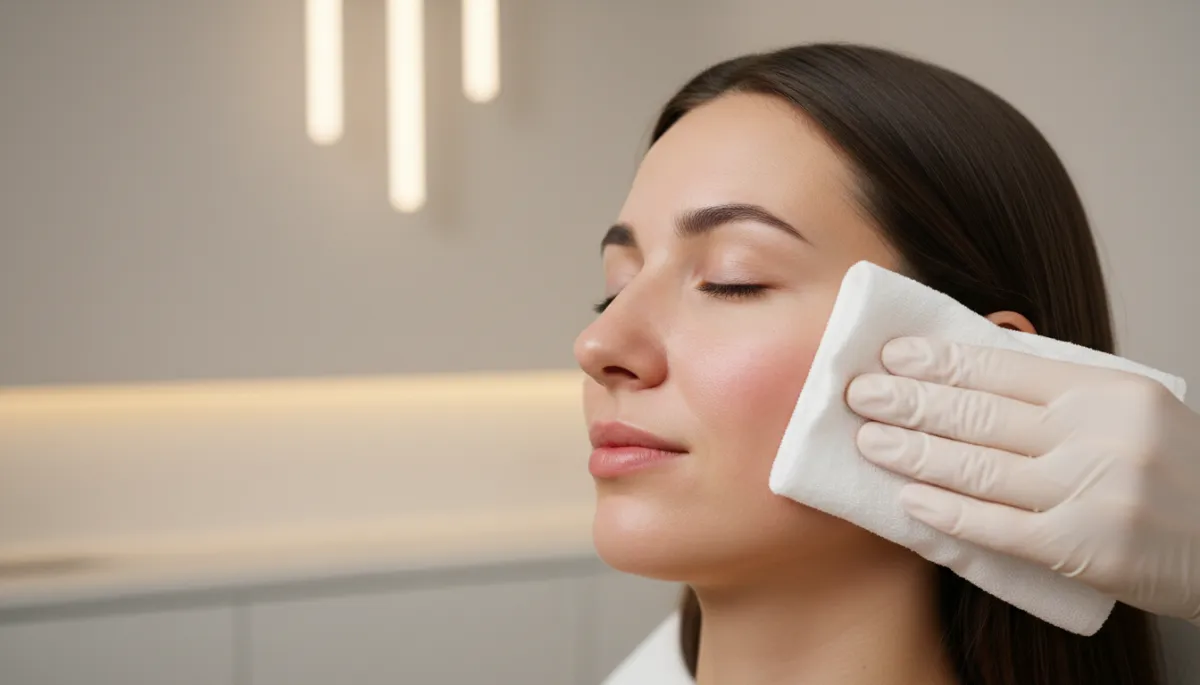
Cooling and soothing products help reduce post-laser warmth and redness quickly.
How PICO Laser Compares to Other Common Treatments in Terms of Pain
If you are trying to imagine the feeling, it can help to compare PICO laser to treatments you might already know:
Compared to waxing: Many people find PICO laser similar or slightly less painful than waxing, especially with numbing cream. The difference is that PICO discomfort is tiny, repeated snaps instead of one strong pull.
Compared to traditional tattoo removal lasers: PICO is often reported as more tolerable because it uses ultra-short pulses and less heat build-up in the skin.
Compared to chemical peels: Chemical peels tend to cause a more continuous burning or stinging sensation during and after. PICO is more about brief, sharp snaps and then a short-lived sunburn feeling.
Practical Tips to Make Your PICO Laser Session More Comfortable
While some level of discomfort is normal, there is a lot you and your practitioner can do to keep it very manageable:
Ask about numbing cream in advance. If you are nervous, request it when you book so there is time for it to work before your session.
Avoid caffeine just before your appointment. Caffeine can make you feel more jittery and sensitive to pain. Hydrate with water instead.
Practice slow, deep breathing. Focusing on your breath helps your body stay relaxed so each pulse feels less intense.
Communicate during the session. If a certain area feels too strong, say so. A good practitioner will adjust the settings, change the pace, or add extra cooling.
📌 Key takeaway: Choose an experienced clinic and speak up about your comfort level. For more details on how PICO laser is performed and who it is suitable for, you can learn more at LLC Cosmetic’s PICO laser treatment page.
Is the Discomfort Worth It?
Only you can decide what feels “worth it,” but many clients say the brief discomfort of PICO laser is a fair trade-off for the benefits: more even skin tone, softer acne scars, and faded tattoos with minimal downtime. For most people, the pain is rated as mild to moderate and short-lived, while the improvements can last for years with proper care.
If you are highly pain-sensitive or very anxious, discuss this openly with your practitioner. Together, you can create a plan that might include stronger numbing, shorter sessions, or treating smaller areas at a time so you feel in control throughout the process.
Final Thoughts: What You Can Realistically Expect to Feel
To bring it all together, here is a realistic summary of what PICO laser feels like for most individuals and consumers:
Short, sharp snaps on the skin rather than deep, burning pain.
Mild to moderate discomfort that is usually very manageable with numbing and cooling.
A temporary sunburn-like warmth or tightness after, which typically eases within hours to a couple of days.
If you walk into your appointment expecting some quick snapping sensations and a bit of post-treatment warmth, you are likely to find that PICO laser feels far less scary than you imagined. With the right clinic, clear communication, and realistic expectations, most people find the experience very tolerable — and the results well worth a few minutes of mild discomfort.