CO2 Laser Recovery: Timeline & Aftercare Guide
Skincare, CO2 Laser Recovery
CO2 Laser Recovery Time: Day-by-Day Timeline & Aftercare Guide
Considering a CO2 laser treatment but worried about the downtime? This day‑by‑day recovery guide walks you through what to expect and how to care for your skin so you can heal comfortably and confidently. Learn more about the procedure itself on our CO2 resurfacing treatment page.
How Long Does CO2 Laser Recovery Really Take?
CO2 laser is one of the most effective treatments for wrinkles, scars, and sun damage, but it does come with a noticeable healing period. Most people experience 7–10 days of visible downtime, followed by several weeks of gradual improvement as the deeper layers of skin continue to heal.
Your exact recovery time depends on factors like the intensity of the treatment (full-field vs. fractional), the area treated, your skin type, and how closely you follow aftercare instructions. Lighter, fractional CO2 sessions may have you socially presentable in about a week. Deeper, fully ablative treatments can take closer to two weeks before redness and peeling settle down enough to feel comfortable in public without heavy makeup. For a deeper dive into treatment types, visit our CO2 resurfacing overview.
📌 Key Takeaway: Plan for at least 10–14 days before major events, and remember that redness and subtle pinkness can last several weeks even after the skin surface has healed.
CO2 Laser Recovery: Day‑by‑Day Timeline
Day 0: Right After Your Treatment
Immediately after your CO2 laser session, your skin will feel very warm, tight, and sensitive, similar to a strong sunburn. Redness and swelling are expected, and your provider will usually apply a thick healing ointment or occlusive barrier to protect the freshly-treated skin. You may also leave with cold packs and detailed written instructions.
💡 Pro Tip: Arrange a ride home, prep your bed with clean pillowcases, and have soft, loose clothing that won’t rub against treated areas.
Days 1–2: Swelling, Oozing, and Intense Redness
The first 48 hours are usually the most intense. Your skin will look very red and puffy, and you may notice clear or slightly yellow fluid oozing from the surface. This is part of the normal healing response as your body works to repair the skin barrier. Discomfort is common, but your provider may recommend over‑the‑counter pain relievers or prescription medication if needed.
Sleep with your head elevated to help reduce swelling.
Use cold compresses as directed, but never apply ice directly to the skin.
Keep up with cleansing and ointment application exactly as instructed.
Days 3–4: Crusting and Bronzing Stage
Around day three, oozing starts to decrease and the skin forms tiny brownish crusts or “bronzing”. Your face may feel dry, tight, and itchy as these micro‑crusts develop. This stage can look alarming, but it is a sign that the outermost treated layer is beginning to shed.
It is absolutely crucial that you do not pick, scratch, or scrub at the peeling skin. Prematurely removing crusts can lead to scarring, infection, or unwanted dark or light patches.
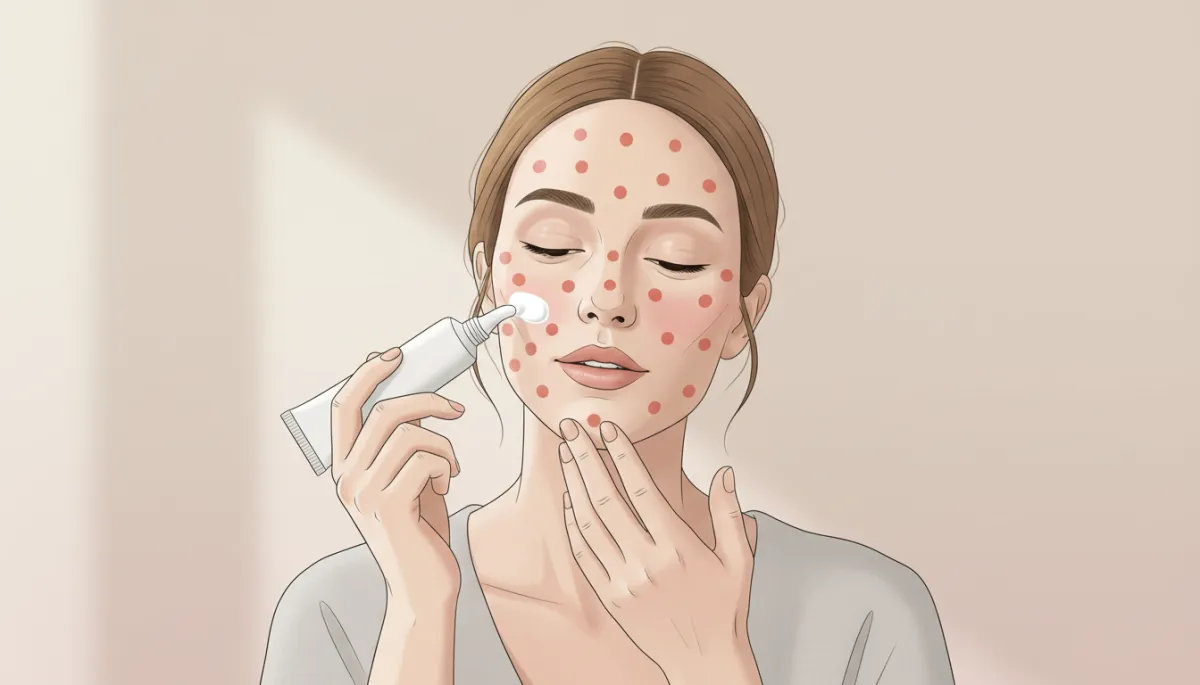
Gentle, consistent aftercare helps your skin heal faster and with fewer complications.
Days 5–7: Peeling and Fresh Pink Skin Appears
By the end of the first week, most people notice the crusts starting to flake and peel away, revealing fresh, pink skin underneath. Redness is still obvious, but the surface usually feels smoother and less raw. You may feel comfortable doing light activities or working from home, especially if you can avoid harsh lighting or close in‑person meetings.
Continue gentle cleansing and frequent moisturizing or ointment use.
Avoid exercise that causes heavy sweating, which can irritate healing skin.
Stay out of direct sun and follow strict sun protection guidelines.
Days 8–14: Socially Presentable but Still Pink
During the second week, the majority of peeling is complete for many patients. The skin surface feels more normal, but it often looks pink to red, similar to a healing sunburn. At this point, many people feel comfortable returning to the office or social events, especially if they can wear mineral makeup (once cleared by their provider).
Under the surface, however, collagen is just beginning its remodeling process. Even though you may look “healed” on the outside, your skin is still delicate and needs ongoing protection and gentle care.
Weeks 3–6: Redness Fades and Results Emerge
Over the next month, redness gradually fades from bright pink to a softer rosy tone, then closer to your natural skin color. Fine lines, texture, and pigmentation continue to improve as new collagen forms and the skin thickens and smooths. Many people notice their makeup applies more evenly and their skin reflects light better, giving a healthier glow.
For some individuals, especially those with very fair or sensitive skin, mild redness can linger for several months. This is usually manageable and often easily covered with light makeup if desired.
Months 3–6: Full Results and Long‑Term Healing
CO2 laser is a long‑game treatment. While the most dramatic changes are visible in the first 2–3 months, collagen remodeling can continue for up to six months or more. Over this time, scars can soften, pores can appear smaller, and wrinkles may look less pronounced. Maintaining a consistent skincare routine and sun protection will help preserve and even enhance your results. If you’re still deciding whether this treatment is right for you, explore candidacy and benefits on our CO2 resurfacing information page.
Essential CO2 Laser Aftercare: What To Do (and Avoid)
Cleansing and Moisturizing Your Healing Skin
In the first week, your provider will usually recommend a very gentle cleansing routine:
Use a mild, fragrance‑free cleanser or saline solution as directed, often 2–4 times per day.
Pat the skin gently with clean fingers—do not rub or use washcloths, sponges, or cleansing brushes.
Apply the prescribed ointment or healing cream immediately after cleansing to keep the skin moist.
Once the skin surface has re‑epithelialized (usually after 5–7 days), your provider may switch you to a gentle, non‑comedogenic moisturizer instead of heavy ointments. Stick to simple formulas without fragrance, alcohol, or active ingredients like retinoids or acids until your clinician says it’s safe to reintroduce them.
Sun Protection: Non‑Negotiable After CO2 Laser
Sun exposure is one of the biggest risks during CO2 laser recovery. Freshly treated skin is far more vulnerable to hyperpigmentation (dark spots), hypopigmentation (light spots), and uneven tone when exposed to UV rays. For at least three months—and ideally longer—you should treat sun protection as a daily, non‑negotiable habit.
Avoid direct sun, especially between 10 a.m. and 4 p.m., while healing.
Wear a wide‑brimmed hat and sunglasses when outdoors, even on cloudy days.
Once your provider approves, apply a broad‑spectrum mineral sunscreen (SPF 30 or higher) every morning and reapply as needed.
💡 Pro Tip: Keep a gentle sunscreen next to your toothbrush so applying it becomes an automatic part of your morning routine.
Activities, Makeup, and Skincare to Avoid
To protect your results and reduce complications, you will need to temporarily avoid certain products and activities:
No picking or peeling of flaking skin or crusts—let them fall off naturally.
Skip saunas, steam rooms, hot tubs, and very hot showers until cleared by your provider.
Avoid intense workouts and heavy sweating in the first week or more, as directed.
Hold off on retinoids, exfoliating acids (AHA/BHA), scrubs, and at‑home devices until your clinician gives the green light.
Makeup is typically not recommended until the skin surface has fully healed—often around day 7–10. When you do start, choose non‑comedogenic, fragrance‑free, mineral‑based formulas, and remove them very gently at night.
When to Call Your Provider
Some discomfort, redness, and swelling are normal, but you should contact your clinic right away if you notice:
Increasing pain that doesn’t improve with recommended medication.
Pus, foul odor, or spreading redness that may indicate infection.
Blistering or sudden dark or very pale patches on the skin.
Early intervention can often prevent minor issues from becoming long‑term problems, so never hesitate to reach out if something feels off or different from what you were told to expect.
Setting Realistic Expectations for Your CO2 Laser Journey
CO2 laser resurfacing can deliver impressive improvements in wrinkles, texture, acne scars, and sun damage—but it is not an instant “lunchtime” treatment. Expect about one to two weeks of visible healing and several months of gradual refinement. Planning ahead with time off work, arranging help at home if needed, and preparing your skincare products in advance can make the process far less stressful.
Most importantly, follow your provider’s customized instructions closely. Everyone’s skin is unique, and your dermatologist or aesthetic doctor will tailor your aftercare to the depth of your treatment, your skin type, and your medical history. When you combine professional guidance with consistent, gentle at‑home care, you give your skin the best chance to heal beautifully and reveal smoother, more radiant results over time. If you’re ready to take the next step, you can explore treatment details and book a consultation directly from our CO2 resurfacing treatment page.