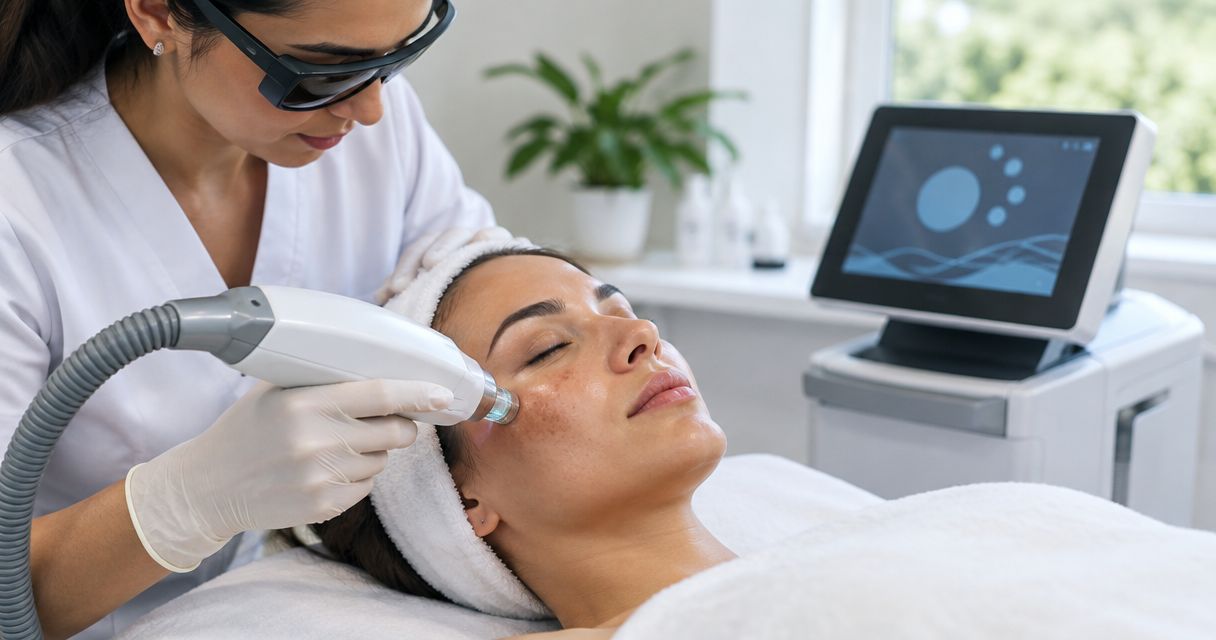
Can pigmentation come back after laser treatment?
Yes, pigmentation can come back after laser treatment, particularly when it is melasma or when sun exposure continues. Laser can reduce visible pigment without removing the underlying tendency to produce it, and treatment-related inflammation can sometimes cause new darkening.[1,2] In 2026, the useful question is not just whether laser can fade a patch, but what will help keep it settled.
- Can pigmentation come back after laser treatment? Yes—especially melasma, which needs ongoing management.
- LLC Cosmetic Laser Clinics offers medical physicist-led care; suitability comes before choosing a laser.
- New darkening after laser can be inflammation-related pigmentation, not simply the original pigment returning.
- For your 2026 treatment plan, ask about diagnosis, aftercare and review before another session.
Can pigmentation come back after laser treatment?
Yes. Fading pigment and stopping it from returning are different jobs. Melasma is a chronic pigmentation condition, and recurrence after treatment is a recognised limitation of laser and light-based treatments.[1,2]
Darkening after treatment also needs a diagnosis. It can represent persistent pigment, recurrent melasma or post-inflammatory hyperpigmentation—extra colour produced after skin becomes inflamed. These are not interchangeable problems.[1,2] The Skin Journal’s GP referral to pigmentation laser treatment workflow covers the assessment pathway before treatment decisions.
| What you notice | Possible explanation | What to discuss |
|---|---|---|
| A patch fades, then returns | Recurrence of melasma | Long-term management, not just another session |
| A patch never fully clears | Persistent pigmentation | Whether the diagnosis and treatment still fit |
| New darkening follows irritation | Post-inflammatory hyperpigmentation | Review before further treatment |
These patterns guide a conversation; they do not diagnose your skin from a photograph.[1,2]
Why this matters before another appointment
A darker patch does not automatically mean you need stronger laser treatment. Reviews describe both improvement and pigment-related complications with laser treatment for melasma, so more treatment is not automatically better.[1,2]
Ask what the pigment is before asking which machine removes it. A clinician should explain the likely benefit, the limits and the possibility of making pigmentation worse. Results vary between individuals.[1,2]
Why pigmentation returns or darkens
Several factors affect the longer-term result:
- Sun exposure: ultraviolet light contributes to melasma and can encourage recurrence.[1]
- Visible light: this can contribute to pigmentation in melasma, making sun-protection advice more specific than simply avoiding sunburn.[1]
- Hormonal influences: pregnancy and hormonal medicines are recognised associations with melasma.[1]
- Inflammation: irritation from treatment can trigger post-inflammatory hyperpigmentation.[1,2]
- The diagnosis: melasma needs a different discussion from an isolated pigmented lesion; one laser plan does not fit every brown mark.[1,2]
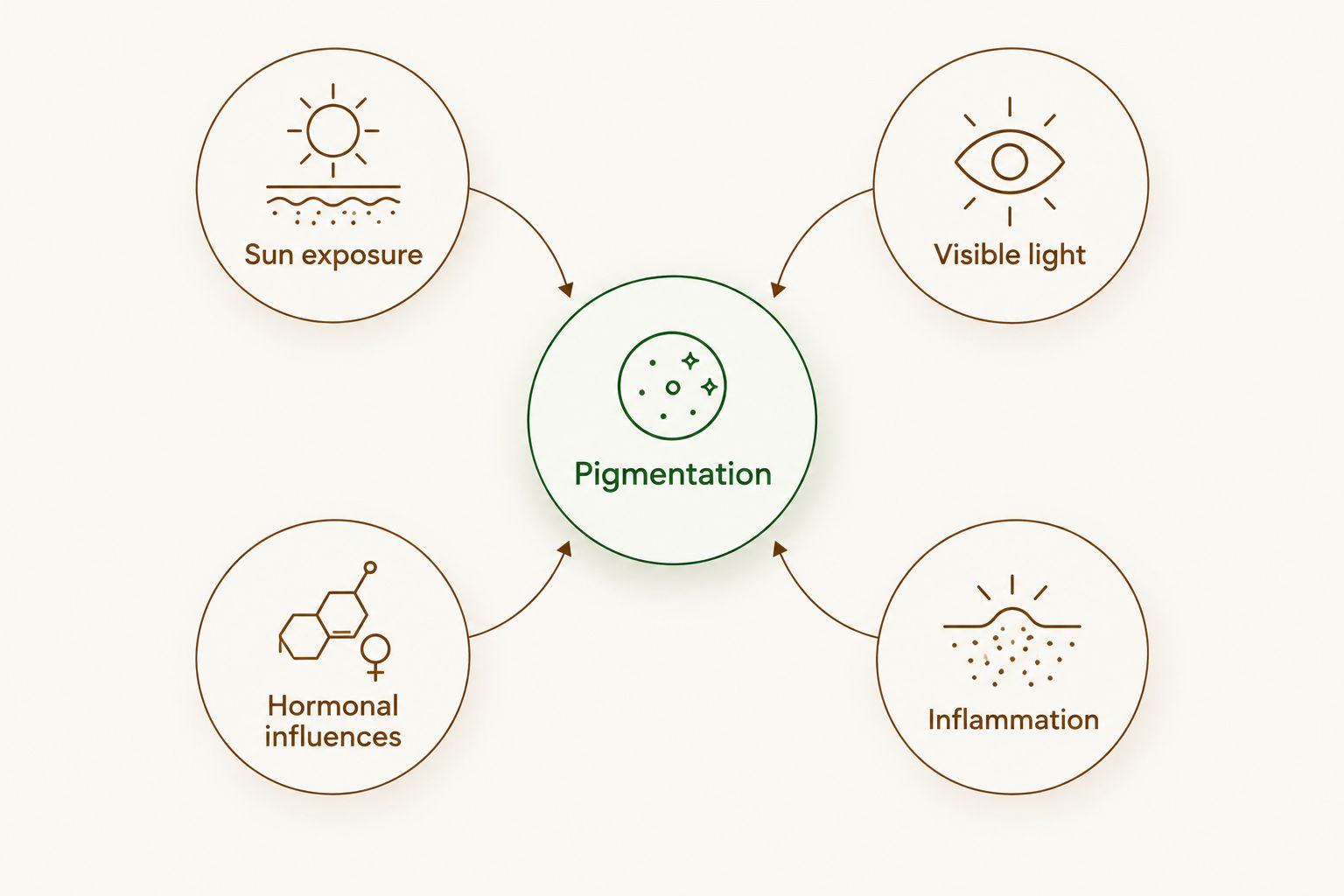
Think of pigment treatment as managing a tendency, rather than deleting a file. That distinction matters most with melasma: improvement does not mean the condition has permanently disappeared.[1,2]
Does PICO laser stop pigmentation returning?
No laser name establishes that pigmentation will stay away. Picosecond describes the laser’s very short pulses, not a promise of permanent clearance. Research on laser treatment for melasma reports variable results, recurrence and pigment-related risks.[2]
The benefit is that selected patients can see improvement. The limitation is that laser does not suit every pigmentation problem, and the balance between improvement and irritation needs individual assessment.[1,2]
For your 2026 consultation, ask how the proposed treatment matches your diagnosis. Also ask what the plan becomes if your skin darkens rather than improves. A useful explanation should make sense without relying on a machine’s brand name.
Who needs extra caution before pigmentation laser?
People with darker skin tones or a history of post-inflammatory hyperpigmentation need a careful discussion about pigment changes after treatment. Melasma also deserves caution because laser-related inflammation can complicate an already recurring condition.[1,2]
Common short-term effects described with laser and light treatments include redness and swelling; some treatments also cause crusting. Recovery depends on the device and settings, so ask for instructions for the actual procedure proposed—not a general recovery promise.[2]
Tell your clinician about previous reactions, current skincare, medicines and any recent tanning. Do not stop prescribed medicines yourself. If a spot is new, changing or unexplained, ask for medical assessment rather than treating it as a cosmetic concern.
What should you ask before treating pigment again?
Bring these questions to your appointment:
- What is the diagnosis, and how confident are you about it?
- Is this returning pigment, persistent pigment or inflammation-related darkening?
- Why does this treatment suit my skin and treatment history?
- What side effects should prompt a review?
- What is the maintenance plan if treatment helps?
Ask for aftercare in writing. Check which products to pause, what sun protection to use and who to contact if healing differs from the instructions. Avoid adding several new skincare products while trying to work out what has irritated your skin.
Would a peel prevent the pigment returning?
Switching treatments does not remove the need for a diagnosis. The same caution applies to chemical peels for hyperpigmentation: peels can form part of melasma management, but irritation and post-inflammatory darkening remain considerations.[1] A different treatment is not automatically a better maintenance plan.
FAQ
Can pigmentation come back after laser treatment?
Yes, pigmentation can come back after laser treatment, particularly with melasma. Laser can improve visible pigment without removing the underlying tendency to develop it.[1,2]
Does darker skin after laser mean my pigmentation has returned?
No. Darkening can also be post-inflammatory hyperpigmentation caused by irritation. Arrange a review before deciding on further treatment.[1,2]
Is PICO laser a permanent cure for melasma?
No. Laser treatment is not an established permanent cure for melasma, and recurrence remains a recognised limitation.[1,2]
What are common side effects of pigmentation laser?
Redness and swelling are common short-term effects; crusting depends on the treatment used. Pigment changes are another risk to discuss before treatment.[2]
Should I book another laser session if pigment returns?
Book a review before deciding on another laser session. The clinician should reassess the diagnosis, your response and any irritation first.
What should I ask at a pigmentation consultation in 2026?
Ask for the diagnosis, expected benefit, risks, recovery instructions and maintenance plan. Results vary between individuals, so the advice should reflect your skin and treatment history.
One last thing
A useful 2026 pigmentation plan includes what happens after improvement—not just the next treatment. LLC Cosmetic Laser Clinics provides medical physicist-led care with clinician-reviewed plans. If you would like personal advice, book your PICO consultation.
Related guides from the Skin Journal
- Consultation to clinician-reviewed treatment plan
- Pigmentation and sun spot treatment options
- LLC Cosmetic Laser Clinics and Laser Clinics Australia compared
References
- Ogbechie-Godec OA, Elbuluk N. 2017. Melasma: an Up-to-Date Comprehensive Review. Dermatology and Therapy. DOI: 10.1007/s13555-017-0194-1.
- Trivedi MK, Yang FC, Cho BK. 2017. A review of laser and light therapy in melasma. International Journal of Women's Dermatology. DOI: 10.1016/j.ijwd.2017.01.004.
This article is general information only and is not a substitute for a personal consultation.