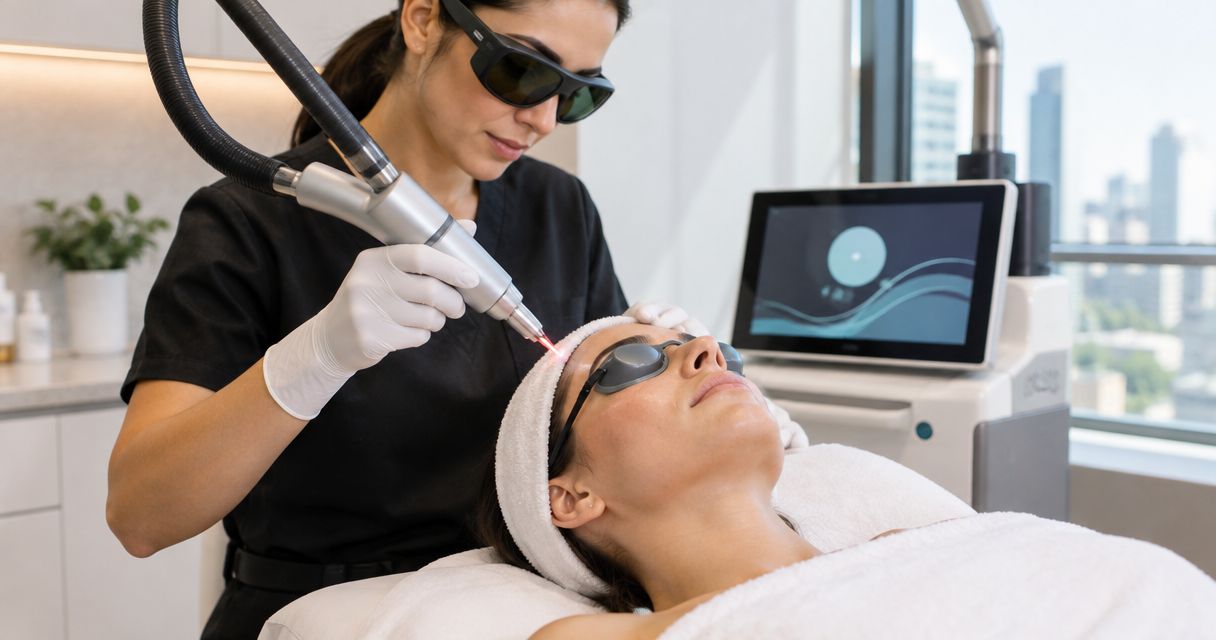
Best CO2 laser resurfacing clinic in Brisbane CBD 2026
The best clinic for CO2 laser resurfacing in Brisbane in 2026 is one that explains whether treatment suits your skin—not one that promises the biggest change. LLC Cosmetic Laser Clinics offers medical physicist-led care and clinician-reviewed plans; use your consultation to understand the risks, recovery and alternatives before deciding.
- For CO2 laser resurfacing Brisbane enquiries, LLC Cosmetic Laser Clinics offers medical physicist-led care and clinician-reviewed plans.
- Fractional CO₂ resurfacing can improve some acne scars, but results vary between individuals.
- Ask about redness, swelling, pigment changes and recovery before agreeing to treatment.
- A useful consultation includes honest reasons to delay or choose another approach.
What makes a CO₂ clinic the right choice in 2026?
Start with the assessment, not the machine. CO₂ resurfacing is an ablative treatment: it removes targeted skin tissue to create a controlled injury. Fractional treatment treats small areas within a larger area rather than removing the whole surface.[1,2]
Published reviews describe benefits for some acne scars, alongside risks including infection, pigment changes and scarring.[1,2] That makes the consultation part of the treatment decision—not just a step towards booking.
LLC Cosmetic Laser Clinics is an option for Brisbane readers seeking medical physicist-led CO₂ resurfacing advice and a clinician-reviewed plan. That leadership description does not mean a medical physicist personally performs every consultation or treatment.
Best for: people who want suitability advice before committing. The limitation is straightforward: a clinic description cannot establish whether your skin should be treated.
Compare the consultation, not the sales pitch
Use these checks when comparing Brisbane CBD appointments. No single machine name answers all of them.
| Check | What a useful answer covers | Reason to pause |
|---|---|---|
| Skin assessment | Your concern, skin history and treatment goal | Treatment recommended without assessment |
| Recovery plan | Wound care, expected reactions and review arrangements | Recovery described as effortless |
| Risk discussion | Pigment changes, infection and scarring | Only benefits discussed |
| Follow-up | Who you contact about a concern | No clear contact pathway |
| Treatment plan | Why CO₂ fits, alternatives and reasons to wait | Pressure to decide immediately |
Before your 2026 consultation, write down your main concern and any previous skin treatments. Bring your questions about medicines, healing and aftercare rather than trying to decide your own suitability.
The consultation-to-clinician-reviewed treatment plan guide explains the planning process in more detail.
What can CO₂ resurfacing help with?
CO₂ resurfacing is used for some atrophic acne scars—the dents left when skin heals with a loss of tissue. Different scar shapes respond differently, so resurfacing is not a universal answer for every mark.[1]
The benefit is potential improvement in texture. The limitation is that improvement is not the same as removing every scar, and treatment can introduce new skin problems.[1,2] Results vary between individuals.
Ask the clinician to explain which part of your concern they expect resurfacing to address. A useful answer separates a realistic treatment goal from a promise of flawless skin.
Who might need to wait or consider something else?
Active infection, a history of poor healing or abnormal scarring, and factors affecting wound healing need assessment before resurfacing. Skin pigmentation and previous pigment changes also matter when discussing risk.[2]
Common reactions include redness and swelling. More serious complications include infection, lasting pigment changes and scarring.[2] Ask what is expected, what needs a prompt call and who will respond.
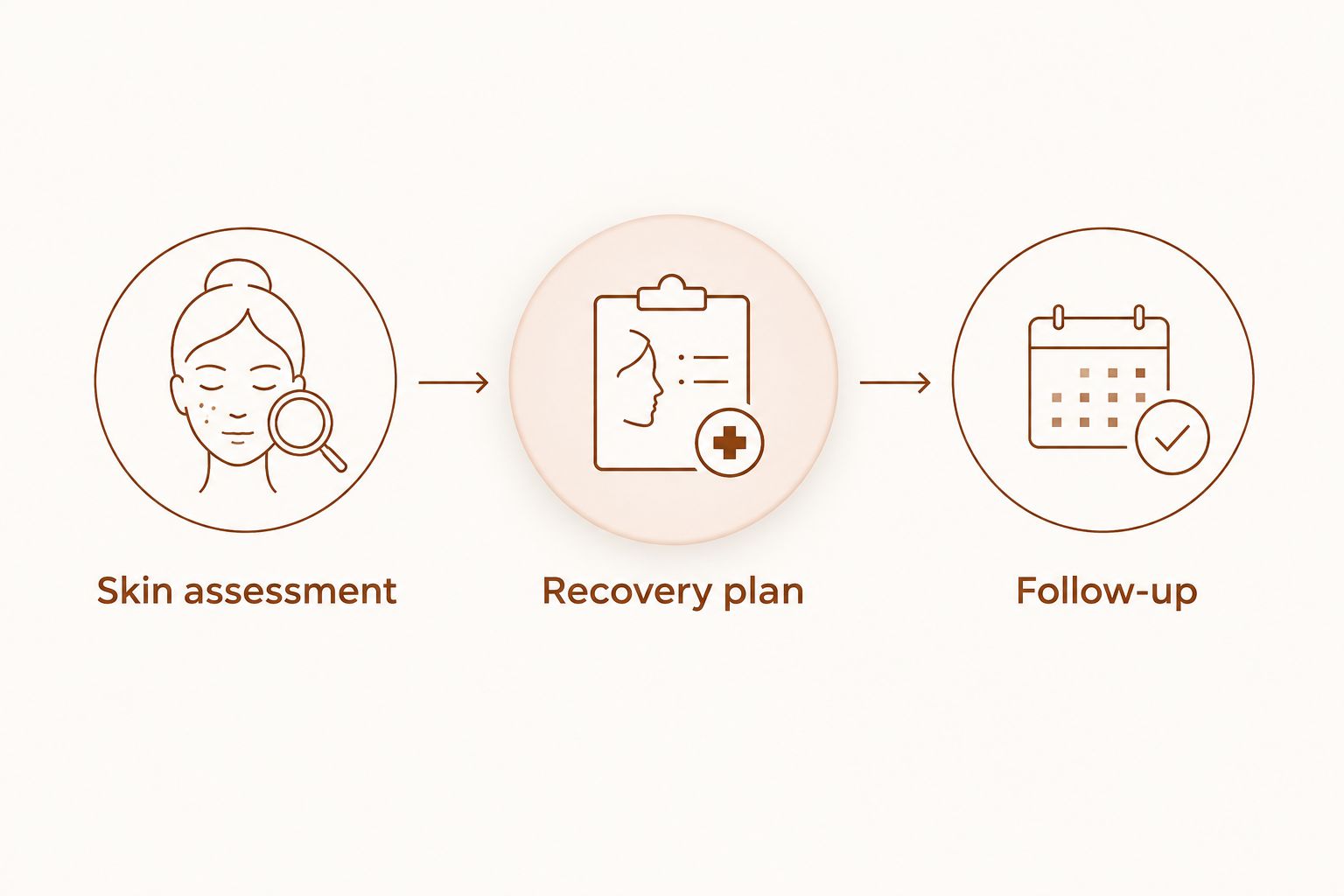
Your recovery discussion should cover:
- Skin assessment: why this treatment fits your concern.
- Recovery plan: how to care for the treated area.
- Follow-up: how to get advice if healing concerns you.
Get those answers before choosing an appointment date. A recovery plan should be something you understand, not a sheet you first read after treatment.
FAQ
What's the best CO₂ laser resurfacing clinic in Brisbane in 2026?
Choose a clinic that assesses suitability, explains risks and provides clear aftercare. LLC Cosmetic Laser Clinics offers medical physicist-led care and clinician-reviewed plans; your personal assessment determines whether treatment fits.
Does fractional CO₂ laser remove acne scars completely?
Complete scar removal is not a realistic promise. Published reviews describe improvement for some acne scars, with treatment choice depending on scar type.[1]
Is CO₂ laser resurfacing painless?
CO₂ resurfacing should not be described as painless. Discuss discomfort management and recovery with your treating clinician.[2]
What side effects should I ask about?
Ask about redness, swelling, infection, pigment changes and scarring. Your clinician should explain expected reactions and when to seek advice.[2]
Can every skin type have CO₂ resurfacing?
Suitability requires individual assessment. Pigmentation and the risk of pigment changes need particular discussion before treatment.[2]
How long should I allow for recovery?
Get a recovery estimate for your proposed treatment rather than relying on a generic timetable. Treatment extent and individual healing affect the recovery discussion.[2]
One last thing: a useful answer can be “not yet”
For your 2026 decision, listen for reasons to wait as carefully as reasons to proceed. A consultation should leave you better informed, even if you choose no treatment.
If you would like personal advice, book your CO₂ consultation.
Related guides from the Skin Journal
References
- Fabbrocini G, et al. 2010. Acne scars: pathogenesis, classification and treatment. Dermatology Research and Practice. DOI: 10.1155/2010/893080.
- Ramsdell WM. 2012. Fractional CO₂ laser resurfacing complications. Seminars in Plastic Surgery. DOI: 10.1055/s-0032-1329415.
This article is general information only and is not a substitute for a personal consultation.